Rédaction Africa Links 24 with H Mohammed
Published on 2024-03-11 09:10:06
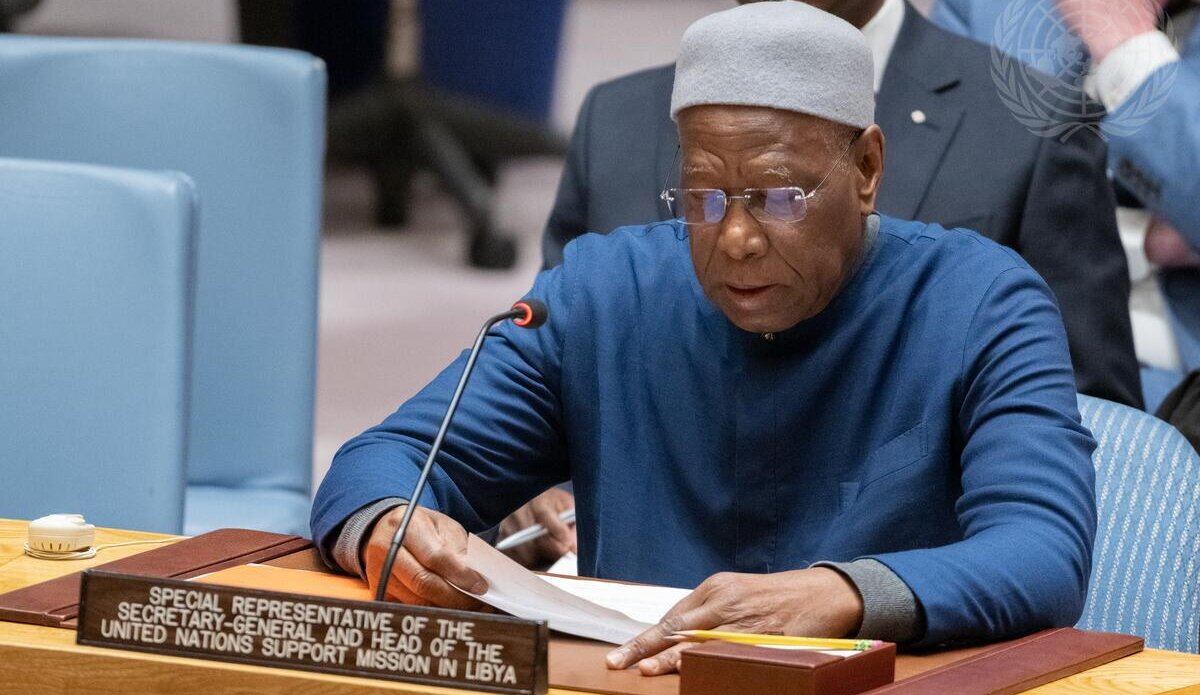
Abdoulaye Bathily, the UN Secretary-General’s Special Representative for Libya, has recently stressed the urgent need for the implementation of electoral laws and the formation of a unified government in order to facilitate the upcoming elections in the country. Bathily met with four members of the High Council of State (HCS) to address the ongoing political deadlock in Libya and underscore the importance of finding a resolution to the current crisis.
In a statement shared on social media, Bathily urged the HCS members to continue working towards consensus within their council, as well as with the House of Representatives and other key political actors in Libya. He emphasized the critical need for the implementation of electoral laws and the establishment of a unified government that can steer Libya towards successful elections in the near future.
Furthermore, during a phone conversation with Aguila Saleh, the speaker of the House of Representatives, Bathily reiterated the importance of prompt action to reach a political compromise in Libya. The failure to hold general elections in December 2021 as initially planned was a setback for the country, as disagreements among Libyan parties over election laws derailed the electoral process.
Since the fall of Muammar Gaddafi’s regime in 2011, Libya has been grappling with the challenges of transitioning to a democratic system amidst ongoing violence and instability. The lack of a functioning government and the proliferation of armed groups have contributed to the country’s political fragmentation and hindered the progress towards establishing a stable and inclusive governance system.
The UN and other international stakeholders have been actively engaged in facilitating dialogue and mediation efforts to support Libya’s transition process. Abdoulaye Bathily’s recent calls for the swift implementation of electoral laws and the formation of a unified government reflect the pressing need to overcome the current political impasse and move towards a more inclusive and sustainable political framework.
As Libya continues to navigate its complex political landscape, the support and engagement of the international community, including the UN and regional partners, will be crucial in helping the country overcome its challenges and pave the way for a peaceful and democratic future. By prioritizing dialogue, consensus-building, and institutional reform, Libya can chart a path towards stability, reconciliation, and democratic governance.
Read the original article on Libya Update