Rédaction Africa Links 24 with H Mohammed
Published on 2024-02-19 11:20:32
The humanitarian organization Médecins Sans Frontières (MSF), also known as Doctors Without Borders, reported on Sunday that more than 80 migrants were rescued, but tragically two died and three remained missing following two sea rescue operations in the Mediterranean off the coast of Libya.
According to MSF, their rescue vessel Geo Barents picked up over 60 people late on Saturday, including unaccompanied children, from a rubber dinghy in distress in international waters off Libya. The organization also recovered one body, and sadly one of the migrants taken on board died shortly after the rescue.
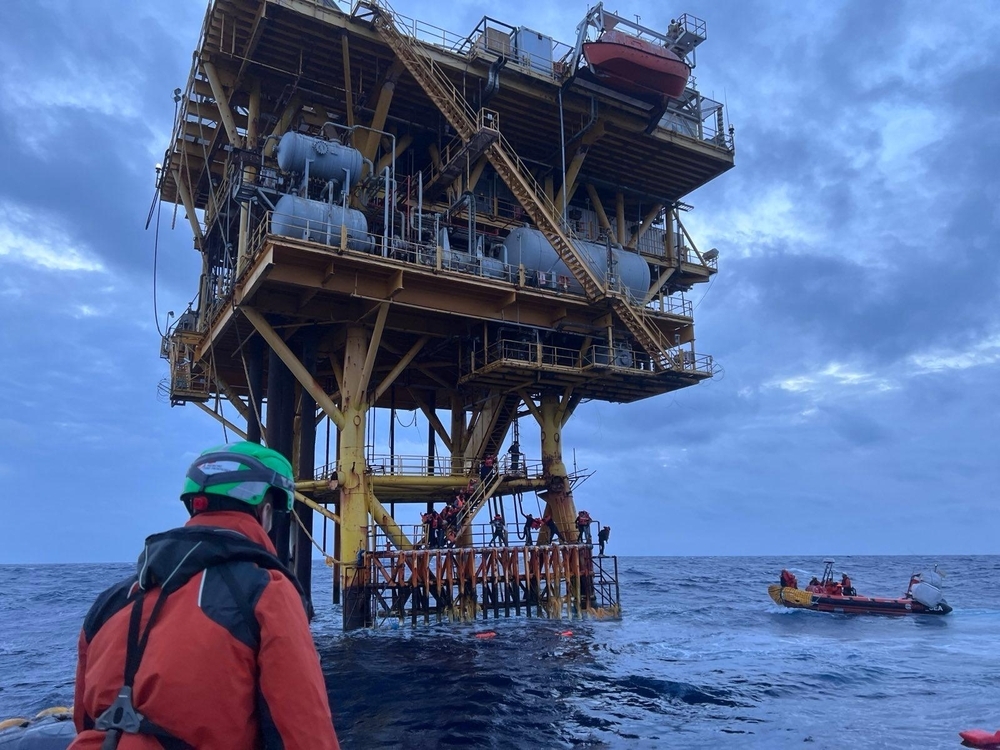
After that, the MSF team received instructions from Italian authorities to coordinate with Tunisian authorities, and the vessel continued to an oil rig where 19 people were found. The survivors on the oil rig reported that their boat had started to take on water, so they swam to the platform in an attempt to find shelter. Unfortunately, three people traveling with them remained on the distressed boat, which drifted away. Regrettably, MSF was unable to locate those three individuals.
MSF stated that the Italian authorities assigned the port city of Bari as the disembarkation location, but the organization requested Italy to assign a closer port, which was met with rejection. MSF expressed concern about the decision, saying, “Instead of providing crucial assistance as soon as possible to dozens of extremely shocked survivors, who witnessed relatives and fellow travelers die or disappear at sea, the Italian authorities are forcing them into unnecessary days of navigation.”
This incident highlights the ongoing challenges faced by migrants attempting to cross the Mediterranean Sea in search of safety and better opportunities. The dangerous journey often leads to tragic outcomes, and the survivors are left traumatized by the loss of loved ones and their own harrowing experiences at sea.
MSF’s efforts to rescue and assist these migrants demonstrate the crucial role that humanitarian organizations play in providing aid, medical care, and support to vulnerable populations. However, the obstacles and delays in finding safe harbor for rescued migrants point to the need for improved coordination and cooperation among governments and agencies to ensure a more timely and effective response to such crises.
As the search continues for the missing individuals and the survivors grapple with the trauma of their ordeal, it is imperative for international cooperation and solidarity to address the root causes of irregular migration and improve the protection of vulnerable migrants. The urgency of this situation cannot be overstated, and the plight of those risking their lives to seek a better future calls for a compassionate and humanitarian response from the global community.
Read the original article on Libya Update