Rédaction Africa Links 24 with Sami Zaptia
Published on 2024-04-13 15:01:16
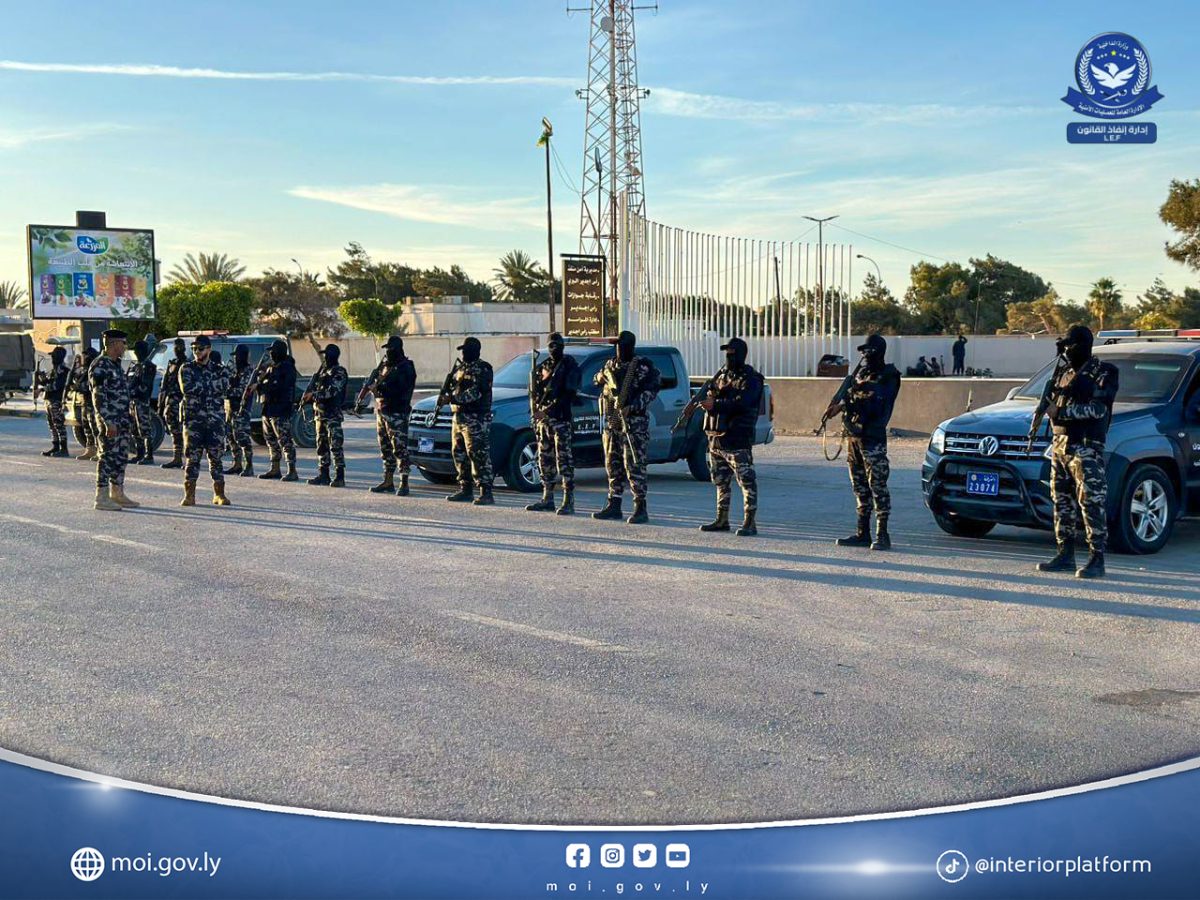
The recent clashes in Tripoli on Thursday were brief but disturbing, causing families with children celebrating Eid to flee for safety as gunfire erupted. The clashes were between pro Support and Stability militias and pro Deterrence Force militias, led by Ghnewa Al-Kikli and Abdel Rauf Kara respectively. Despite the lack of casualties, the media coverage of the clashes had negative international effects, impacting flights, embassies, and travel advice to Libya.
The frequent and spontaneous militia clashes in Libya have been condemned by UNSMIL for endangering civilian safety and undermining security. The weak central government’s inability to control the militias further exacerbates the situation, as they operate with impunity and remain unaccountable. The militias have a stronghold on power in Tripoli and benefit from the government’s need for stability.
The international community’s calls for accountability and elections in Libya are met with skepticism, as the Tripoli government and militias continue to maintain their grip on power. The lack of elections and chronic insecurity in Tripoli are attributed to the political crisis and erosion of institutional legitimacy under the current government of Abd Alhamid Aldabaiba.
UNSMIL stressed the importance of holding elections to establish legitimate governing bodies and uphold the rule of law in Libya. However, the international community’s reluctance to intervene and enforce election processes allows the status quo of instability to persist. Despite the calls for change, those in power in Tripoli and the militias are content with maintaining their positions of influence and wealth at the expense of the ordinary civilians.
The principles of the February 2011 revolution that aimed for democracy and accountability have been overshadowed by the current state of affairs in Tripoli. The lack of progress towards elections and the continued dominance of militias and the unelected government highlight the need for international intervention to push for democratic reforms and stability in Libya.
Read the original article on Libya Herald