Rédaction Africa Links 24 with Sami Zaptia
Published on 2024-03-28 15:37:34
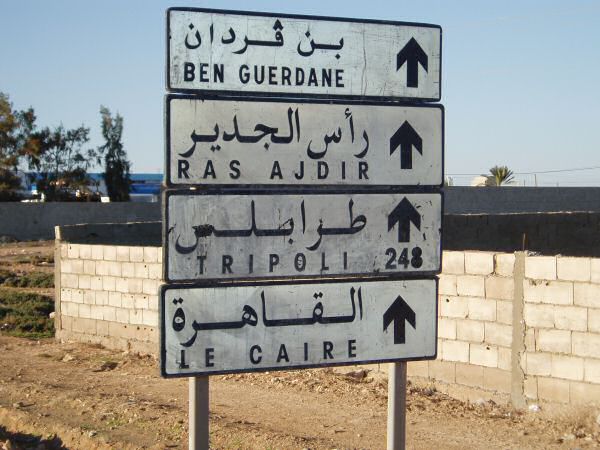
The Tripoli-based government Joint Task Force has successfully regained control over the Ras Jedir Libyan-Tunisian border crossing. This victory was confirmed by several media reports and photographs, indicating that the situation at the border crossing is now stable with the Joint Task Force stationed inside and around the crossing.
The Interior Ministry’s electronic inspection and scanning vehicles, also known as Scanners, remain on the Tunisian side after being handed over to the Tunisians by Interior Ministry forces. This decision was made to avoid bloodshed and gave the Tripoli government time to regroup, prepare an overwhelming force, and apply civilian pressure through elders and ethnic leaders.
Reports indicate that the Joint Task Force is preparing the border crossing for the Ministry of Interior to reopen it, facilitating passenger travel and the flow of goods between Libya and Tunisia. The government, under the leadership of Abd Alhamid Aldabaiba, is handling this victory delicately, avoiding triumphalism to prevent offending the local people from Zuwara and the ethnic Amazigh community.
During a meeting with Assistant Chief of Staff of the Army, Salah Al-Namroush, Aldabaiba emphasized the importance of keeping the work of the Joint Military Force limited to establishing security at the border crossing, away from political and tribal tensions. The role of municipalities and notables was also highlighted in supporting the state’s authority at all border crossings.
The Joint Military Force was formed on March 23 to regain control from local militias after the border crossing was closed by Acting Interior Minister Emad Trabelsi due to clashes between armed groups. The head of the Amazigh Supreme Council of Libya, Al-Hadi Barqiq, expressed appreciation for the national military leadership’s role in maintaining security at the border crossing.
There were concerns about politicizing and ethnicizing the control of the border crossing, but reason prevailed, and the situation was resolved without escalating into an ethnic conflict. The Tripoli government’s main rationale for controlling the border crossing is to combat smuggling activities.
Looking ahead, the Interior Ministry is focused on combating illegal immigration, fuel smuggling, drug trafficking, and supporting security directorates along the Tunisian border to establish security and order in the region. The victory at Ras Jedir could serve as a platform for further state-building success, strengthening the authority and legitimacy of the Tripoli government.
The crossing has a history of smuggling activities, which have grown significantly and now impact Libya’s stability. The government aims to stop or reduce smuggling and gain control of its main border crossing with Tunisia. This victory sends a message to the international community that the Tripoli government is in control and seeks to attract foreign investment and embassies back to Libya.
By regaining control of the border crossing, the Tripoli government has an opportunity to push towards reestablishing the Libyan state’s authority across the country. This achievement could address criticisms of militia control in western Libya and demonstrate the government’s ability to exert control beyond its immediate surroundings.
Read the original article on Libya Herald