Rédaction Africa Links 24 with M Abdo
Published on 2024-03-24 20:10:48
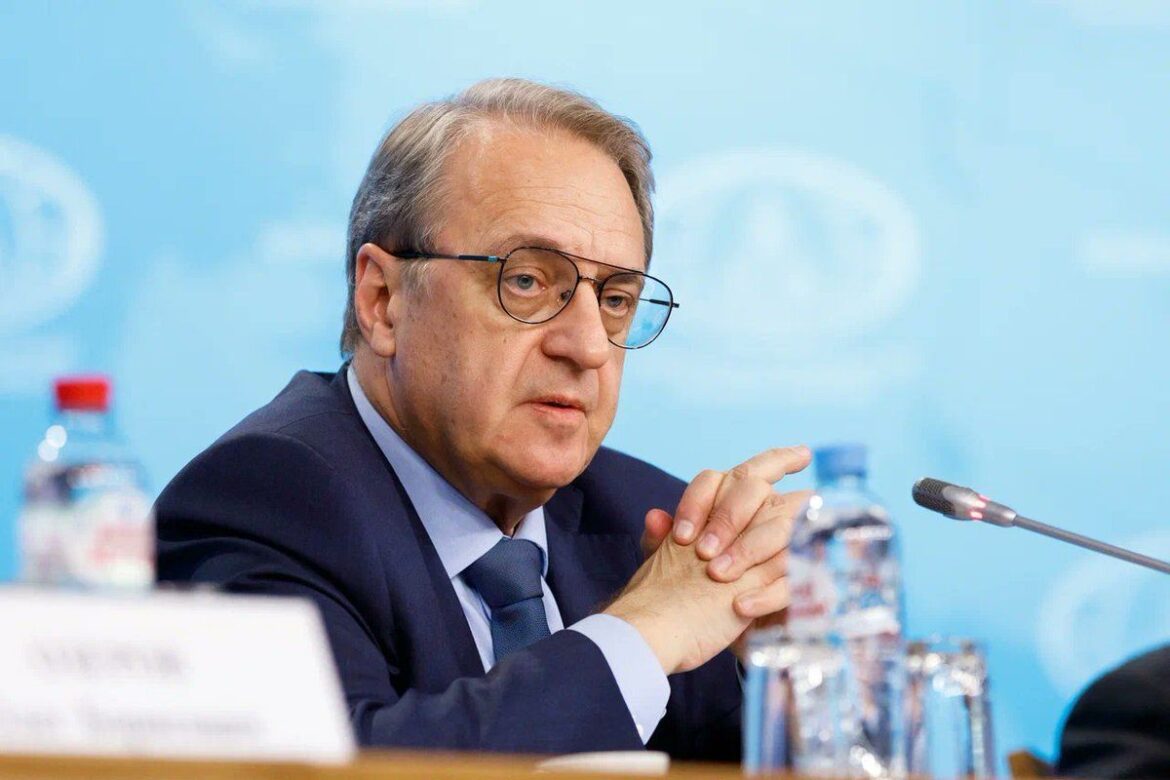
Russian Deputy Foreign Minister Mikhail Bogdanov emphasized the crucial need for comprehensive presidential and parliamentary elections in Libya, involving broad participation from all political factions, including representatives of the former regime. Bogdanov highlighted that conducting these elections is essential to address the deteriorating situation that has plagued Libyans for over 13 years, attributing it to NATO’s unlawful aggression.
Bogdanov underscored the significance of following a constitutional approach to streamline the legislative framework for the electoral process, ensuring coordination between the House of Representatives and the High Council of State. He cautioned against arbitrarily setting dates for the elections, noting the complexity of the process and the necessity for careful handling.
The call for inclusive elections in Libya reflects Russia’s diplomatic efforts to promote stability and democratic governance in the war-torn country. By advocating for the broad participation of all political forces, including former regime representatives, Bogdanov signals a commitment to inclusivity and national reconciliation.
The prolonged conflict in Libya, exacerbated by external interventions and internal divisions, has left the country in a state of turmoil and uncertainty. The absence of a legitimate and unified government has hindered efforts to restore peace and rebuild the nation, necessitating a transparent and inclusive electoral process to chart a path towards stability.
Bogdanov’s emphasis on the importance of conducting comprehensive elections underscores Russia’s belief in the power of democracy to address the root causes of conflict and establish a foundation for sustainable peace. By advocating for a broad-based political transition that accommodates diverse voices and perspectives, Russia seeks to facilitate a process that reflects the will of the Libyan people and paves the way for a more inclusive and representative government.
The reference to NATO’s intervention in Libya as a destabilizing factor highlights Russia’s critical stance towards external interventions that have contributed to the country’s protracted crisis. By framing the situation in Libya as a result of unlawful aggression, Bogdanov signals Russia’s commitment to upholding international law and respecting the sovereignty of nations in conflict zones.
In navigating the complex dynamics of Libya’s political landscape, Bogdanov’s call for caution in setting election dates underscores the need for careful planning and preparation to ensure a credible and transparent electoral process. By highlighting the complexities involved in organizing elections in a fragile post-conflict environment, Bogdanov acknowledges the challenges and pitfalls that must be addressed to avoid further instability.
Overall, Bogdanov’s statements reflect Russia’s commitment to supporting Libya’s transition towards peace and stability through inclusive and transparent elections. By emphasizing the importance of broad participation and constitutional governance, Russia seeks to contribute to the resolution of the Libyan crisis and the establishment of a sustainable political order that reflects the aspirations and interests of the Libyan people.
Read the original article on Libya Update