Rédaction Africa Links 24 with M Abdo
Published on 2024-03-06 12:19:25
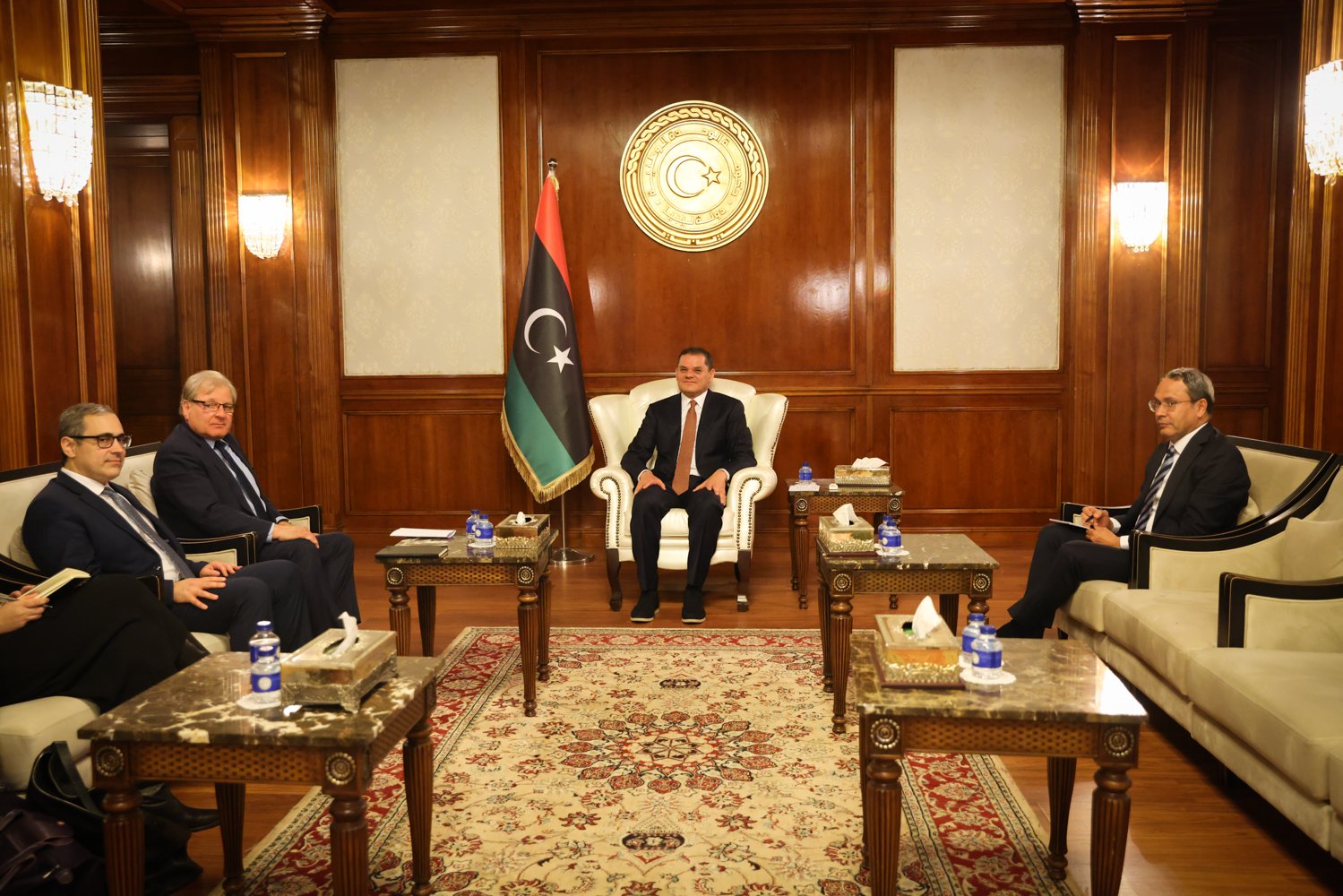
U.S. Special Envoy to Libya Ambassador Richard Norland recently met with outgoing Prime Minister Abdul Hamid Dbeibeh in Tripoli to discuss the serious budgetary and financial issues facing Libyan leaders. The meeting took place during a crucial time for Libya, as the country works towards resolving obstacles to upcoming elections and forming a caretaker government.
During the meeting, Norland emphasized the importance of all Libyan stakeholders engaging constructively with the UNSMIL political process. This involvement is crucial for overcoming the remaining challenges to holding elections and establishing a caretaker government. The United States is committed to supporting Libyan efforts to unify security institutions, protect Libyan sovereignty, and achieve national consensus on economic and budgetary policies that are transparent and sustainable.
Libya has been grappling with economic instability and political turmoil for years, exacerbated by conflicts between rival factions and external interference. The country’s financial situation has been further strained by the impact of the COVID-19 pandemic and fluctuations in global oil prices, upon which Libya heavily relies for its revenue.
In light of these challenges, the United States recognizes the urgency of addressing Libya’s budgetary and financial issues. Norland’s meeting with Dbeibeh underscores the need for Libyan leaders to work together towards a common goal of stability, security, and prosperity for the country. By engaging in the UNSMIL political process and supporting the formation of a caretaker government, Libyan stakeholders can pave the way for free and fair elections that will enable the country to move towards a more democratic and inclusive future.
In addition to political reforms, Norland emphasized the importance of unifying Libya’s security institutions to ensure stability and protect the country’s sovereignty. By establishing a strong and cohesive security apparatus, Libya can better address internal security threats and external challenges, including terrorism, human trafficking, and organized crime.
Furthermore, Norland highlighted the need for national consensus on economic and budgetary policies that are transparent and sustainable. Libya’s economy has been severely impacted by years of conflict and political instability, leading to widespread poverty, unemployment, and lack of basic services for its population. By establishing clear and accountable economic policies, Libya can attract much-needed investment, promote economic growth, and improve the standard of living for its citizens.
Overall, Norland’s meeting with Dbeibeh symbolizes the United States’ commitment to supporting Libya’s transition towards peace, stability, and prosperity. By working together with Libyan leaders and stakeholders, the U.S. hopes to help the country overcome its challenges and build a brighter future for all Libyans.
Read the original article on Libya Update