Rédaction Africa Links 24 with Faraj Abdullah
Published on 2024-03-20 23:35:58
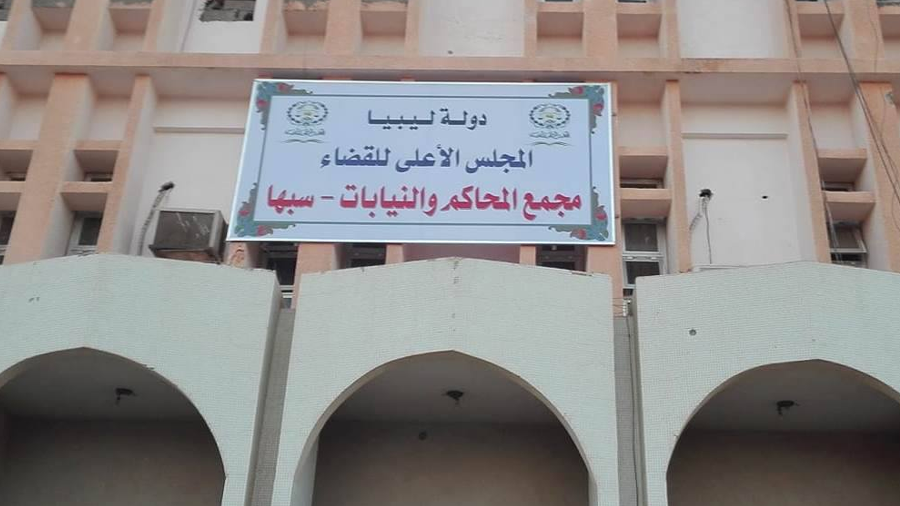
In Libya, a lawyer has taken legal action against the decision made by the Speaker of the House of Representatives, Aguila Saleh, to levy a 27% tax on foreign currency sales in the country. Abdel Hafeez Al-Sanousi, the lawyer representing the plaintiff, has filed an appeal with the Sebha Primary Court, challenging the legality of Saleh’s decision, which was made unilaterally without the consensus of other parliament members.
The court has scheduled a hearing for April 7th to review the case. Al-Sanousi is optimistic about the outcome and expects the judge to rule on the matter in the first session. The urgency of the appeal was emphasized as the Central Bank of Libya has already started implementing Saleh’s decision.
“We are hopeful about the results of the lawsuit and anticipate a ruling to suspend the imposition of the tax by Aguila Saleh,” Al-Sanousi stated.
The decision to impose a tax on foreign currency sales has generated significant controversy in Libya. It has faced opposition from various official bodies, individuals, and the general public, particularly as the country grapples with an economic crisis and escalating prices.
The legal challenge filed by Al-Sanousi represents a significant step in holding Saleh accountable for his unilateral decision. The lawyer’s argument revolves around the lack of consensus among parliament members regarding the tax imposition, highlighting the need for a more inclusive decision-making process.
The court’s decision on April 7th will have important implications for the implementation of the tax and the broader economic situation in Libya. If the judge rules in favor of suspending Saleh’s decision, it could provide relief to businesses and individuals affected by the tax burden on foreign currency sales.
In the midst of economic challenges, the legal battle over the tax highlights the importance of transparency and accountability in governance. It underscores the need for decision-makers to consult with relevant stakeholders and consider the broader impact of their policies on the population.
As the legal process unfolds, stakeholders in Libya will be closely monitoring the developments and awaiting the court’s decision on the matter. The outcome of the case will not only impact the tax on foreign currency sales but also set a precedent for future legislative decisions made by the Speaker of the House of Representatives.
Overall, the legal challenge against the tax imposition reflects a broader effort to ensure fair and transparent governance in Libya, particularly in times of economic distress. By seeking legal recourse, Al-Sanousi and his client are advocating for accountability and the protection of citizens’ rights in the face of unilateral decisions that impact the country’s economy.
Read the original article on Libya Update