Rédaction Africa Links 24 with M Abdo
Published on 2024-04-13 12:30:38
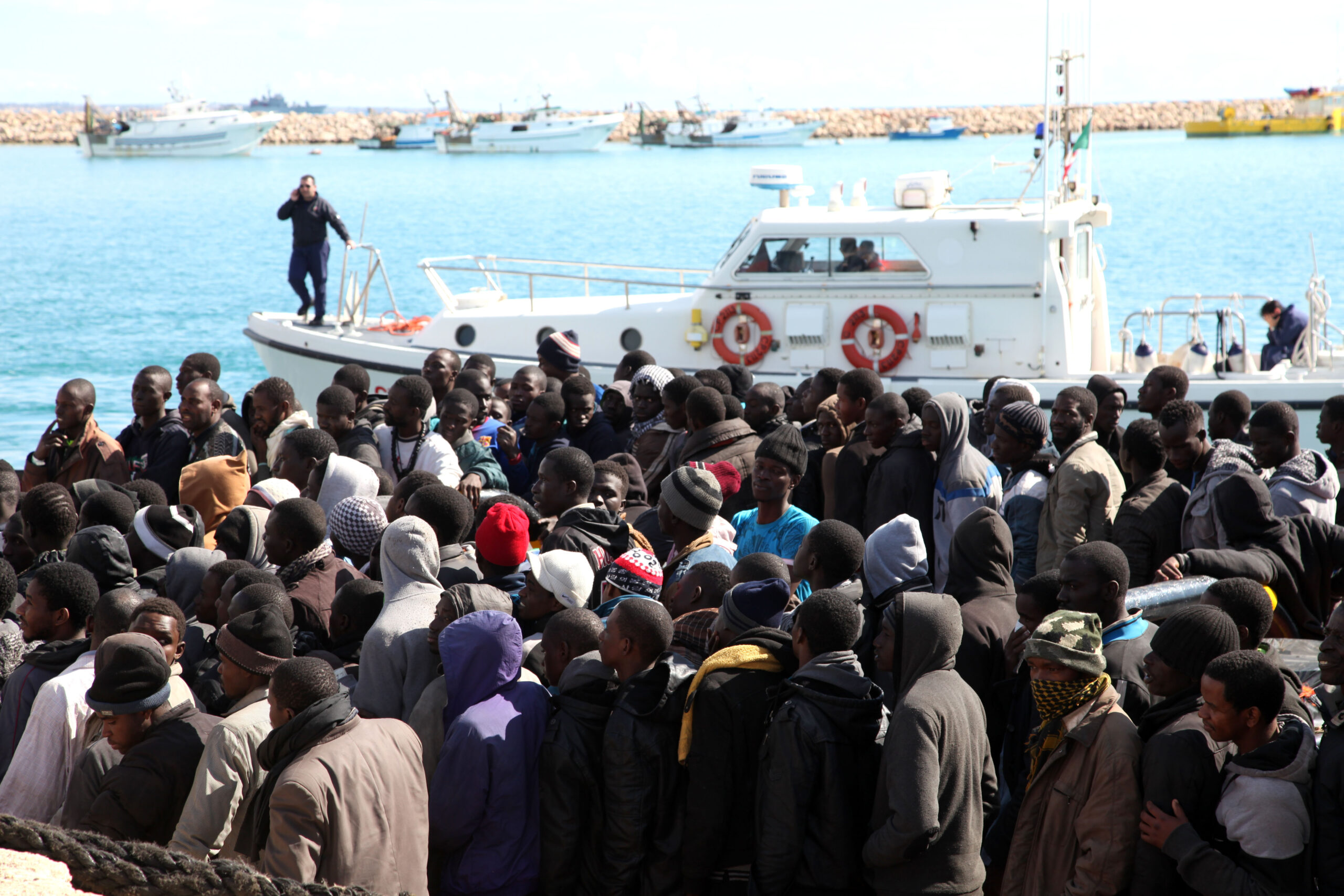
Italy has seen a significant influx of irregular migrants over the past year, with a total of 157,551 individuals arriving through various migration routes across the Mediterranean. Among these migrants, 51,986 came from Libya, as reported by Italian security sources.
Compared to the previous year, the number of migrants arriving in Italy has increased by approximately 50%. The peak in arrivals was recorded in August 2023, with a staggering 25,673 immigrants reaching the country, according to a report from the AKI Agency.
The Tunisian migration route emerged as the most prominent, with a total of 97,667 individuals making the journey to Italy through this pathway. Following closely behind was the Libyan route, which brought 51,986 migrants into the country. Additionally, there were smaller numbers of migrants arriving from Turkey (7,153), Algeria (620), and Lebanon (214).
The rise in migrant arrivals poses various challenges for Italy, from managing the influx of people to addressing the humanitarian needs of those seeking refuge. The Italian government and related agencies have been working to address these issues and provide necessary support to migrants arriving in the country.
The complex nature of migration routes across the Mediterranean highlights the need for coordinated efforts at both national and international levels. Italy, along with other countries in the region, faces the task of managing migration flows while upholding humanitarian principles and ensuring the safety and well-being of migrants.
Efforts to address the root causes of migration, such as conflict, poverty, and political instability, are essential in reducing the need for individuals to embark on dangerous journeys in search of safety and opportunity. By investing in development initiatives, promoting peace and stability, and fostering cooperation among countries, long-term solutions to the migration crisis can be pursued.
In the meantime, Italy continues to grapple with the immediate challenges posed by the arrival of irregular migrants. Ensuring access to basic services, such as shelter, food, and healthcare, is crucial in meeting the needs of new arrivals. Additionally, legal frameworks for processing asylum claims and providing protection to those in need must be robust and efficient.
International cooperation plays a key role in addressing the complexities of migration, from enhancing border management to facilitating the safe and orderly movement of people. By working together, countries can develop sustainable solutions that benefit both migrants and host communities, fostering understanding, solidarity, and shared responsibility.
As Italy navigates the implications of the recent surge in migrant arrivals, it underscores the importance of comprehensive and compassionate responses to the challenges of migration. By upholding human rights, promoting dignity, and fostering cooperation, Italy and its partners can work towards a more sustainable and humane approach to migration management.
Read the original article on Libya Update