Rédaction Africa Links 24 with H Mohammed
Published on 2024-02-26 08:23:26
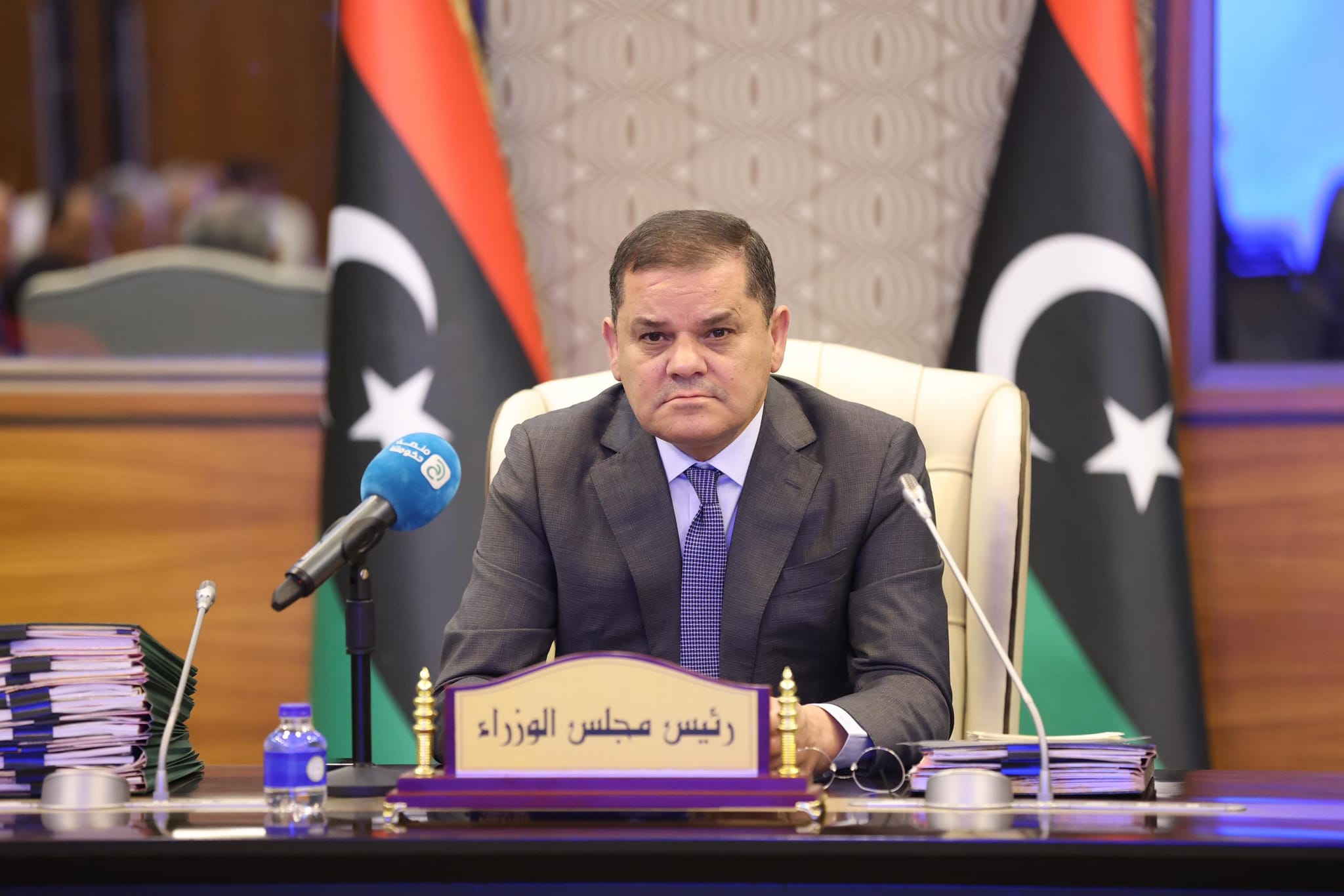
The Government of National Unity in Libya has recently made a decision to revise the salaries of the Petroleum Facilities Guard. This decision, approved by Prime Minister Abdul Hamid Dbeibeh, aligns the Guard’s salaries with the salary plan provided for security employees in the country. The Guard, responsible for securing oil and gas facilities in Libya, had previously threatened to close all fields, valves, and pipelines due to their dissatisfaction with the government’s response to their demands.
In their demands, the Guard requested that they be administratively and financially subordinate to the National Oil Corporation (NOC). Additionally, they requested an increase of 67 percent in their salaries. The approval of these demands by Prime Minister Dbeibeh indicates a step towards resolving the grievances of the Petroleum Facilities Guard.
The decision to revise the salaries of the Guard is crucial for maintaining the security and stability of Libya’s oil and gas industry. The Guard plays a vital role in safeguarding the country’s valuable resources and ensuring the smooth operation of production facilities. By acknowledging their demands and providing a fair and competitive salary structure, the government aims to strengthen the Guard’s commitment and dedication to their duties.
The alignment of the Guard’s salaries with the national security employee salary plan is a significant development in recognizing the importance of their role in Libya’s economy. It demonstrates the government’s commitment to prioritizing the well-being and satisfaction of security personnel responsible for protecting critical infrastructure.
Prime Minister Dbeibeh’s approval of the salary revision reflects a willingness to engage with the concerns of the Petroleum Facilities Guard and address their grievances in a timely manner. By taking proactive steps to meet their demands, the government aims to prevent disruptions to oil and gas operations and uphold the stability of the sector.
The decision to revise salaries also highlights the government’s recognition of the Guard’s contributions to the security of Libya’s oil and gas assets. Their role in safeguarding these resources is essential for the country’s economic prosperity and overall stability. Ensuring that Guard members are fairly compensated for their efforts is crucial for motivating and retaining skilled personnel in this critical sector.
Moving forward, the implementation of the revised salary plan for the Petroleum Facilities Guard will likely result in improved morale, increased efficiency, and enhanced security within Libya’s oil and gas industry. By addressing the concerns of security personnel and prioritizing their well-being, the government aims to create a conducive working environment that supports the sustainable development of the sector.
In conclusion, the decision to revise the salaries of the Petroleum Facilities Guard in Libya represents a positive step towards addressing the demands of security personnel and enhancing the stability of the country’s oil and gas industry. Through this important development, the government demonstrates its commitment to supporting the vital work of the Guard and ensuring the security of Libya’s valuable resources.
Read the original article on Libya Update


