Rédaction Africa Links 24 with H Mohammed
Published on 2024-03-10 11:57:45
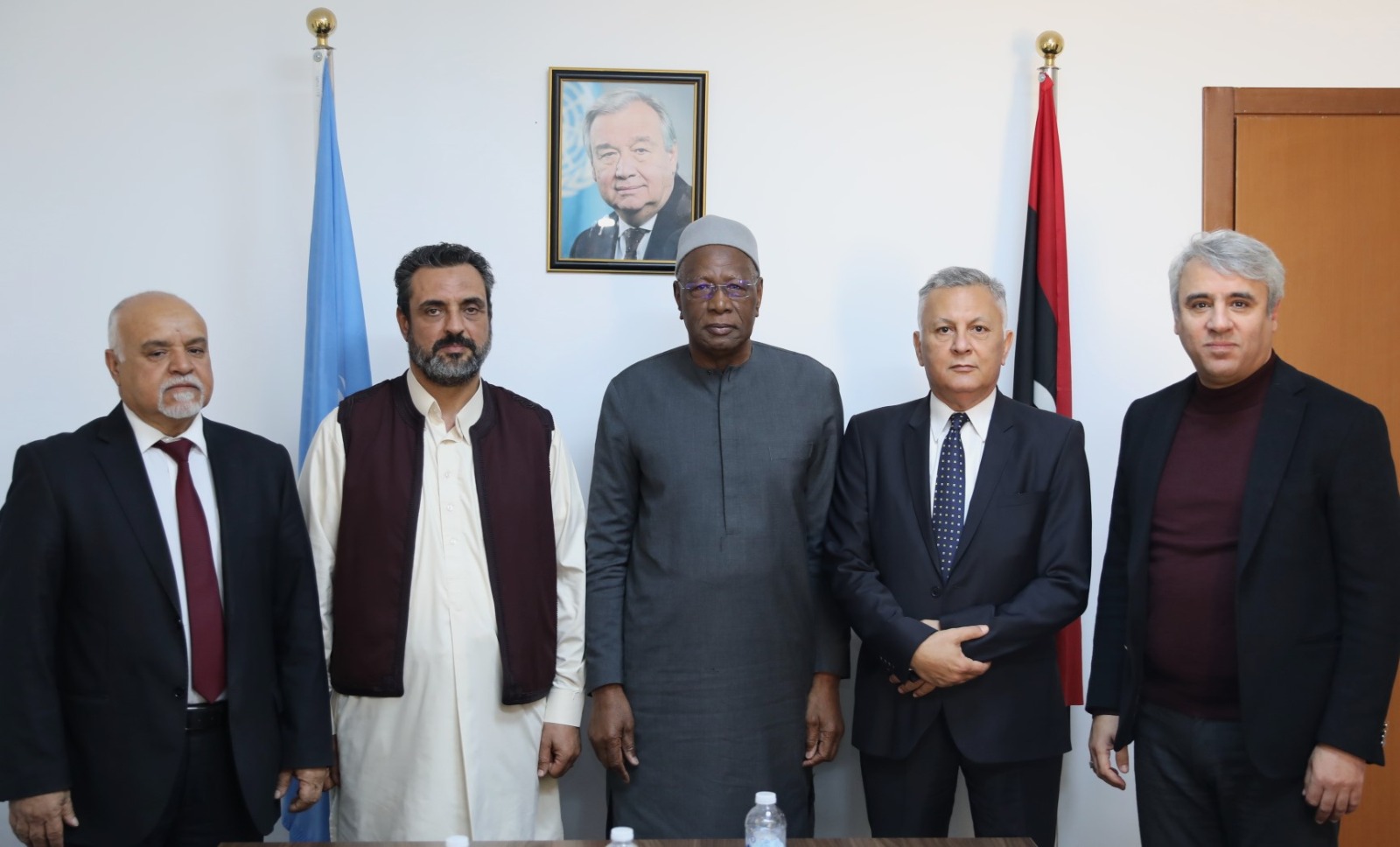
The United Nations Special Envoy to Libya, Abdoulaye Bathily, recently met with several members of the High Council of State to discuss the ongoing political stalemate in the country and possible solutions to move forward. During the meeting, Bathily engaged in conversations with Adel Karmous, Waheed Burshan, Salah Mito, and Nazar Kaawan to address the current challenges facing Libya’s political landscape.
In a statement released by the UN diplomat via a link to a social media post, Bathily highlighted the pressing need to address the political deadlock in Libya. He emphasized the importance of seeking consensus among various political factions, including the High Council of State, the House of Representatives, as well as other key actors in the country. Bathily encouraged his counterparts to work towards implementing electoral laws and forming a unified government to pave the way for upcoming elections in Libya.
The discussions with the members of the High Council of State underscored the complex nature of Libya’s political environment. The country has been plagued by instability and conflict since the ousting of Muammar Gaddafi in 2011. In the absence of a stable government, various armed groups and political factions have vied for power, leading to ongoing violence and humanitarian crises.
Bathily’s efforts to facilitate dialogue and consensus-building among Libyan political stakeholders are crucial in overcoming the current impasse. By engaging with key actors and promoting inclusive decision-making processes, the Special Envoy aims to create a conducive environment for the peaceful transition of power and the establishment of a legitimate government in Libya.
The significance of forming a unified government and implementing electoral laws cannot be understated. These steps are essential in ensuring a smooth transition to a democratic system and in building the necessary institutions for effective governance. With the support and cooperation of all parties involved, including the High Council of State and the House of Representatives, Libya can work towards holding free and fair elections to determine its future leadership.
As Libya continues to navigate its political challenges, the role of international organizations such as the United Nations remains pivotal. The UN Special Envoy’s efforts to broker dialogue and foster cooperation among Libyan stakeholders are crucial in supporting the country’s transition to a stable and democratic state. By working together towards common goals and addressing the root causes of conflict, Libya can chart a path towards peace, stability, and prosperity for its people.
Read the original article on Libya Update