Rédaction Africa Links 24 with H Mohammed
Published on 2024-02-29 21:43:46
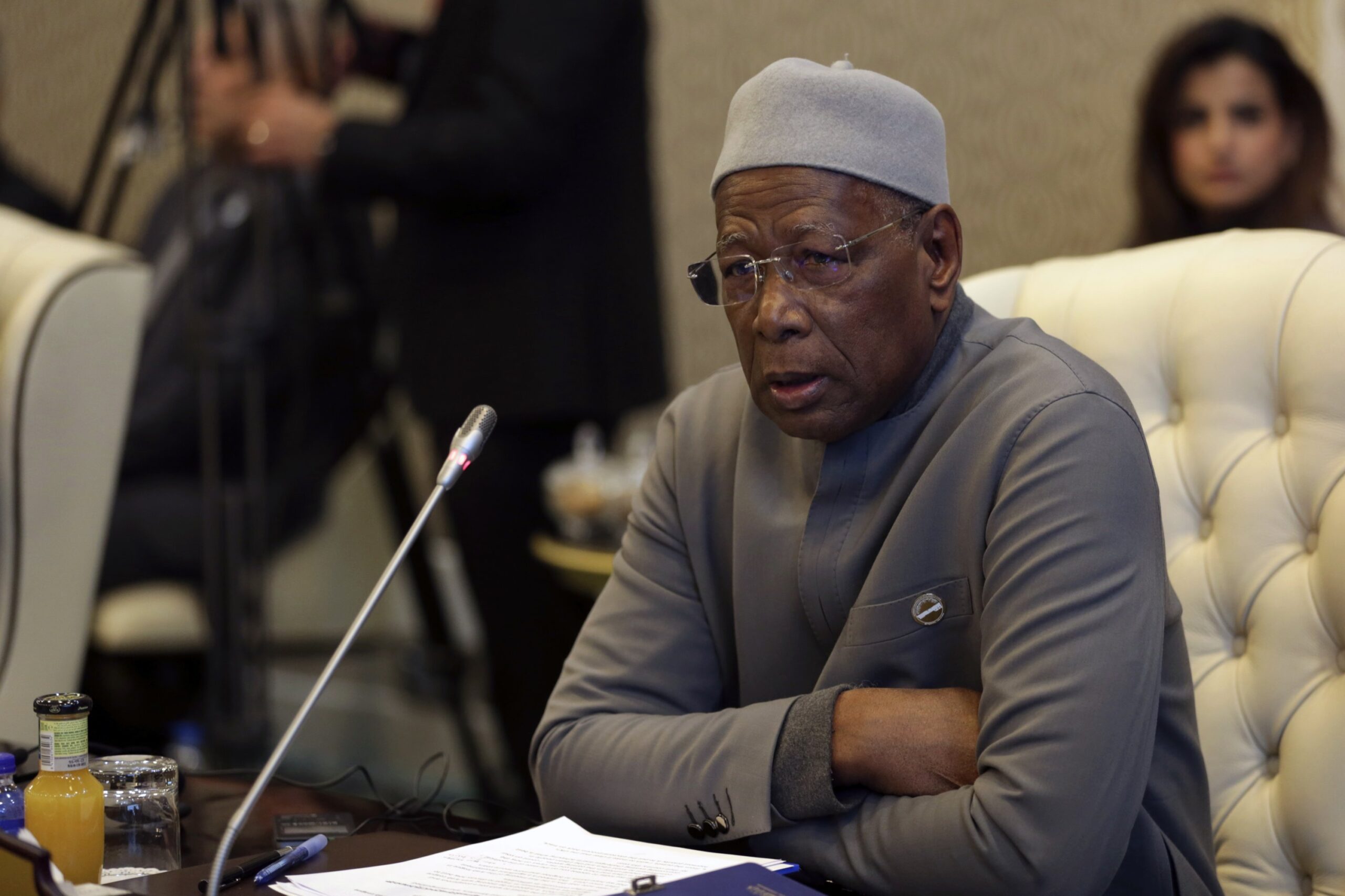
The UN Special Envoy to Libya, Abdoulaye Bathily, has expressed his support for the recent meeting between the House of Representatives and High Council of State in Tunisia. While he acknowledges the progress made during the two-day gathering where over 100 members of both chambers participated, Bathily emphasizes that the outcome of these talks should not be seen as a replacement for a more inclusive dialogue involving all Libyan stakeholders.
The lawmakers involved in the meeting reached an agreement on the formation of a new unity government that will be responsible for overseeing national elections in accordance with recently passed electoral laws developed by the joint 6+6 committee. This development was confirmed in a statement released by the House of Representatives following the conclusion of the meeting.
In a letter addressed to the House of Representatives and High Council of State, Bathily cautioned against the potential negative repercussions of reaching a unilateral agreement to establish a new government without the involvement and cooperation of other Libyan parties. He stressed the importance of addressing all underlying issues that led to the failure of conducting presidential and parliamentary elections in Libya in 2021, as originally outlined in the UN peace plan.
Bathily expressed his concerns about the prolonged period of political instability in Libya, stating, “Libya and its people have lost so much time. The more you and other parties insist on remaining in power, the closer Libya becomes to the edge of dangerous collapse.” His remarks underscore the urgent need for all parties to prioritize the interests of the Libyan people and work towards achieving sustainable peace and stability in the country.
The meeting in Tunisia marks a significant step towards advancing the political transition process in Libya. However, it is crucial for the House of Representatives and High Council of State to ensure that their decisions are inclusive and transparent, taking into account the perspectives and concerns of all Libyan stakeholders. The success of the transition process will depend on the ability of the government to gain the trust and support of the Libyan people through genuine dialogue and inclusive decision-making processes.
As the UN Special Envoy continues to monitor the developments in Libya, he remains committed to facilitating constructive dialogue and cooperation among all parties involved. The road to peace and stability in Libya will require the collective efforts and commitment of all stakeholders, including the House of Representatives, High Council of State, and other relevant actors in the country. Only through a united and inclusive approach can Libya overcome its current challenges and build a sustainable future for its people.
Read the original article on Libya Update