Rédaction Africa Links 24 with Sami Zaptia
Published on 2024-03-26 14:10:49
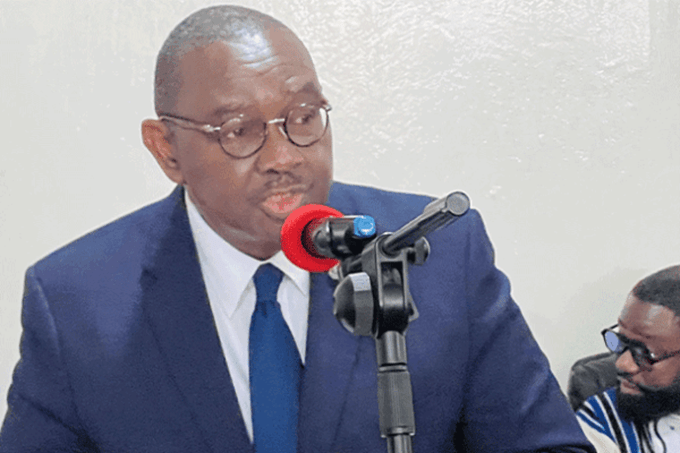
In a recent development that has stirred controversy within Libyan government circles, Attorney General Sideeg Al-Sour issued a letter directing Farhat Bengdara, the chairman of the National Oil Corporation (NOC), to halt any proceedings related to the settlement of Libya’s debts abroad. The directive was in response to a letter from Saddek El-Kaber, the Governor of the Central Bank of Libya (CBL), urging the NOC to pause its debt payment activities.
According to the Attorney General, the NOC is required to suspend all payments until a new mechanism is established in line with the guidelines outlined in a document titled “Road Map, Preliminary Phase for a Comprehensive Solution.” This decision has raised concerns about the transparency and accountability of Libya’s financial dealings, particularly in relation to overseas debts, including those owed to Tunisia.
The practice of using the NOC as a vehicle for debt repayment has been considered advantageous due to the corporation’s ability to receive payment for oil exports in hard currency. By bypassing the traditional channels of the CBL, which can be cumbersome and bureaucratic, this method offers a more streamlined approach to settling financial obligations. However, there are fears that this process could potentially be exploited to evade scrutiny from the Audit Bureau and other oversight bodies.
Moreover, the timing of this directive is particularly sensitive, given the ongoing power struggle between the Tripoli-based government and the CBL over budgetary control. With tensions running high over the management of state finances and concerns about overspending, the decision to suspend debt repayments through the NOC could be construed as a deliberate attempt to circumvent the fiscal constraints imposed by the CBL.
The Attorney General’s intervention highlights the complex nature of Libya’s financial governance and the challenges associated with ensuring accountability and transparency in the management of public funds. The country’s fragile political landscape, marked by competing power centers and rival factions, further complicates efforts to establish effective mechanisms for fiscal oversight and control.
As Libya grapples with the aftermath of years of conflict and instability, the need for robust financial management practices has never been more urgent. The decision to suspend debt repayments through the NOC underscores the critical importance of implementing transparent and accountable processes to safeguard the country’s economic interests and prevent abuse of power.
In conclusion, the Attorney General’s directive to halt debt repayment activities through the NOC reflects broader concerns about governance and accountability in Libya. By raising questions about the transparency and legality of financial transactions, this development underscores the imperative of establishing robust mechanisms for fiscal oversight and control in order to promote sustainable economic development and safeguard the country’s financial stability.
Read the original article on Libya Herald