Rédaction Africa Links 24 with M Abdo
Published on 2024-02-28 09:36:41
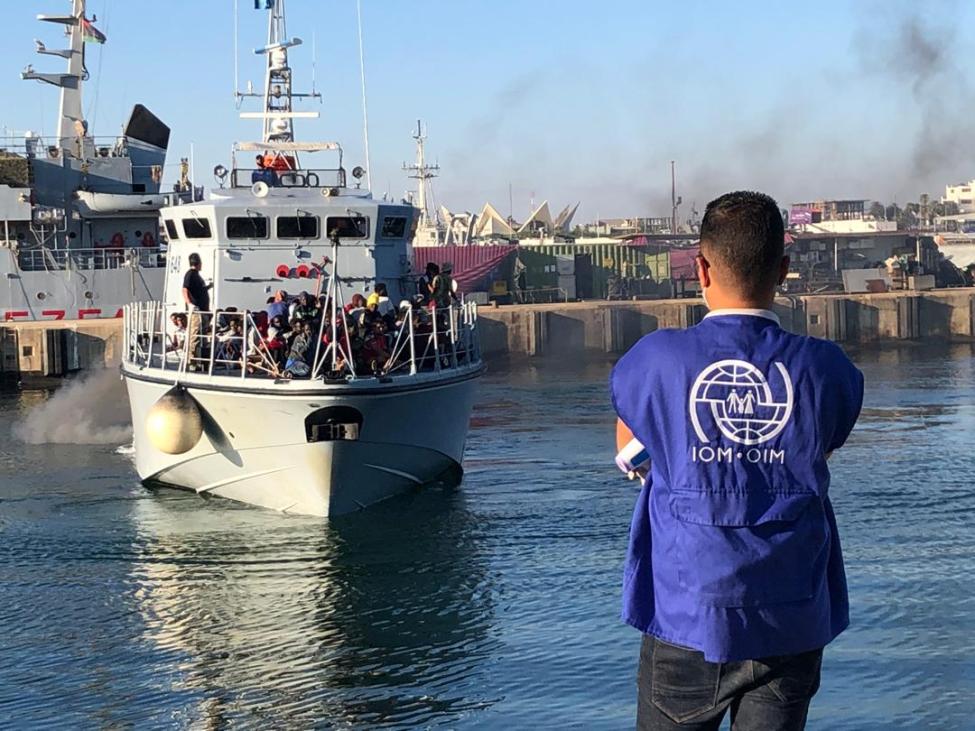
The International Organization for Migration (IOM) announced on Tuesday that 316 migrants were intercepted off the coast of Libya last week. The organization stated that between February 18 and 24, 2024, these individuals were stopped and returned to Libya. This ongoing trend shows the continued challenges faced by migrants attempting dangerous journeys in search of better opportunities.
According to the IOM, a total of 1,394 migrants have been intercepted and sent back to Libya so far in 2024. This highlights the persistent issue of irregular migration and the risks involved in crossing the Mediterranean Sea. Migrants often face perilous conditions, including overcrowded and unseaworthy vessels, lack of food and water, and exploitation by human traffickers.
The interception and return of migrants to Libya raise concerns about the treatment of these individuals once they are back in the country. Libya has been plagued by political instability, conflict, and human rights abuses in recent years, making it a dangerous and unstable environment for migrants. Reports of migrants being detained in overcrowded and unsanitary detention centers, as well as facing violence and abuse, are widespread.
The IOM, along with other international organizations and humanitarian agencies, has been working to provide assistance to migrants in Libya. This includes providing basic necessities such as food, water, and shelter, as well as medical care and psychosocial support. However, the challenges are vast, and the needs are overwhelming.
One of the key issues facing migrants in Libya is access to protection and legal assistance. Many migrants are in need of international protection due to the risks they face in their home countries, such as persecution, conflict, or human rights violations. However, the legal frameworks in Libya are inadequate, and there are limited avenues for migrants to seek asylum or refugee status.
Furthermore, the situation in Libya is complicated by the presence of armed groups, militias, and criminal networks that often exploit and abuse migrants for financial gain. Many migrants fall victim to human trafficking, forced labor, and other forms of exploitation, further exacerbating their vulnerability.
The IOM and its partners are calling for increased efforts to address the root causes of migration, including poverty, conflict, and lack of opportunities in migrants’ countries of origin. They are also advocating for better protection mechanisms for migrants along their journey and in their countries of destination.
In conclusion, the interception and return of migrants to Libya highlight the ongoing challenges faced by individuals seeking a better life through irregular migration. The situation in Libya is complex and dangerous, and migrants are often exposed to risks and vulnerabilities throughout their journey. International organizations, governments, and civil society must work together to protect the rights and well-being of migrants and find sustainable solutions to address the root causes of migration.
Read the original article on Libya Update