Rédaction Africa Links 24 with H Mohammed
Published on 2024-03-18 16:11:52
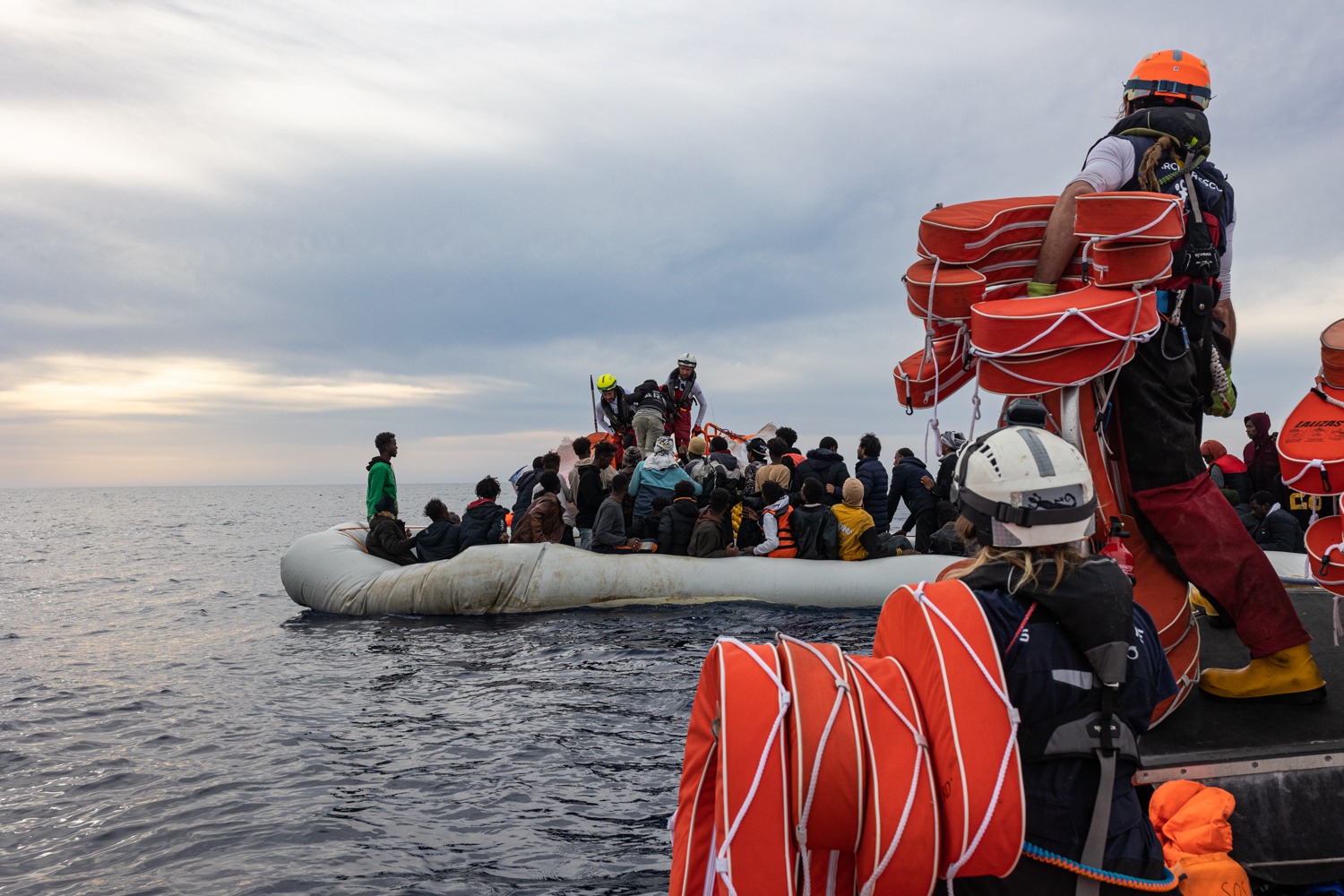
Since the beginning of 2024, a total of 2,738 migrants have been intercepted and returned to Libya, with 817 (29.84 percent) intercepted in the week from 10 to 16 March, as reported by the International Organization for Migration (IOM).
During this past week, all intercepted migrants were brought back ashore in Tripolitania, specifically in Zawiya where 393 migrants were returned on 14 March and another 120 on 15 March. Additionally, migrants were brought ashore in Tripoli with 98 on 17 March, 106 on 15 March, and 100 on 16 March.
The IOM also reported the recovery of a lifeless body on March 15. The total number of migrants brought back ashore since the beginning of the year includes 2,418 men, 206 women, and 108 minors.
The interception and return of migrants to Libya highlight the ongoing challenges and risks faced by individuals attempting to migrate for various reasons. These interception and return operations are part of efforts to manage migration flows and uphold international laws and agreements.
It is important to recognize the human rights implications of these interceptions and returns, particularly considering the vulnerabilities of migrants, including women and minors. The conditions in detention centers in Libya have raised concerns about the treatment of migrants and the need for greater protections and safeguards.
The IOM plays a crucial role in monitoring and providing assistance to migrants in various contexts, including those intercepted and returned to Libya. The organization works to ensure the safety and well-being of migrants while advocating for their rights and dignity.
The interception and return of migrants also highlight the need for comprehensive and sustainable solutions to address the root causes of migration, including conflict, poverty, and lack of opportunities in countries of origin. Addressing these underlying factors requires a coordinated and multi-faceted approach involving collaboration between countries, international organizations, and civil society.
Efforts to enhance the protection of migrants and support their reintegration into their communities of origin are essential components of comprehensive migration management. Providing migrants with access to information, resources, and support is critical to ensuring their well-being and successful reintegration.
In conclusion, the interception and return of migrants to Libya reflect the complex and challenging nature of migration management. It is imperative to prioritize the protection and rights of migrants while working towards sustainable solutions to address the root causes of migration. Collaboration and cooperation among various stakeholders are essential to effectively manage migration flows and uphold international laws and standards.
Read the original article on Libya Update


