Rédaction Africa Links 24 with H Mohammed
Published on 2024-02-20 19:22:28
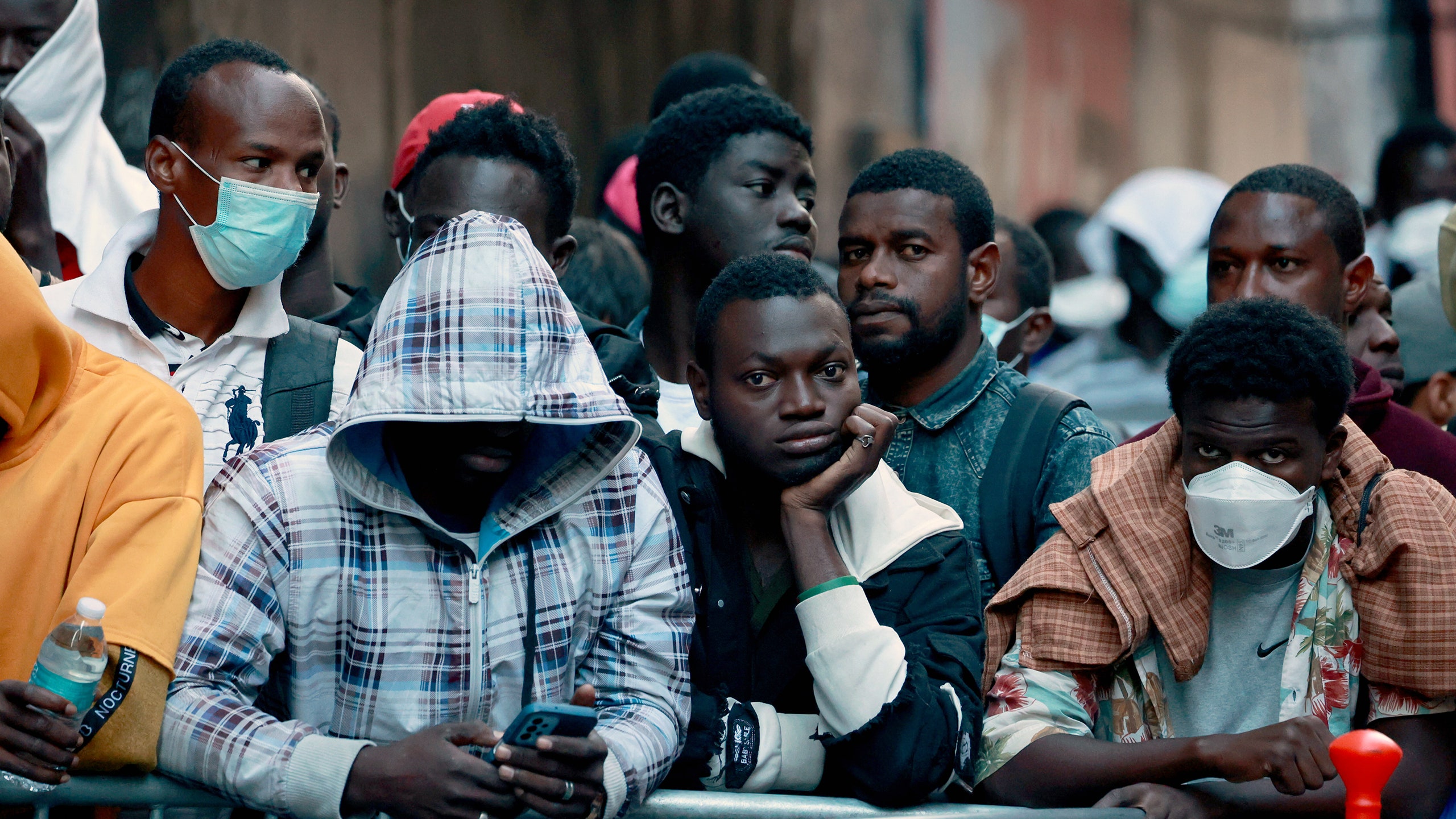
The east branch of the Department to Combat Illegal Migration (DCIM) in Libya recently intercepted and detained a group of 27 illegal migrants in a deserted area south of the Jabal al Akhdar in the eastern part of the country. The migrants, who were of various nationalities, were apprehended by Libyan authorities. It was reported that among them, 10 individuals from Egypt who were suffering from hepatitis were repatriated.
While the flow of migrants crossing the Mediterranean Sea from east Libya has decreased in recent years, the International Organization for Migration (IOM) stated that in 2024, a total of 1,078 migrants were intercepted and returned to Libya. These included 952 men, 93 women, and 33 children. The majority of these intercepted migrants were reported to be traveling from the western part of the country.
In a report released in April 2023, the IOM provided insights into the profile of migrants in Libya, highlighting that over half of the estimated 705,746 migrants living in Libya are based in the western part of the country. It was noted that western Libya is known to be a hub for some of the most notorious human traffickers in the region. One such individual, Abdel Rahman Milad, also known as Bija, leads the regional coast guard for the north-western coastal town of Zawiya.
Bija has been associated with violence against migrants and other human smugglers, and despite being sanctioned by the Security Council since 2018, he has formed alliances with Tripoli-based governments, including the current one led by Abdul Hamid Dbeibeh. A recent report by the UN Panel of Experts dated 15 September 2023 stated that Dbeibeh’s government has not adequately responded to requests for updated information on the effective implementation of the assets freeze and travel ban against Milad.
In another development, Italian authorities have initiated an investigation against Milad and other accomplices for offenses related to human trafficking, torture, and other crimes against migrants. Furthermore, for years, the European Union has been providing logistical and technical support to the Libyan coast guard, despite repeated calls by international non-governmental organizations to end this aid due to the coast guard’s involvement in abuse against migrants.
Human Rights Watch has been vocal about the EU’s support for the Libyan coast guard, urging for an end to the assistance and advocating for the establishment of safe and legal pathways for migration. The organization emphasized the need to stop supporting abusive militias and to ensure that migrants are provided with safe and lawful migration options.
As the situation continues to unfold, it is critical for international organizations, governments, and agencies to work together to address the challenges and protect the rights of migrants while promoting lawful and ethical practices.
Read the original article on Libya Update