Rédaction Africa Links 24 with New Dawn
Published on 2024-02-19 00:40:00
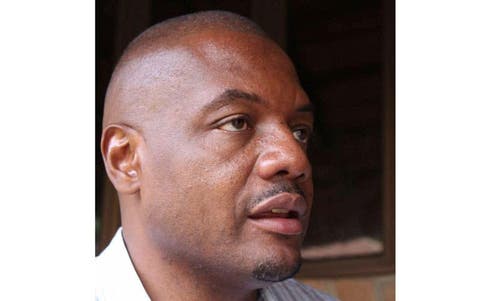
The controversy surrounding Atty. J. Nelson Freeman, President Joseph Nyumah Boakai’s nominee for Deputy Police Inspector General for Operations, stems from the 2011 election violence. The former ruling Coalition for Democratic Change (CDC) has vehemently opposed Freeman’s nomination, alleging that he was responsible for the shooting and killing of CDC members at their party headquarters.
This appointment has sparked outrage, with Mr. Moses Acarus Gray, a former district seat holder in Montserrado, accusing President Boakai of deliberately appointing a “death squad killer” of CDC members. Gray’s claim that Freeman shot and killed three CDC members and wounded several others has been met with controversy. An independent review panel conducted a special investigation into the 2011 election violence and cleared Freeman of committing a crime in discharging his weapon.
The panel concluded that Freeman’s discharge of his firearm was a violation of the Liberia National Police (LNP) Firearm Policy. However, it emphasized that Freeman’s weapon was not aimed at civilians or UN peacekeeping personnel. Instead, it was directed toward the ground, and no injuries were reported as a result of the gunshot. The investigative report showed that Freeman did not shoot to kill anyone during the riot.
The review of the Special Independent Commission of Inquiry Reports by the independent panel found that Freeman, who was a Deputy Commissioner of Police at the time, entered the CDC compound amidst rioting and became involved in an altercation with United Nations Mission in Liberia (UNMIL) officers, who attempted to disarm him. In response, Freeman discharged his service weapon, purportedly resisting disarmament. When questioned about his actions, Freeman cited fear for his safety, stating that he believed his disarmament would have exposed him to greater danger within the CDC headquarters compound.
After a thorough examination of the circumstances surrounding the incident and all available evidence and testimonies, the panel concluded that Freeman’s weapon was not aimed at civilians or UNMIL personnel. It noted that it was directed towards the ground, and no injuries were reported as a result.
The events of November 7, 2011, were sparked by a gathering of Congress for Democratic Change supporters who convened in and around Monrovia in response to a call from the party leadership. The situation turned violent as protesters clashed with the Police Support Unit, resulting in damage to property and injuries to several individuals. To restore order, the Liberia National Police deployed the Police Emergency Response Unit, and live ammunition was fired, resulting in fatalities, injuries, and numerous arrests.
In response to the violence, then President Ellen Johnson Sirleaf established a Special Independent Commission of Inquiry to investigate the events and the underlying causes of the violence, resulting in two reports being issued by the Commission.
The controversy surrounding Freeman’s nomination reveals the deep-seated tensions and unresolved issues stemming from the 2011 election violence. The conflicting narratives and accusations highlight the need for transparent and thorough investigations into such incidents to ensure accountability and justice.
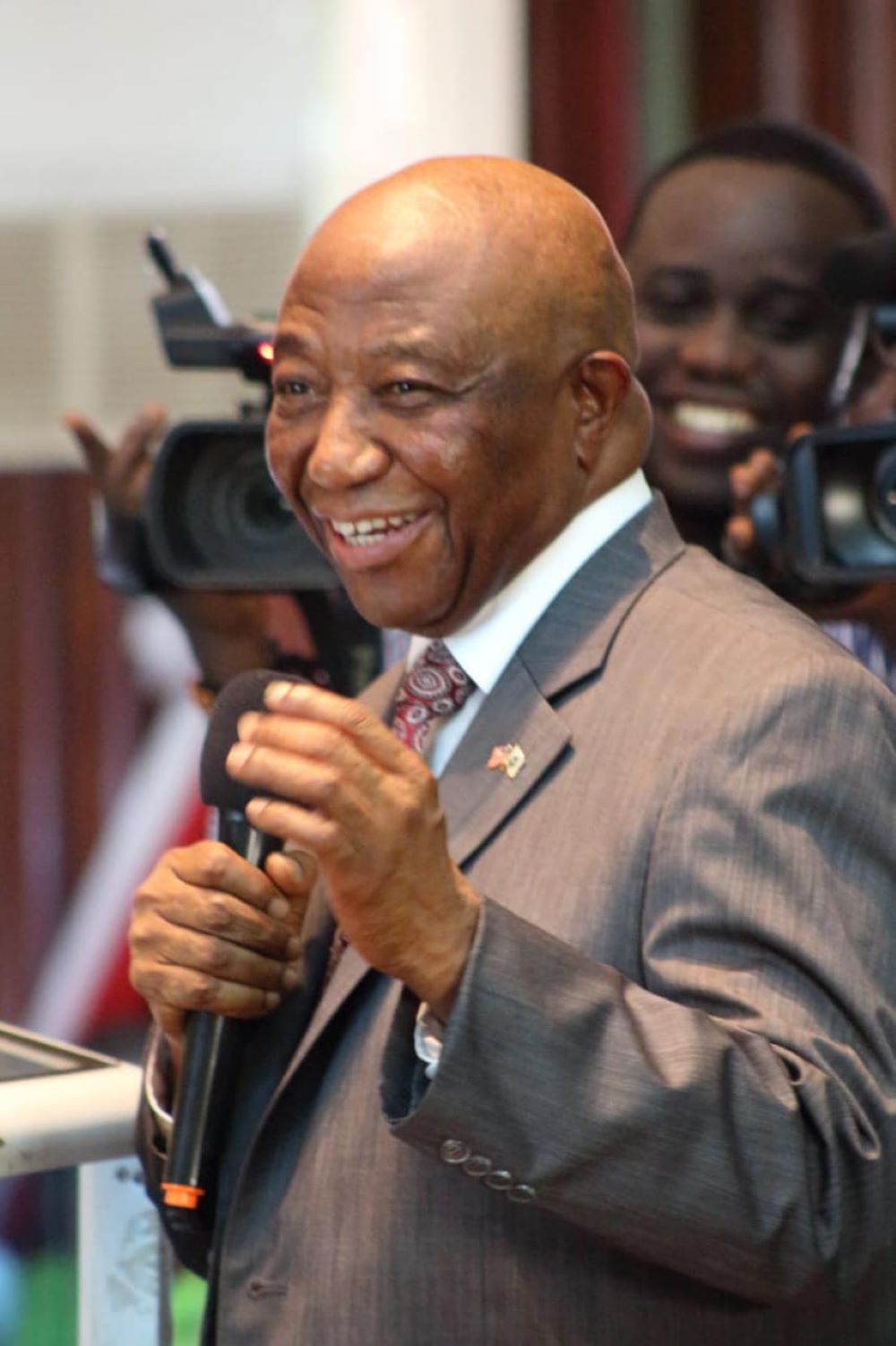
President Boakai’s decision to nominate Freeman has sparked intense debate and controversy, raising questions about the implications of such appointments on reconciliation and national healing. The public scrutiny and opposition to Freeman’s nomination underscore the complex and fragile nature of Liberia’s political landscape and the deep-seated wounds that still persist from the 2011 election violence.
It is imperative that all parties involved engage in constructive dialogue to address these contentious issues and work towards meaningful reconciliation and healing in Liberia. The appointment of public officials, especially in sensitive law enforcement positions, must be guided by principles of transparency, accountability, and the commitment to upholding justice and the rule of law.
Read the original article on The Newdawn Liberia