Rédaction Africa Links 24 with New Dawn
Published on 2024-04-08 01:20:00
There has been no prosecution of several Liberian officials who were placed on U.S. sanctions during former President George Manneh Weah’s regime for corruption and human rights abuses. These sanctioned officials include former Minister of State for Presidential Affairs and current County Senator Nathaniel McGill, Cllr. Sayma Syrenius Cephus, former Liberian Solicitor General, and Mr. Bill Twehway, former National Port Authority (NPA) Managing Director. Despite being sanctioned, none of these officials have faced legal consequences for their alleged wrongdoings.
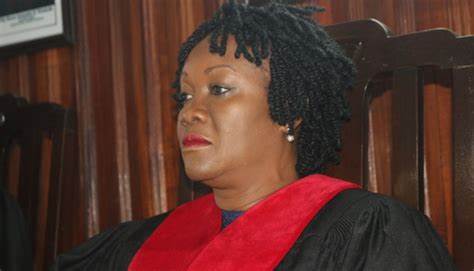
Liberia’s Chief Justice Sie-A-Nyene Yuoh has expressed her desire to engage in a legal and scholarly debate limited to actors from all sectors of the Liberian legal community regarding the United States Magnitsky Act. This Act allows the U.S. Department of the Treasury to impose sanctions on individuals involved in corruption and human rights violations. Justice Yuoh emphasized the importance of due process and the protection of the accused’s rights until proven guilty by a competent court of jurisdiction.
She urged the legal community to initiate a debate on the implications of the Magnitsky Act in Liberia and questioned the silence of the legal community on this matter. Justice Yuoh highlighted the need to discuss the curtailment of rights by foreign governments without proper accountability and due process. She emphasized that due process is a fundamental right enshrined in the Constitution and statutes of all nations.
During her address at the Liberia National Bar Association (LNBA) Assembly 2024, Chief Justice Yuoh reiterated that accused individuals must be given due process and considered innocent until proven guilty. She criticized the lack of accountability and transparency in the designation of individuals by foreign governments for alleged misconduct. Justice Yuoh emphasized the sacredness of due process and called for a robust debate among legal experts in Liberia to examine the implications of the Magnitsky Act.
The U.S. accused Mr. McGill of undermining Liberia’s democratic institutions for personal gain, Cllr. Cephus of engaging in corrupt relationships with criminal suspects, and Mr. Twehway of using his position for personal enrichment and political motives. All three individuals were designated under Executive Order 13818, which targets human rights abusers and corrupt individuals globally.
Justice Yuoh highlighted the role of these individuals in perpetuating corruption in Liberia and stressed the importance of holding them accountable through lawful processes. She urged the legal community to uphold the principles of due process and ensure that all accused persons are treated fairly and in accordance with the law.
In conclusion, the lack of prosecution of sanctioned Liberian officials raises questions about accountability and the rule of law in the country. Chief Justice Yuoh’s call for a legal and scholarly debate on the Magnitsky Act reflects the need for a thorough examination of the legal implications of foreign sanctions and the protection of individuals’ rights in Liberia.
Read the original article on The Newdawn Liberia