Rédaction Africa Links 24 with New Dawn
Published on 2024-02-29 00:43:00
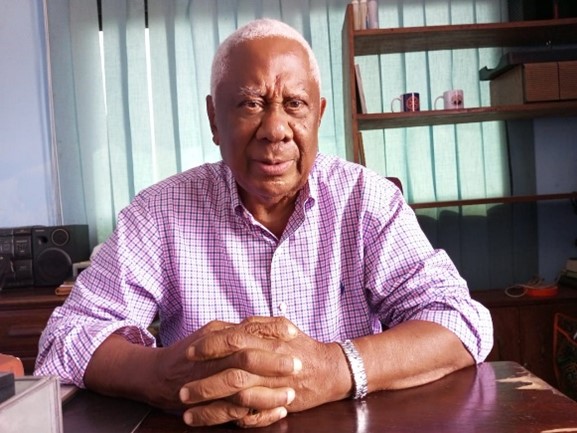
Former Finance Minister David Farhat has come to the defense of President Joseph Nyumah Boakai amidst debate over his attempt to replace officials serving in tenure positions from the previous government. Farhat argues that President Boakai is not in error for nominating new officials to these positions, as the tenure positions were created by former President Ellen Johnson Sirleaf and not by law. He suggests that President Boakai should have abolished these positions before nominating new officials and dismisses the resistance from those currently holding these positions.
In an exclusive interview with The NEW DAWN on February 27, 2024, Farhat emphasizes that those seeking legal redress for their removal are wasting their time. He asserts that the power to maintain or repeal tenure clauses lies with the incoming President, and former officials should accept this reality. Farhat, who served as Finance Minister during President Samuel Kanyon Doe’s administration, urges the people of Liberia to focus on issues that will improve their lives instead of engaging in unproductive activities.
He highlights that tenured positions were never enacted into law through a national referendum that would involve all citizens. In response to former President George Weah being denied access to the Presidential Lounge at the Roberts International Airport, Farhat emphasizes that all individuals, regardless of their previous status, should abide by government security protocols to maintain peace in the country.
While acknowledging Weah’s contributions during his presidency, Farhat recalls his own transition from holding a diplomatic passport as a former minister to being an ordinary Liberian. He stresses the need for unity among Liberians and discourages unnecessary conflicts that do not benefit the country or its citizens. Farhat reminds the public of the significant challenges facing Liberia that need to be addressed collectively.
In conclusion, Farhat’s defense of President Boakai’s decision to replace officials in tenure positions sheds light on the legal and governance aspects of the situation. His perspective underscores the need for a smooth transition of power and the importance of prioritizing the welfare of the people over personal interests. As the debate continues, Farhat’s insights provide valuable guidance on navigating the complexities of governance and leadership in Liberia.
Read the original article on The Newdawn Liberia