Rédaction Africa Links 24 with Lesotho Times
Published on 2024-04-04 06:31:35
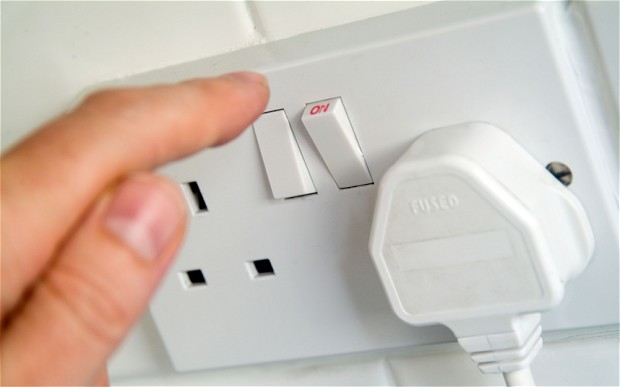
CIVIC groups in Lesotho have raised concerns over a recent near 10 percent increase in electricity tariffs announced by the Lesotho Electricity and Water Authority (LEWA). The groups have urged the government to halt the hike, citing the already dire economic situation in the country.
Lesotho is currently facing economic challenges, with high rates of unemployment, low wages, and widespread poverty. The increase in electricity tariffs is seen as unaffordable for many Basotho, who are already struggling to make ends meet.
In addition to the affordability issue, civic groups have also criticized the distribution of electricity, claiming that access to the grid is skewed towards wealthier households while excluding the poor. The tariff hike, which went into effect on April 1, has been met with opposition from various stakeholders, including the Lesotho Council of Non-Governmental Organisations (LCN) and Section 2.
The LCN has described the tariff hike as unjustified and unsustainable, accusing the LEC of running the company poorly and passing the burden onto consumers. The organization has called for alternative methods of revenue generation, such as improving financial management and reducing unnecessary costs.
Another civic group, Section 2, has emphasized the importance of transparency and fairness in tariff adjustments. The group has called on the LEC to release its audited financial statements to justify the increase and allow stakeholders to review the proposal comprehensively.
Lesotho’s National University lecturer in Economics, Leseko Makhetha, has also weighed in on the issue, warning that the hike will have a negative impact on consumers already struggling with a high cost of living and stagnant wages. Makhetha pointed out inefficiencies within the LEC, including its reliance on imported power and a bloated wage bill.
Overall, the consensus among civic groups and experts is that the electricity tariff increase is unjustified and will only worsen the economic situation for many Basotho. Calls for the government to intervene and manage the power sector more effectively have grown louder, as stakeholders demand a fair and transparent process in setting electricity tariffs. With concerns about affordability, access, and governance, it is clear that the issue of electricity tariffs in Lesotho requires immediate attention and action.
Read the original article on Lesotho Times