Rédaction Africa Links 24 with Lesotho Times
Published on 2024-03-05 09:22:59
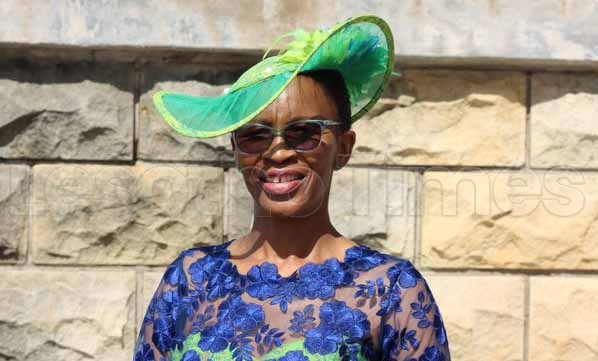
The decision by Prime Minister Sam Matekane’s government to cut out middlemen from state procurement processes and buy directly from suppliers has sparked controversy in Lesotho. United African Transformation (UAT) leader, Mahali Phamotse, believes this move is destabilizing the economy and harming small businesses, particularly Small Micro Medium Enterprises (SMMEs).
Phamotse expressed her concerns during the UAT party’s special conference in Hlotse, Leribe. She argued that by eliminating middlemen, the government is hindering the growth of the private sector as SMMEs can no longer bid for tenders to procure essential products like fertilizers on behalf of the government. Instead, government officials are procuring directly from suppliers for their own benefit, neglecting the needs of the masses.
Government spokesperson, Maketekete Sekonyela, dismissed Phamotse’s claims as political rhetoric and defended the government’s decision as a way to save funds and invest in development projects. He emphasized that Premier Matekane’s coalition government is passionate about investing in the private sector for economic growth.
The controversy stems from the government’s announcement in October 2022 to cut out middlemen and procure directly from suppliers, particularly for agricultural inputs like fertilizers. Phamotse criticized the government for allegedly hoarding fertilizers meant for public use and called it a misuse of taxpayers’ money.
Sekonyela justified the direct procurement approach by stating that it was more efficient and cost-effective than the traditional tendering process. He emphasized the government’s commitment to a private sector-driven economy and the need to protect public funds by ensuring affordable prices for essential inputs like fertilizers.
Phamotse’s opposition to the government’s policy of eliminating middlemen stems from her belief that it benefits a few individuals at the expense of the poor. She has a history of political involvement, having been a legislator for the ruling Revolution for Prosperity (RFP) party before being expelled for siding with the opposition in parliament.
Despite the government’s arguments for direct procurement, Phamotse and her supporters remain skeptical of the impacts on small businesses and the overall economy of Lesotho. The debate continues as stakeholders weigh the benefits of cutting out middlemen against the potential consequences for local businesses and economic stability.
In conclusion, the decision to cut out middlemen from state procurement processes in Lesotho has sparked a debate over the implications for small businesses and the economy. While the government defends its actions as cost-effective and efficient, critics like Phamotse raise concerns about the negative impacts on SMMEs and public access to essential resources. The discussion highlights the complexities of balancing economic policies with the needs of local businesses and communities.
Read the original article on Lesotho Times