Rédaction Africa Links 24 with Lesotho Times
Published on 2024-04-11 08:11:58
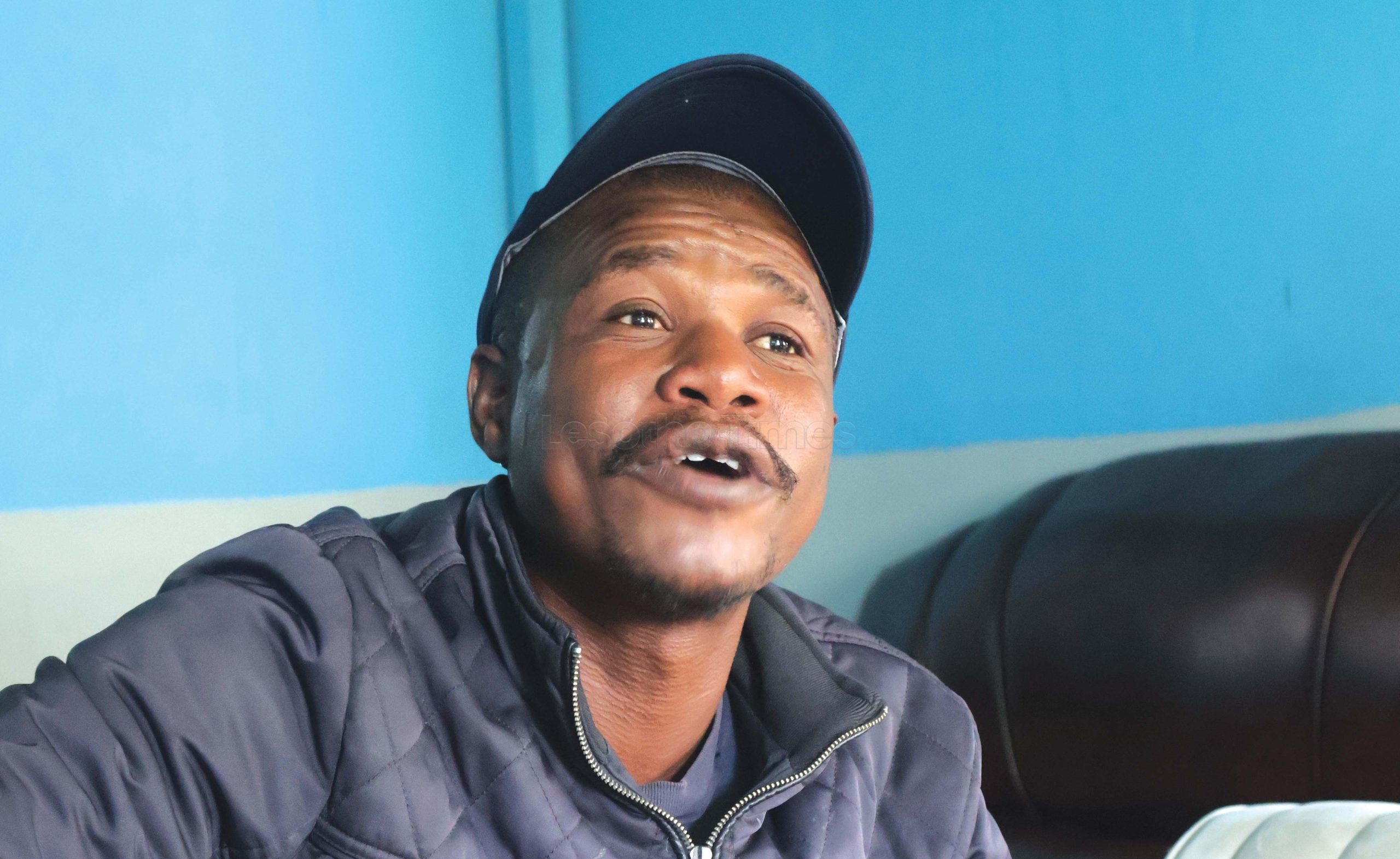
Mosotho Phakela, also known as Mosotho, is a figure who stirs both fear and admiration in the hearts of many. While some associate his name with terror, others in the Liphakoeng community of Leribe view him as a true savior. Leadin the Famo gang known as Terene ea Khosi Mokata, Mosotho has a history marred by violence and crime, including numerous murders.
However, Mosotho claims that his group has undergone a transformation and now seeks peace and coexistence with other communities. He envisions a harmonious Lesotho, even with rival Famo groups that have contributed to the country’s reputation as the sixth most homicidal nation in the world, according to the World Population Review.
On a recent Sunday afternoon, Mosotho, a 35-year-old man, welcomed a team from the Lesotho Times for an exclusive interview at his compound in Liphakoeng, Ha Makoae. Dressed in a black sweater, blue track pants, and blue gumboots, he exuded humility and respect as he greeted his visitors.
Mosotho, whose real name is Tṧepiso Radebe, shared his journey from growing up in Lefikeng to becoming the leader of Terene ea Khosi Mokata in South Africa. In 2022, he made the decision to return to Lesotho and focus on developing the Liphakoeng area. Apart from his involvement in horse racing and managing retail outlets, Mosotho is deeply committed to agricultural practices, with large fields dedicated to crops like cabbage, maize, potatoes, and watermelons.
With a strong emphasis on community development, Mosotho has established committees for business and agricultural initiatives within Terene ea Khosi Mokata. He envisions a shift from violence and crime to entrepreneurship and job creation for Basotho. His impact on the Liphakoeng community is evident in the infrastructure improvements, employment opportunities, and social services he has provided.
Local councillor Kabelo Lefosa praises Mosotho as a transformative figure who has elevated the standard of living in Liphakoeng. From housing for employees to essential services like boreholes and healthcare facilities, Mosotho’s contributions have been crucial in addressing the community’s needs. He has also played a key role in combating livestock theft and supporting vulnerable members of society.
Despite his past association with criminal activities, Mosotho advocates for the reformation of Famo groups into productive civic organizations. He believes that by formalizing their structure and activities through registration under the Societies Act, these groups can transition into agents of positive change and local development.
While the reputation of Famo groups as criminal syndicates persists in the minds of many Basotho, Mosotho’s story serves as a beacon of hope for a future where former adversaries work together for the betterment of their communities and the nation at large. Through his actions and initiatives, Mosotho exemplifies the power of redemption and transformation.
Read the original article on Lesotho Times