By Africa Links 24
Published on 2024-01-19 10:35:20
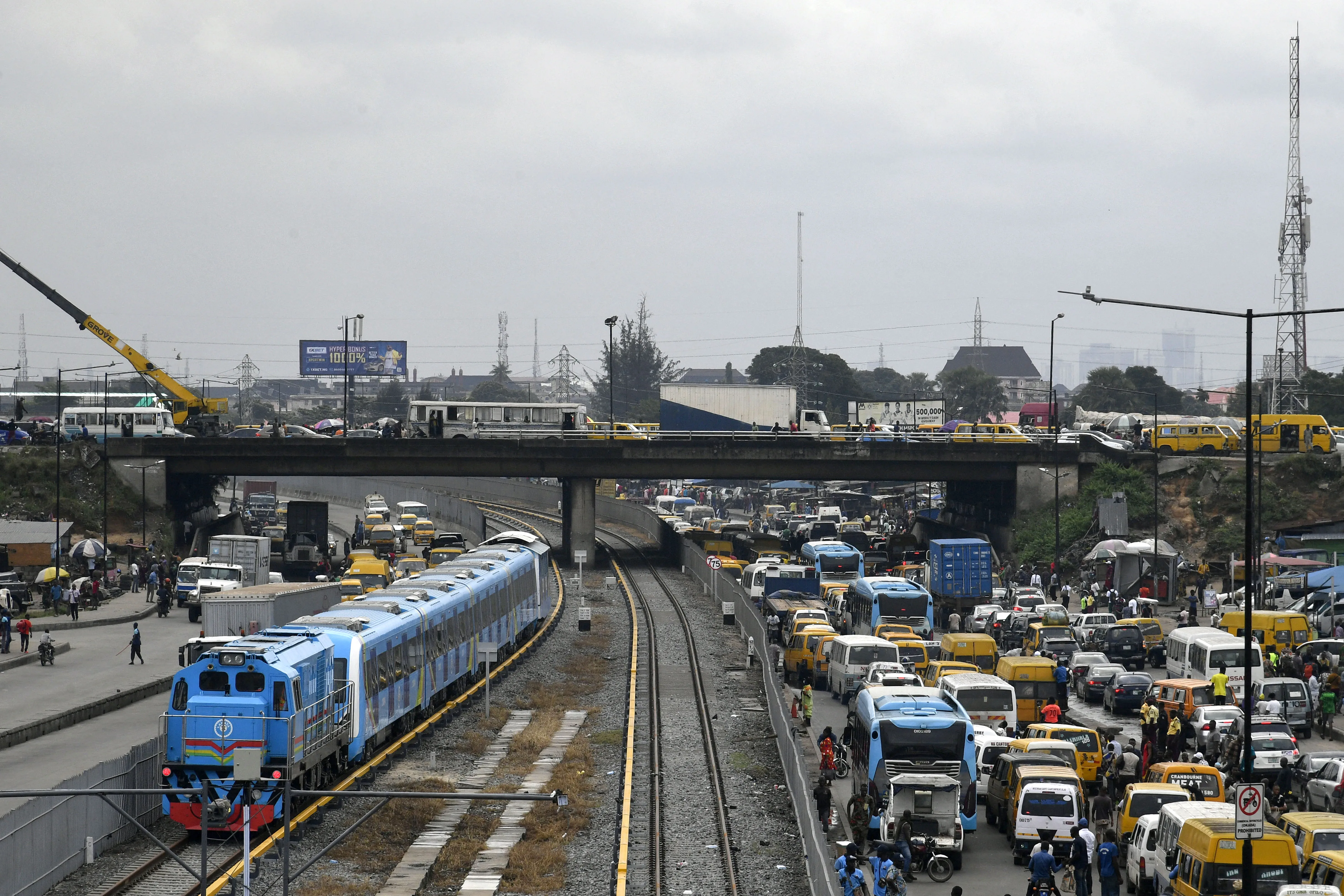
Lagos is known for its notorious traffic congestion. The cacophony of car horns has become the anthem of the city. The gigantic population of over 20 million deals with spending countless hours stuck in traffic, as they navigate through highways that were never meant to handle this volume of traffic.
Therefore, the opening of the new ‘Blue Line’ light rail route last year was a relief for many. After a two-decade-long planning and construction process, the first train on the Chinese-built project pulled out of the new Lagos Marina station on the western shore of Lagos Island near the city centre on 4 September. The Blue Line offers commuters a smooth and modern journey, making travel more comfortable with no traffic gridlock to deal with.
The real problem for Lagos is that a single light rail project cannot make a significant impact. The city needs many more projects of this nature to cope with its projected population increase. Unfortunately, building mass transit projects requires space, which is scarce in Lagos. The city’s population explosion has resulted in housing being built on any available land, making it difficult to accommodate mass transit projects. The lack of effective planning is reflected in Lagos’ low position in the city liveability index.
Various plans have been devised to address urban planning, but turning these plans into action has been a challenge. The lack of intervention in the housing market has led to unchecked residential development. The urban poor have resorted to erecting makeshift dwellings due to the absence of affordable housing. Intervention in the housing market is crucial, along with the need for more social housing, reformation of the mortgage market, and the promotion of high-rise developments to utilize space more efficiently.
The opening of the first phase of the Blue Line is a step towards realizing the vision of a city crisscrossed by multiple rail lines. While incremental improvements to bus and ferry transport are underway, the challenges of urban planning will continue to grow with Lagos’ increasing population. Besides ‘hard’ infrastructure, non-motorized transportation such as walking and cycling need to be promoted to relieve pressure on the roads.
Preserving the wetlands is vital to mitigate the effects of climate change on Lagos as they serve as a natural drainage mechanism. The benefits of preserving wetlands highlight the need for a better approach to planning to improve the city’s ‘liveability.’ With a better approach to planning, it is possible that ‘liveability’ can finally start to improve.