Rédaction Africa Links 24 with Kenyans.co.ke
Published on 2024-03-19 16:39:21
As Kenya gears up for the implementation of the Affordable Housing Bill 2023, concerns about the potential for corruption to infiltrate President William Ruto’s flagship project have been raised. Dagoretti North MP, Beatrice Elachi, expressed apprehensions about the possible misappropriation of funds within both county and national governments during an interview on Citizen TV.
Elachi highlighted the importance of vigilance in ensuring that the housing programme, which is projected to be the largest revenue generator for the government, is safeguarded against corrupt practices. She warned that failure to address corruption within this initiative could lead to regrettable consequences in the future.
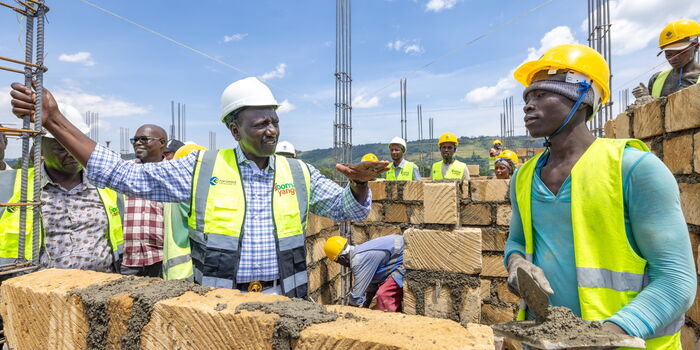
The Affordable Housing Bill 2023 aims to construct 200,000 affordable housing units annually and generate between 600,000 to 1 million jobs each year. To fund this ambitious project, the National Assembly has allocated and ring-fenced Ksh73 billion in the current fiscal year’s budget. The goal is to support the provision of funds for affordable housing and schemes that promote home ownership among Kenyans.
President William Ruto recently signed the Affordable Housing Bill into law at State House on March 19, 2024, signaling the government’s commitment to addressing the pressing issue of housing affordability in Kenya. However, concerns about corruption persist, fueled by previous scandals such as the National Youth Service (NYS) scandal.
The legislation includes stringent penalties, including a Ksh20 million fine or ten years imprisonment, or both, to deter officials from engaging in corrupt activities related to the Affordable Housing Funds. The government has emphasized its resolve to combat corruption and mismanagement of public funds allocated for housing initiatives.
The bill introduces a 1.5% tax on both employers and employees, effective at the end of the month. Measures have been put in place to prevent double taxation and provide relief for individuals already contributing a matching amount. Additionally, the legislation offers tax-related incentives such as reducing turnover tax from 3% to 1.5%, benefiting those in the informal sector.
Both the Senate and the National Assembly have approved the bill, signaling bipartisan support for efforts to tackle the housing crisis in Kenya. County governments are also expected to play a role, with governors mandated to establish liaison committees for overseeing affordable housing programs at the regional level.
To ensure transparency and accountability, the legislation embeds accountability measures, including the establishment of an Affordable Housing Board to oversee levy proceeds and prepare investment programmes subject to parliamentary scrutiny. Despite the project’s potential benefits, concerns about corruption remain, given the history of high-profile corruption scandals in the country.
The Affordable Housing Bill underscores the urgent need for stringent oversight and accountability mechanisms to prevent misuse of funds and ensure the successful implementation of affordable housing initiatives in Kenya. As the country moves forward with this critical project, it is essential to maintain a vigilant stance against corruption and uphold the integrity of public funds allocated for housing development.
Read the original article on Kenyans.co.ke