Rédaction Africa Links 24 with Kenyans.co.ke
Published on 2024-03-12 16:53:11
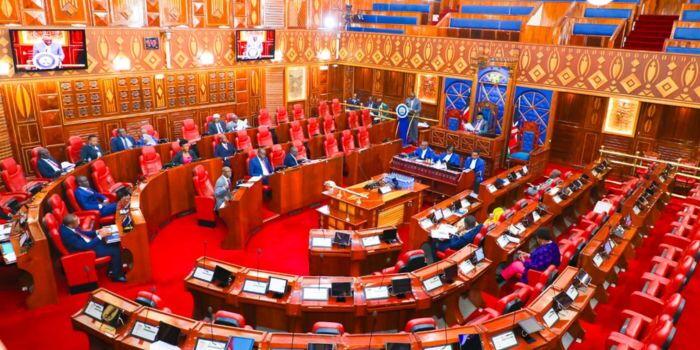
The Affordable Housing Bill was successfully passed by the Senate on Tuesday evening, marking a significant legislative victory for the Kenya Kwanza government. The bill, which had faced opposition from lawmakers in the opposition camp, received 27 votes in favor, with only 10 senators rejecting it. There were no abstentions recorded during the proceedings, indicating a decisive outcome.
The breakthrough in passing the bill came after Senate Majority Leader Aaron Cheruiyot moved for the legislation to be read for a third time, ultimately securing its passage through the chamber. This success followed earlier legal hurdles, with the High Court in Kisumu intervening in the process. However, the court’s ruling absolved Parliament of any wrongdoing in the conduct of public participation regarding the bill, clearing the path for the Senate to consider the legislation without impediment.
Majority Leader Kimani Ichung’wah praised the court’s decision, highlighting the importance of effective public engagement in shaping legislation that impacts people’s lives. The Affordable Housing Bill aims to formalize a 1.5 percent housing levy on both salaried and income-earning Kenyans to generate funds for affordable housing initiatives nationwide. Despite facing contention, including a mass walkout by opposition MPs, the bill had previously passed through the National Assembly.
The High Court emphasized the significance of robust public participation in the legislative process, emphasizing its role in prioritizing people-centered developments and legitimizing government actions. Lawrence Omule Apiyo, acting as the petitioner in the court case, had raised concerns about the adequacy of public participation in the bill’s formulation. However, the court ruled in favor of the National Assembly, affirming that effective and constitutionally compliant public engagement had been conducted.
The National Assembly defended its handling of public participation, citing extensive efforts to engage with citizens beyond the submission of memoranda. The court agreed that the petitioner’s case was premature, assuming a narrow interpretation of public participation methods. With the Affordable Housing Bill now set to head to President Ruto’s desk, his signature will make it into law upon approval.
In conclusion, the passage of the Affordable Housing Bill through the Senate represents a significant milestone for the Kenya Kwanza government in its efforts to address the country’s housing challenges. The successful passage of the bill underscores the importance of effective public participation in the legislative process and paves the way for tangible progress in affordable housing initiatives nationwide.
Read the original article on Kenyans.co.ke