Rédaction Africa Links 24 with Kenyans.co.ke
Published on 2024-03-03 14:53:21
On February 29, 2024, the Kenya National Bureau of Statistics (KNBS) released a report stating that the cost of electricity in the country had risen by 37% in 2023. The report also projected that the price of electricity is expected to continue increasing in the coming years. This significant increase in electricity prices has put a strain on the pockets of many Kenyans.
To provide a perspective on the impact of this price hike, it was noted that the cost of 50 Kilowatts (KW) of electricity had increased by 42.7%, while the price of 200 Kilowatts had risen by 31.8%. A 50 KW supply of electricity is sufficient to power essential household appliances such as water heating systems, cooking appliances, and washing machines.
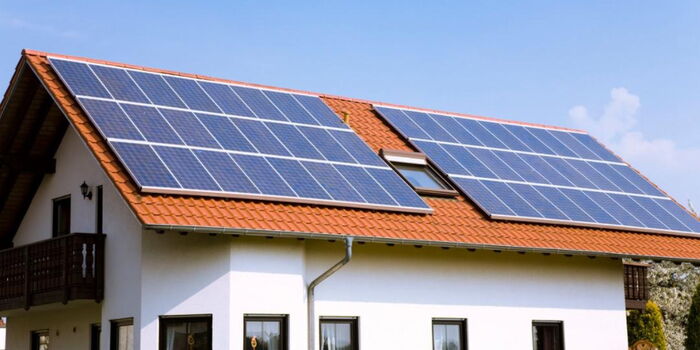
In addition to the high electricity prices, Kenyans have been facing frequent blackouts over the past year. These challenges have prompted many Kenyans to explore alternative energy sources, with a growing interest in solar power systems as a way to save costs. Some have already made the switch to solar power, installing solar systems in their homes as a mainstream or alternative energy option.
For those considering installing a solar power system in their homes, there are several requirements to take into account. These include photovoltaic panels (PV panels), a racking system, electrical wiring components, batteries, a charge controller, a power inverter, and roof sealant. Some users may also choose to install a heat sink and an energy meter for better efficiency.
While the initial cost of installing a solar power system may be high, experts highlight the long-term benefits of lower maintenance costs. Electrical engineer James Ogutu emphasized this point, stating that while solar power installation can be expensive initially, the maintenance costs are minimal once the system is set up.
Typically, a standard household would require a solar power system with a capacity of up to 5,000 watts, with installation costs averaging around Ksh500,000. However, some argue that the price can be reduced by half depending on specific requirements, bringing the cost down to around Ksh250,000. The installation costs, though high, have raised concerns about accessibility for low-income households and have been seen as a barrier to widespread adoption.
To address the issue of high installation fees, experts suggest purchasing solar systems from companies that offer subscription-based installations, allowing users to pay in installments and eventually own the system. Despite the challenges of high costs, many see solar power as a worthwhile investment due to its reliability during blackouts and long-term cost savings.
Read the original article on Kenyans.co.ke