Rédaction Africa Links 24 with Kenyans.co.ke
Published on 2024-04-05 06:51:47
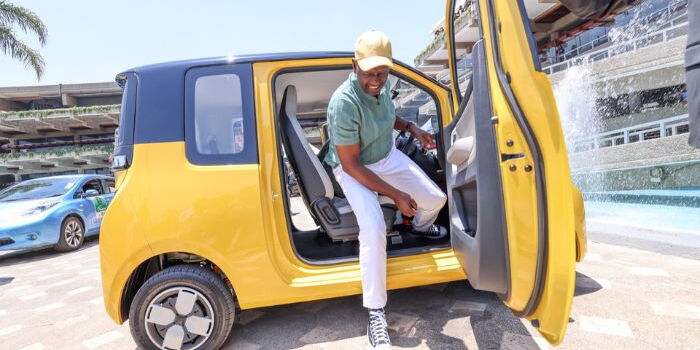
The shift towards electric vehicles is gaining momentum in Kenya, with a notable increase in the number of motorists opting for eco-friendly cars. Car dealers are expressing confidence in the electric car market, aligning with the government’s commitment to reducing carbon emissions as part of the COP 26 declaration to transition towards 100% green energy.
Recent data from the Energy and Petroleum Regulatory Authority (EPRA) revealed a significant increase in electric vehicle sales. In the second quarter of 2023, over 2,079 electric units were sold, up from 1,350 units in the first quarter of the same year. Motorcycles accounted for the majority of sales with 1,500 units, followed by station wagons (181), tuk-tuks (176), and electric buses (20) on Kenyan roads.
Despite the government’s efforts to reduce fuel prices, the appeal of electric vehicles remains strong due to their low running costs and contribution to clean transport, essential in addressing climate change effects. The recent reduction in fuel prices, with Super Petrol, Diesel, and Kerosene now retailing at Ksh199.15, Ksh190.38, and Ksh188.74 in Nairobi respectively, has not deterred motorists from embracing electric vehicles.
Car dealers attribute the increasing interest in electric vehicles to motorists’ awareness of the environmental benefits and cost savings. The government has set a target for electric vehicle units to constitute 5% of total registered vehicles by 2025, reflecting a steady growth in Kenya’s presence in the EV market, traditionally dominated by countries like China and the United Kingdom.
Despite the positive trend, challenges remain, particularly in the establishment of a network of EV charging stations across the country. EPRA emphasizes the need for charging stations to be located every 25 kilometers along highways for convenient access. Director General of EPRA, Daniel Kiptoo, highlighted the importance of infrastructure development to support the growing demand for electric vehicles.
Car dealers acknowledge the higher upfront cost of electric vehicles compared to traditional fossil fuel cars, with some models priced around Ksh3.5 million. However, they stress that the buyers of these vehicles are experienced individuals who prioritize environmental sustainability and are willing to make a significant investment to contribute positively to society.
The surge in electric vehicle adoption in Kenya signifies a shifting trend towards sustainable transportation options and a commitment to reducing carbon emissions. With the government’s support and the continued efforts of car dealers to promote EVs, the future looks promising for the growth of electric vehicles in the country.
Read the original article on Kenyans.co.ke