By Flinster Austin
Published on 2024-01-16 18:30:09
Kenyan media has reported that the amount will be divided equally among the 16,000 artists registered with the MCSK – with each one of them taking home Ksh1,250 ($8). The distribution of this amount has caused consternation among musicians and industry observers.
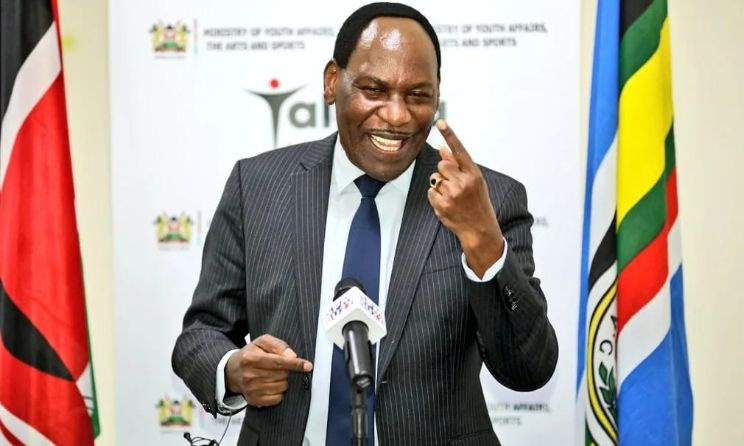
However, MCSK CEO Ezekiel Mutua dismissed the assertion, saying the monies will be distributed in two ways: “general” and “scientific”. In a statement issued on social media on 15 January, Mutua clarified that the Ksh20m will not be shared equally among all MCSK members. The distribution will be done using both scientific and general methods. The scientific distribution will take into account the actual airplay of members’ works within the period under review, monitored by a system set up and managed by the Kenya Copyright Board. On the other hand, the general distribution will allocate amounts to members in line with MCSK distribution rules, even if their songs receive minimal or no airplay.
Despite Mutua’s clarification, many are unhappy with the total amount available for royalty distribution in January. Some have expressed concern over the unequal distribution of royalties and have questioned the fairness of the allocation. Others, such as US-based genge musician Nonini, have criticized the small amount and expressed disappointment on behalf of fellow artists.
Mutua noted that the 25 January royalty distribution is a step in the right direction for Kenyan musicians, with additional payments expected later in the year. He also emphasized that new tariffs approved by the government and new contracts signed with entities like Google, broadcasters, and public transport operators, will lead to sustainable incomes for artists.
Over the years, many rightsholders have spoken out about their frustration with the way that the Kenyan royalty space is being managed. Collective rights management in Kenya has been marred by licence disputes, allegations of corruption and lack of transparency.
Mutua stressed that the MCSK is working to address the issues and improve the situation for members. He emphasized the need for government support, collaboration with relevant committees of Parliament, and increased compliance by music users to achieve optimal operational standards.
In conclusion, Mutua expressed his belief that the future looks bright for Kenyan musicians, with the goal of distributing over a billion shillings within the next two years. The aim is to build a more vibrant music industry in Kenya and ensure that musicians can earn sustainable incomes.