Rédaction Africa Links 24 with Kenyans.co.ke
Published on 2024-02-22 23:05:14
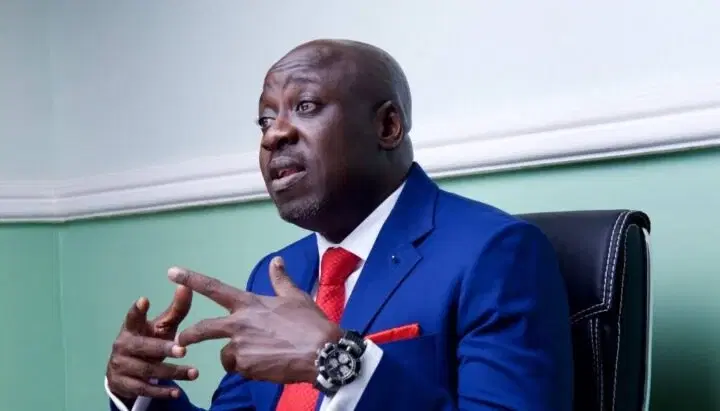
The CEO of the Music Copyright Society of Kenya (MCSK), Ezekiel Mutua, has stated that his plan to distribute Ksh20 million in royalties to artists was approved by Gender Cabinet Secretary Aisha Jumwa. This comes after the Kenya Copyrights Board (KECOBO) accused Mutua of shortchanging artists and released an exposé on the matter.
KECOBO is a State Corporation responsible for the administration and enforcement of copyright and related rights, comprising of three organizations: MCSK, Kenya Association of Music Producers (KAMP), and Performers Rights Society of Kenya (PRISK). Mutua defended his actions by stating that MCSK had published its distribution criteria in January 2024, inviting public feedback, and receiving no opposition to the process.
According to MCSK CEO Ezekiel Mutua, the distribution exercise has received positive responses from members, and artists are receiving their dues in line with MCSK distribution rules. He also emphasized that the notice for royalties distribution had been published after consultations with the CS in charge of Gender, Arts, Culture, and Heritage, Aisha Jumwa, KECOBO, and relevant stakeholders.
KECOBO, in a five-page letter, accused the three organizations, including MCSK, of paying less than a third of total royalty collections to artists and embezzling the rest. Consequently, the board invited the Ethics and Anti-Corruption Commission (EACC) to launch a probe into the activities of MCSK and other Collective Management Organisations (CMOs) such as KAMP and PRISK.
In response, Mutua refuted claims that the amount had been collected and 70% of the funds were to be distributed to artists. He questioned the basis of the “70% rule” mentioned by KECOBO and asserted that MCSK takes the allegations very seriously, intending to pursue legal action to address what he perceives as deliberate misinformation.
The board insisted that the three organizations should have distributed Ksh173 million, representing 70 percent of the collected revenues. KECOBO provided accompanying data, detailing the payments received by artists, with the highest earner, Rehema Lugose, receiving Ksh757,092, significantly lower than the entitlement of Ksh4.540,000. This data raised concerns about discrepancies in royalty distribution.
The ongoing dispute between KECOBO and MCSK, as well as other related organizations, warrants close monitoring as it directly impacts the livelihoods and fair compensation of artists. It is crucial for all parties involved to transparently and efficiently manage royalty collections and distributions, ensuring that artists receive their due compensation. The involvement of regulatory authorities and legal action underscores the seriousness of the issue, signaling the need for greater accountability and fairness in the music industry.
Read the original article on Kenyans.co.ke