Rédaction Africa Links 24 with Kenyans.co.ke
Published on 2024-04-11 15:08:36
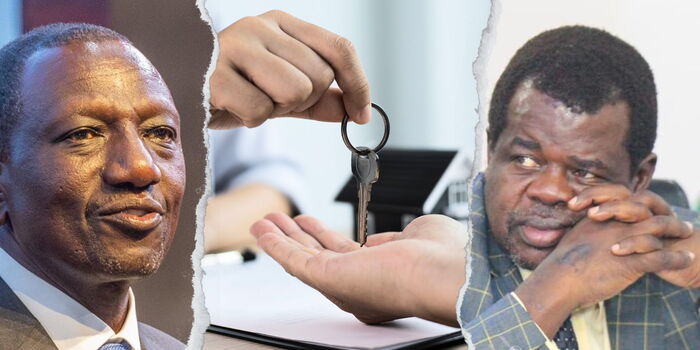
The Affordable Housing Act, a flagship project of President William Ruto, is facing a significant hurdle as 22 Senators, led by Okiya Omtatah from Busia, have taken the fight to court in an attempt to overturn the Act entirely. Their primary concerns lie with a section of the Act that designates the Commissioner General of the Kenya Revenue Authority (KRA) as the collector of the affordable housing levy, as well as sections 4 and 5 which impose the levy.
The crux of the senators’ argument is that the Commissioner General’s mandate is limited to the affairs of the KRA and does not extend to collecting the Affordable Housing Levy. This dispute escalated when President Ruto signed the Affordable Housing Bill 2023 into law on March 19, allowing for the resumption of housing levy deductions from the citizens’ salaries.
Under the new law, Kenyans are subject to a 1.5% deduction from their gross monthly pay, prompting backlash from dissenting voices and sparking a legal battle with potentially wide-reaching consequences. The senators, along with human rights defenders, have raised several key questions related to the legitimacy of the Affordable Housing Act.
They question the legality of the Act, particularly around the implementation of the Affordable Housing Levy and whether it infringes on existing laws and regulations. The senators also challenge the lack of public participation in the enactment process of the Affordable Housing Bill, highlighting concerns about constitutional validity and adherence to due process.
Omtatah is adamant that the judiciary needs to provide guidance on crucial issues such as the continuation of affordable housing initiatives under questionable laws, the constitutional implications of levying funds without individual benefits, and whether the government should reimburse deductions made under the Finance Act of 2023.
Despite the legal challenges, President Ruto remains resolute in his commitment to the affordable housing project. The Kenya Kwanza government has successfully navigated the initial court battles, allowing Ruto to introduce the law through parliament. The deductions under the Affordable Housing Act have already been implemented, with no signs of the government slowing down its efforts.
In conclusion, the legal battle surrounding the Affordable Housing Act underscores the complexities of implementing such ambitious projects and the importance of ensuring compliance with constitutional provisions and due process. The outcome of this case will not only impact the affordable housing sector but also set precedents for future legislative initiatives in Kenya.
Read the original article on Kenyans.co.ke