Rédaction Africa Links 24 with Kenyans.co.ke
Published on 2024-04-11 06:53:09
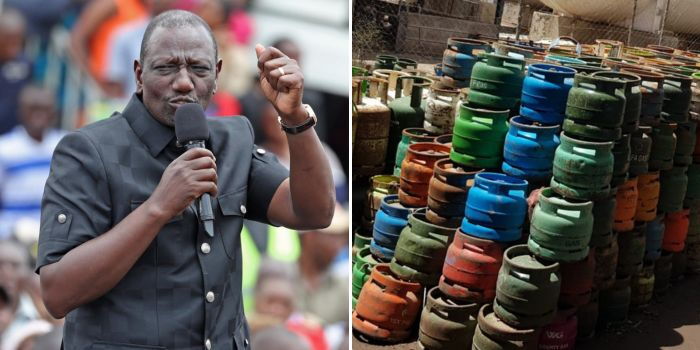
Despite the high cost of Liquefied Petroleum Gas (LPG) in Kenya, recent data indicates that Kenyans are continuing to purchase this essential gas for their cooking needs. This trend is primarily attributed to the government’s decision to remove Value Added Tax (VAT) on LPG through the Finance Act 2023, which was enacted by President William Ruto.
According to the latest Bi-Annual Energy and Petroleum Report Financial Year 2023/2024 from the Energy and Petroleum Regulatory Authority (EPRA), there has been a noticeable increase in the demand for LPG since Ruto took office. The report states that the demand for LPG rose by 8% to 360,594 metric tonnes in 2023, with the removal of VAT on LPG being a significant contributing factor to this increase.
Furthermore, the government’s implementation of the LPG growth strategy, which aims to increase per capita consumption of LPG to 15 kilograms by 2030, has also played a role in driving up the consumption of LPG in the country. In 2023, Kenyans consumed 360,594 metric tonnes of LPG, making it the second-highest consumption since 2012, with the highest consumption recorded in 2021.
Despite fluctuations in consumption throughout the year, with the lowest consumption recorded in June and the highest in July after the enactment of the Finance Act 2023, the overall trend shows a steady increase in consumption. By December 2023, the consumption had stabilized above 30,000 metric tonnes, highlighting the resilience of Kenyan consumers in the face of high prices.
EPRA Director General Daniel Kiptoo highlighted Kenya’s commitment to doubling per capita consumption by 2030 as part of efforts to promote modern and clean cooking solutions. However, data from the Kenya National Bureau of Statistics (KNBS) in March 2024 revealed that the average price for a 13-kilogram LPG cylinder had risen to Ksh3,231, compared to previous months.
In response to complaints about high prices, the government proposed the removal of taxes on locally manufactured cylinders, LPG products, and the cost of cylinder revalidation during a cabinet meeting in October. These measures are aimed at making LPG more affordable and accessible to Kenyan households.
Overall, the data indicates a positive trend in LPG consumption in Kenya, driven by government initiatives to make LPG more affordable and sustainable for the population. As the country moves towards doubling per capita consumption by 2030, it is crucial for stakeholders to continue working towards promoting clean and modern cooking solutions for all Kenyan households.
Read the original article on Kenyans.co.ke