Rédaction Africa Links 24 with Kenyans.co.ke
Published on 2024-03-23 15:48:51
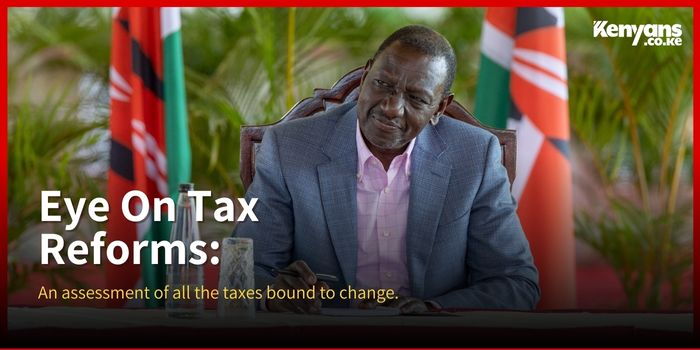
President William Ruto has implemented various tax reforms since taking office, with the aim of stimulating economic growth in the country. While these measures are intended to bring about positive changes, they have also placed a significant burden on Kenyan citizens who are already struggling with a high cost of living.
President Ruto has defended these tax reforms by pointing out that they have helped the country avoid the financial crises that have affected other African nations such as Ethiopia, Ghana, and Zambia. These countries have faced challenges due to high levels of debt distress, which President Ruto believes Kenya has managed to avoid through proactive economic reforms.
Despite the benefits of these tax measures, President Ruto has listened to concerns raised by the public and has promised to review and potentially lower or eliminate certain taxes. Let’s take a closer look at four key tax policies that President Ruto is considering changing:
1. **Corporate Tax:** This tax is applied to the profits made by a company over a specified period. The high rates of corporate tax in Kenya have deterred foreign investors from entering the market, leading to reduced compliance by taxpayers and a decline in income tax as a share of the GDP. President Ruto has proposed lowering the corporate tax rate from 30% to 25%.
2. **VAT on Building Materials:** Value Added Tax (VAT) on building materials has led to increased construction costs, hindering the Affordable Housing Program initiated by President Ruto’s administration. He aims to construct 1 million houses across the country by 2027 and has promised to eliminate the VAT on building materials to support this goal.
3. **Taxes on Packaging Materials:** Currently, packaging materials imported into Kenya are taxed, affecting products meant for export, such as tea. This has led to increased production costs in the tea sector, impacting Kenya’s ability to export tea, which is a significant source of revenue. President Ruto has pledged to remove taxes on imported packaging materials to support export industries.
4. **Farm Produce Tax:** The government has proposed taxing farmers on their produce, with the aim of increasing revenue from the agricultural sector. However, farmers have voiced concerns about the potential negative impact on their incomes, as they heavily rely on the profits from their produce. In response to these concerns, Deputy President Rigathi Gachagua has promised to address the issue and implement policies to support farmers.
President Ruto’s willingness to listen to public concerns and his commitment to reviewing and potentially changing tax policies demonstrate a responsive and proactive approach to governance. By balancing economic reforms with the needs of the citizens, President Ruto aims to create a sustainable and prosperous future for Kenya.
Read the original article on Kenyans.co.ke