Rédaction Africa Links 24 with Kenyans.co.ke
Published on 2024-02-21 05:34:08
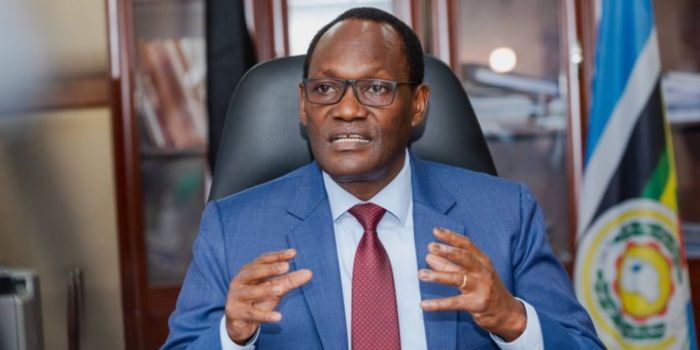
During a government retreat on Tuesday, February 20, Treasury Principal Secretary Chris Kiptoo revealed that out of the 20 million Kenyans who registered tax pins with the Kenya Revenue Authority (KRA), only 8.5 million were paying taxes. This means that there are approximately 11.5 million eligible Kenyans who are not contributing to the country’s tax revenue despite being registered with the tax authority.
Kiptoo emphasized the need for the government to expand its tax base as Deputy President William Ruto continues to push for increased local revenue to fund government projects. He also addressed the criticism that the government is overtaxing its citizens, calling on Kenyans to be more patriotic and support Ruto’s efforts to improve the economy through tax compliance.
The concern over tax policies implemented by Ruto’s administration has been growing, with both formal and informal sector Kenyans expressing worries about the rising cost of living attributed to increased taxation. Some of the tax measures introduced by the government include the suspended 1.5 per cent housing levy and the 16 per cent VAT on fuel products, along with raised fees for various government services such as ID applications.
Furthermore, the country failed to meet its revenue target for the year 2023, with the second Quarterly Economic and Budgetary Review report indicating that the National Government revenue collection, including ministerial Appropriation in Aid (A-I-A) and Grants, amounted to Ksh1.31 trillion (8.2 per cent of GDP), falling short of the Ksh1.46 trillion target by Ksh142.7 billion mainly due to a shortfall in taxes.
Kiptoo’s remarks shed light on the importance of tax compliance and the implications of not meeting revenue targets, emphasizing the need for all eligible Kenyans to contribute to the country’s tax revenue. He insisted that the perceived overtaxation is not justified, especially when compared to other countries, and called for a sense of patriotism among Kenyans to fulfill their tax obligations for the greater good of the country.
The government’s efforts to boost tax revenue have been met with mixed reactions, with some citizens feeling the strain of increased taxation, while others recognize the necessity of contributing to fund essential government services and projects. The ongoing dialogue on tax compliance and revenue strategies reflects the balancing act faced by the government in ensuring sustainable revenue generation while also addressing the concerns of the population.
In conclusion, the issue of tax compliance and revenue generation under Ruto’s administration is a complex and evolving challenge that requires concerted efforts from both the government and citizens to achieve a balance that supports economic growth and financial stability. The call for expanded tax compliance and the need for all eligible Kenyans to contribute to the country’s tax revenue remains a pressing issue as the government continues to pursue its revenue strategies for national development.
Read the original article on Kenyans.co.ke