By Africa Links 24
Published on 2024-02-02 12:37:45
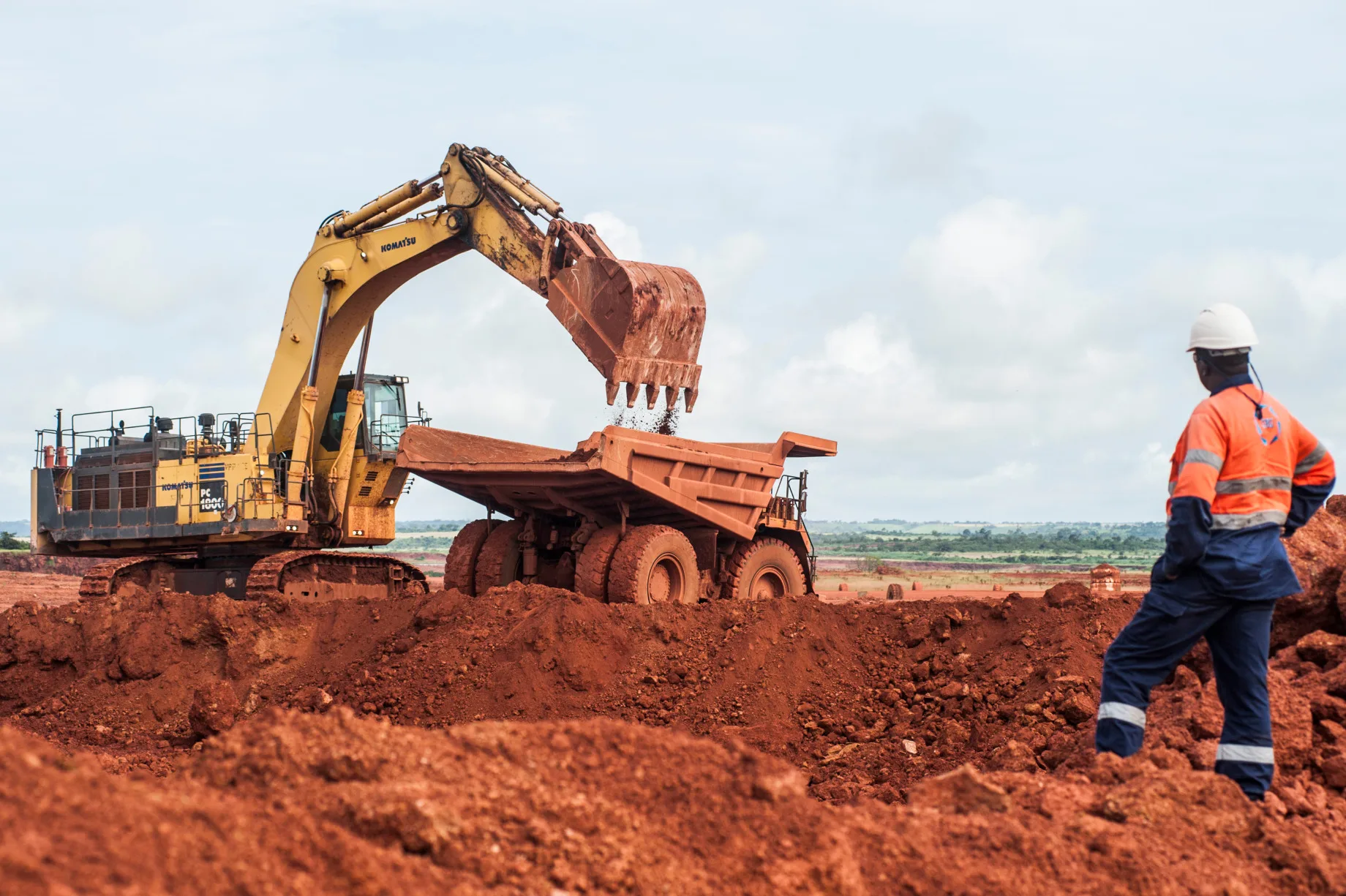
The Simandou iron ore project in Guinea has been a long-awaited and highly contentious project, fraught with political instability, ownership disputes, and corruption claims. Yet, despite the challenges, there are indications that the largest untapped reserve of high-grade iron ore in the world may finally be developed.
The project, initially awarded to Rio Tinto in 1997, has faced numerous obstacles that have delayed its development. These challenges have made potential investors hesitant, despite the estimated presence of over 2 billion tons of iron ore. The main Simandou reserves are now controlled by two separate consortia, with significant involvement from Chinese companies, underlining China’s immense demand for the iron ore.
Disagreements over how to transport the ore have also been a major hurdle. The Guinean government has insisted that the iron ore be exported from a Guinean port, necessitating the construction of a long railway through the Simandou Mountains, with significant engineering challenges. However, after much negotiation and disagreement, a joint logistics firm, Compagnie du Transguinéen (CTG), was formed, with both consortia jointly financing and owning all rail and port infrastructure.
The logistics deal has paved the way for production to begin earlier than expected, with Rio Tinto anticipating a start date in October 2025. The project aims to reach a combined output of 120 million tons per year, making the railway the highest-capacity heavy-haul line in Africa.
The total investment for the entire project is estimated to be around $25 billion, with Simfer accounting for 5% of total global seaborne iron ore supply when the project is completed. However, concerns from environmental and human rights groups, as well as the potential for future political instability in Guinea, remain ongoing challenges for the project.
Human Rights Watch has raised objections to the project, citing threats to local communities’ access to land and water, as well as the impact on critically endangered chimpanzee populations. Yet, the high iron content of the ore remains attractive to steelmakers seeking to reduce emissions through lower emission production techniques.
The political landscape in Guinea also adds another layer of uncertainty, with the country under military rule and facing sanctions imposed by the Economic Community of West African States. The potential for future political power struggles and demands being imposed on developers remains a significant concern.
Despite these challenges, the Simandou iron ore project could prove to be a lucrative venture, with the high-grade ore serving the needs of the steel industry and potentially contributing to a shift toward lower emission production techniques. However, the project’s success will depend on navigating complex logistical, environmental, and political challenges in Guinea.