Rédaction Africa Links 24 with Guardian Nigeria
Published on 2024-03-09 02:07:30
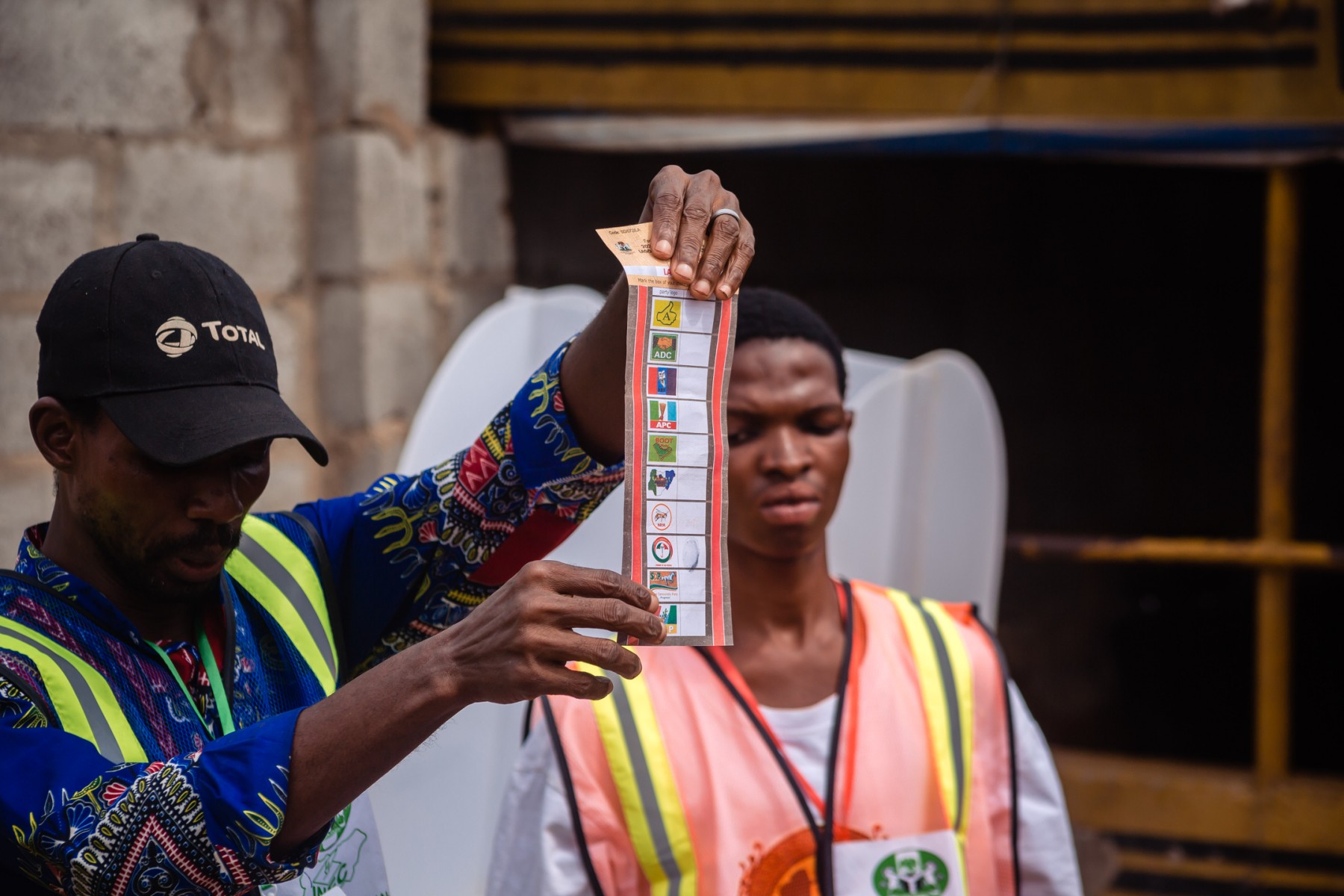
A recent report issued by the Kimpact Development Initiative (KDI) has unveiled a discrepancy between the results declared by the Independent National Electoral Commission (INEC) and those available on the INEC result viewing portal (IREV) for the off-cycle governorship elections held in Bayelsa, Imo, and Kogi states on November 11, 2023. The NGO, which focuses on promoting good governance and democratic rights, highlighted that this inconsistency indicates significant irregularities within Nigeria’s electoral system.
Despite KDI’s findings, INEC maintained that it conducted fair and credible elections in Bayelsa, Kogi, and Imo. The electoral body mentioned that there were discrepancies in KDI’s report presentation. Presenting the report in Abuja, Bukola Idowu, the Team Lead of KDI, explained that the study was conducted under the Ballot Integrity Project (BIP), analyzing the election results data accessible on IReV and assessing the overall integrity of the electoral process in the aforementioned states.
The report identified ongoing challenges such as discrepancies in accreditation figures and instances of missing ballot incidents, indicating underlying weaknesses in the election management system. It also shed light on how the current vulnerabilities could potentially enable human errors or other irregularities at the polling unit level to slip through the subsequent audit layers at ward and local council levels.
The analysis encompassed all 10,168 Polling Units (PUs) forms EC8A uploaded on IReV, focusing on 2,202 PUs in Bayelsa, 4,556 PUs in Imo, and 3,410 PUs in Kogi. The document highlighted that out of the total, 302 polling units’ results were not uploaded to IReV across the three states, with explanations provided by INEC for only 75 of these cases.
The report spotlighted a particular inconsistency following the 2023 off-cycle governorship elections in Bayelsa, Imo, and Kogi, where election day voting was designated for 10,470 polling units, excluding a marginal number in Imo and Bayelsa without registered voters. Surprisingly, IReV displayed only 10,168 uploaded polling unit results, leaving 302 results conspicuously missing at the time of the report.
Further investigation revealed that the missing results were not simply canceled; instead, anomalies such as overvoting, BVAS failure, or violence disruptions were documented in the uploaded results on IReV. Although INEC took actions to suspend the electoral process in 75 polling units in response to the pre-filled result sheet controversy in Kogi State, the remaining 227 polling units remained excluded from the portal.
While the absence of details regarding 227 polling units may not significantly influence the overall election outcome, the report emphasized the importance of transparency, accountability, and effective communication between Election Management Bodies (EMBs) and voters. It raised concerns about the fundamental principles underlying the electoral process and called for greater scrutiny and oversight to ensure the integrity of future elections.
Read Original article on The Guardian