Rédaction Africa Links 24 with Guardian Nigeria
Published on 2024-02-02 17:18:39
The Independent National Electoral Commission (INEC) is set to conduct a rash of re-runs and by-elections in nine states, a year after the controversial 2023 general polls. The upcoming elections will test whether the electoral body has learned lessons from the last outings, and stakeholders have expressed cautious optimism about the potential for free, fair, and credible elections.
The approval of a N40 billion budget for the electoral body this year has raised hopes that INEC will conduct successful elections, not only in the upcoming re-runs and by-elections, but also in the forthcoming Edo and Ondo governorship polls. However, some stakeholders believe that INEC has always had the resources to conduct credible elections, but glitches that marred previous elections occurred to achieve a predetermined outcome. Nonetheless, it is clear that the upcoming elections will be a litmus test for INEC as it conducts by-elections in nine states to fill two senatorial seats, four for House of Representatives, and three state constituencies. A total of 74 candidates will be taking part in the elections.
These by-elections have arisen from the resignation or death of elected lawmakers, resulting in vacancies declared by the presiding officers of the National Assembly and the state houses of assemblies. Additionally, re-run elections arising from the 2023 general elections, as directed by Election Petition Appeal Tribunals, will be conducted in 35 constituencies. In total, 103 candidates from various political parties have been cleared by INEC to participate in these elections.
The upcoming elections will address vacancies in various federal and state constituencies, including high-profile positions such as the Surulere Federal Constituency I, formerly held by the ex-Speaker of the House of Representatives, Femi Gbajabiamila, and the Ebonyi South Senatorial District, previously held by Senator Dave Umahi. As political parties prepare to contest the elections, they are requesting that INEC be non-partisan and conduct the elections better than the 2023 general election.
Despite the controversy surrounding the previous general elections, the prevailing sentiment among stakeholders is cautious optimism. Many are hoping that INEC can redeem itself, regain the trust and confidence of the people in electioneering, and address voter apathy. Political parties and citizens alike are looking to INEC to ensure the elections are conducted transparently, fairly, and credibly.
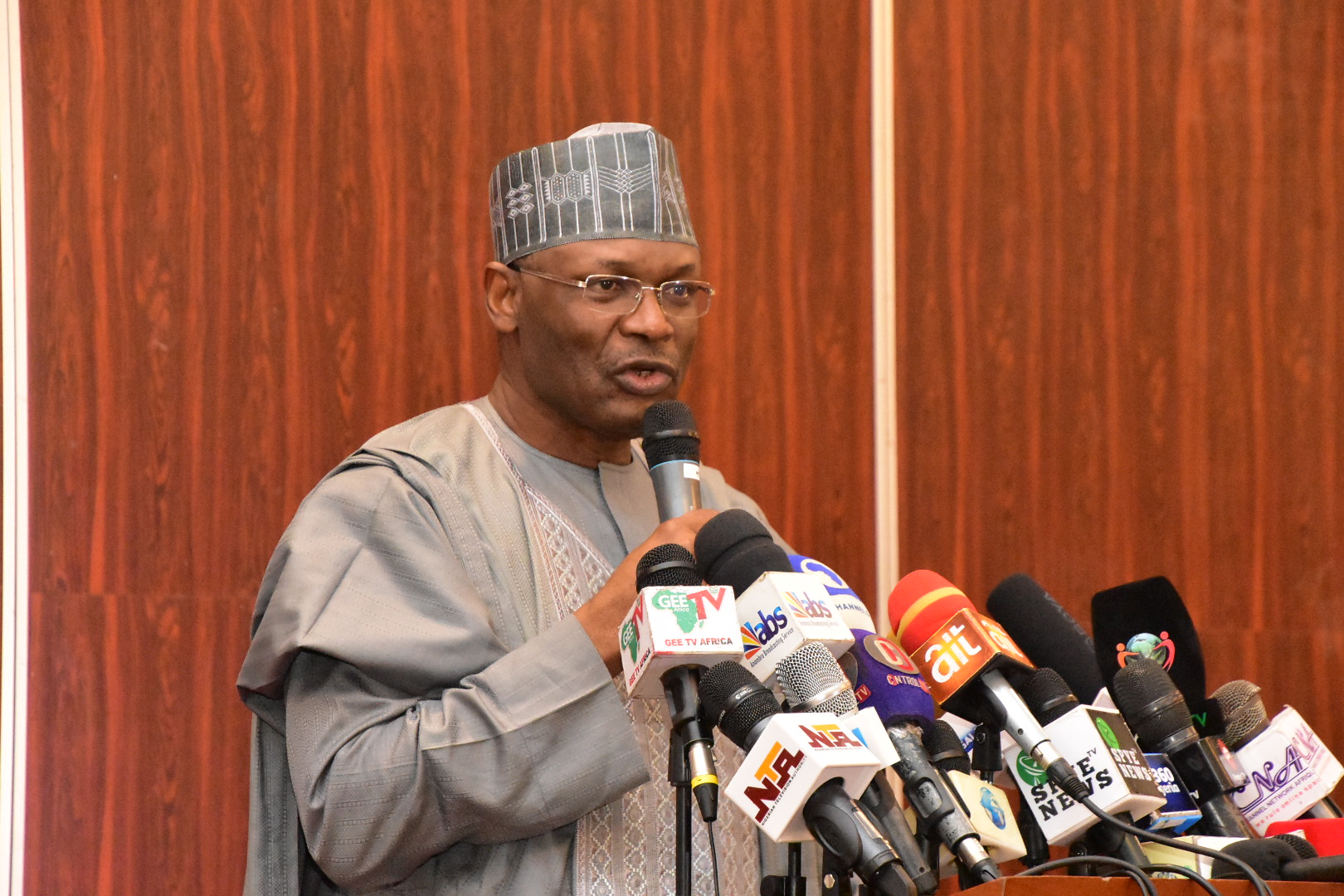
In response, INEC has vowed to uphold its sacred duty of conducting free, fair, credible, and inclusive elections. The commission has taken measures to ensure the upcoming elections are successful, including meetings with stakeholders, providing avenues for civil society groups to observe the elections, and giving journalists access to polling units. The use of the Permanent Voter’s Card (PVC) and the Bimodal Voter Accreditation System (BVAS) for accreditation and authentication purposes are among other measures that will be employed to ensure a smooth election process.
INEC has also emphasized the importance of avoiding cancellations on Election Day, with plans to take certain actions in the event of law violations. While the commission anticipates potential litigation following the elections, it remains committed to providing a level playing field and conducting credible elections.
In conclusion, the upcoming elections present an opportunity for INEC to demonstrate its commitment to improving electoral processes. With stakeholders and political analysts closely monitoring the commission’s performance, the pressure is on INEC to conduct the upcoming elections with transparency, fairness, and credibility. By doing so, the electoral body can bolster public confidence in the democratic process and contribute to the consolidation of democratic governance in Nigeria.
Read Original article on The Guardian