Rédaction Africa Links 24 with Niccolo Francesco Meriggi, Postdoctoral Research Fellow, University of Oxford
Published on 2024-04-18 13:15:24
In Sierra Leone, nearly 59% of the population resides in remote, rural areas where access to healthcare is hindered by poor road conditions or non-existent infrastructure. This lack of accessibility has contributed to low COVID-19 vaccination rates in the country.
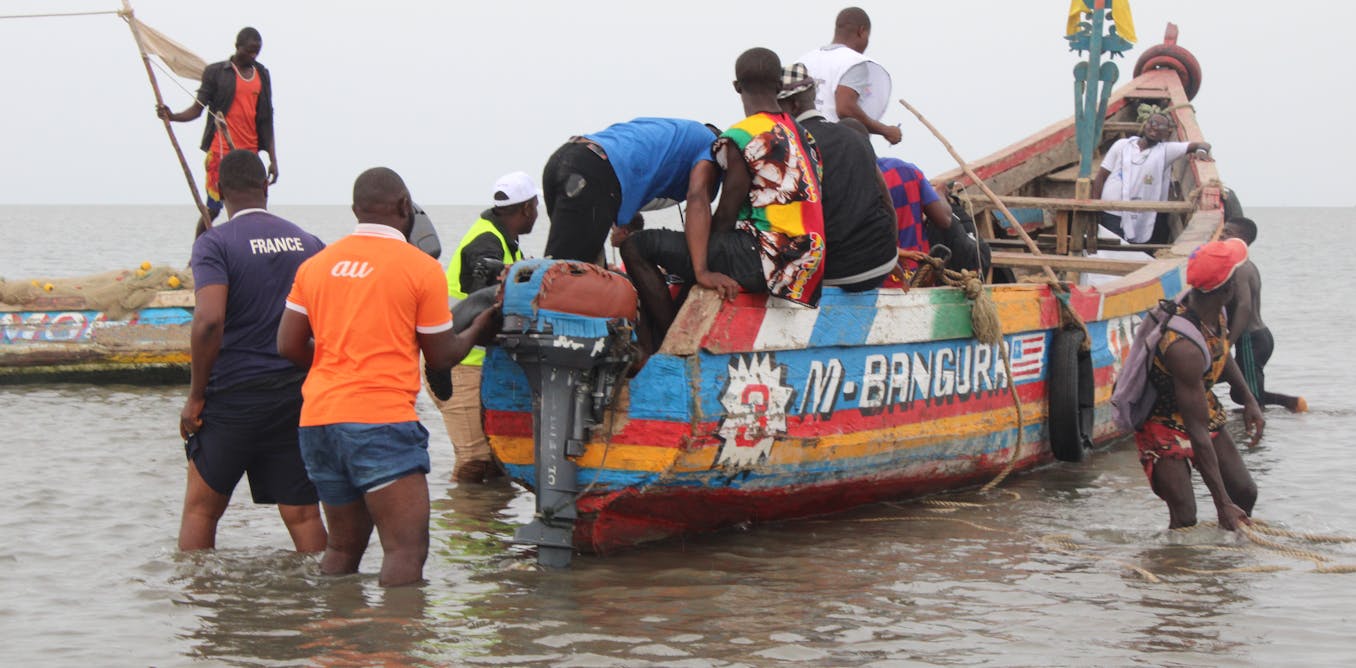
A successful vaccine program was implemented to address this issue, utilizing mobile clinics that reached even the furthest parts of the country, sometimes using motorcycles and boats for transportation. Within three days, the vaccination rates for COVID-19 tripled as a result of this innovative approach.
Development Economist Niccolò F. Meriggi highlights the program’s potential to serve as a blueprint for healthcare delivery in remote regions in Africa.
The disparity in vaccination rates between high-income and low-income countries is staggering, with only 15% of people in low-income countries receiving their first dose compared to 80% in high-income countries by March 10, 2022.
In November 2023, only 33% of the population in Africa had received at least one dose of a COVID-19 vaccine, showcasing the challenges faced by low-income countries in accessing healthcare.
The vaccine drive in Sierra Leone involved taking doses and healthcare workers to rural communities, seeking permission and mobilizing the community beforehand. Village leaders played a crucial role in encouraging eligible community members to receive the vaccine, resulting in a significant increase in vaccination rates.
The cost-effectiveness of last-mile vaccine delivery was evident in this campaign, costing only US$33 per person vaccinated and proving to be 76% more cost-effective than other vaccination campaigns.
By offering a bundle of health products and services, including vaccines for HPV and malaria, routine child immunization, and other essential health supplies, the last-mile delivery approach could be further enhanced to make healthcare more accessible to remote communities.
The ultimate goal is to develop cost-effective strategies to ensure universal access to vaccines and prevent future pandemics. This model could also be adapted to overcome barriers to other life-saving medical interventions. Funding has been secured to expand this approach to include additional health services and further evaluate its feasibility and cost-effectiveness.


