Rédaction Africa Links 24 with Uganda Monitor
Published on 2024-04-13 22:52:51
Kunga is a term in the Luganda language that translates to the mobilisation of the population. However, the National Unity Platform (NUP), Uganda’s largest opposition political party, seems to have created more division than unity through its Kunga initiative.
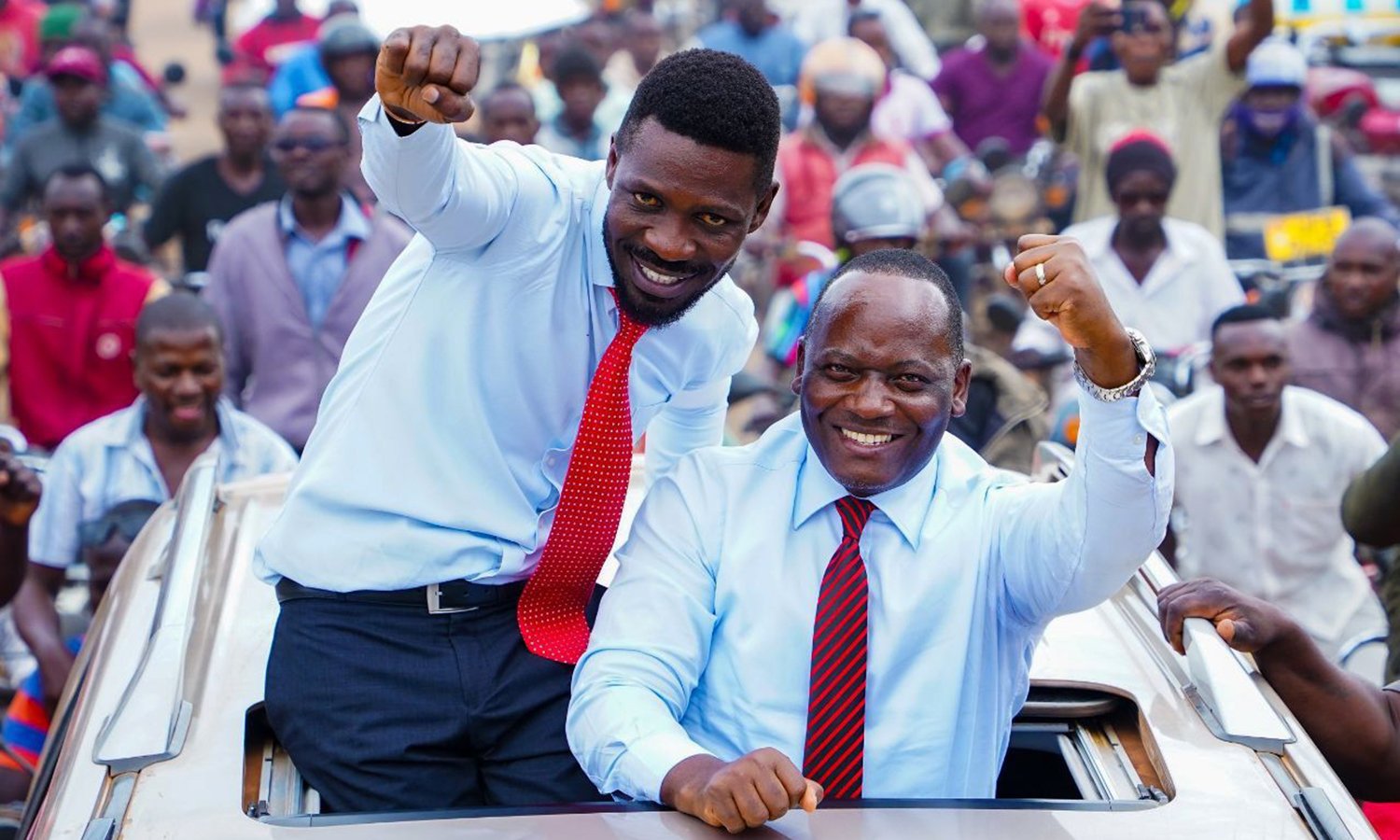
Fred Nyanzi, the party’s mobilisation chief, spearheaded the launch of Kunga last year with the aim of revitalizing the party’s structures nationwide. Despite initial skepticism from the media, Nyanzi, also the brother of NUP’s founding president Bobi Wine, pushed forward with the initiative.
The launch of Kunga was a response to the demoralization felt by the party’s supporters following the events surrounding the 2021 elections, including kidnappings and disappearances. The aim was to reinvigorate the party and engage with the population at large.
Kunga began to show results as it supported Bobi Wine’s countrywide tour, rallying supporters in various regions before being halted by police for alleged breaches of guidelines. The police cited incidents of public disorder, property damage, and accidents during NUP activities as reasons for their intervention.
Despite the launch of Kunga, internal divisions within the party emerged, with Bobi Wine cautioning against such conflicts. The rift widened in the Masaka area, where allies of Mathias Mpuuga, NUP’s former Leader of Opposition in Parliament, accused Nyanzi of undermining Mpuuga through Kunga.
Mpuuga’s allies claimed that Nyanzi’s parallel structures under Kunga were intended to diminish Mpuuga’s influence in the party. The conflict highlighted a power struggle between the national leadership in Kampala and regional leaders like Mpuuga in Buganda and Masaka.
The dispute escalated when Nyanzi’s coordinator, Alice Nanungi, was positioned to challenge Mpuuga in the party primaries for the Mukungwe-Nyendo constituency. The tension between Mpuuga’s camp and NUP’s central leadership threatened to weaken the party’s standing in Buganda and Masaka.
The fallout from Mpuuga’s removal as Leader of Opposition and subsequent transitions within the party further exacerbated the rifts within NUP. Mpuuga’s camp sought to suspend Kunga activities in Masaka, emphasizing the need to focus on regions where NUP had performed poorly in the previous election.
The internal strife within NUP raised concerns that the ruling party, NRM, could exploit the divisions to regain ground in Buganda, a stronghold that NUP had secured in the 2021 elections. Nyanzi acknowledged the risks of internal conflicts playing into the hands of NRM but remained confident in NUP’s support in Buganda.
As NUP grappled with internal challenges and power struggles, the fate of Kunga Uganda remained uncertain. While Mpuuga’s allies questioned the legitimacy of Kunga structures within the party’s constitution, Nyanzi maintained that they were provided for under the new constitution, which has yet to be made public.
The internal divisions within NUP underscored the challenges faced by opposition parties in Uganda and the need for unity to confront the ruling party’s strategies of sowing discord among their ranks. As NUP navigated its internal dynamics, the future of Kunga and the party’s cohesion remained uncertain.
Read the original article on Uganda Monitor