Rédaction Africa Links 24 with Uganda Monitor
Published on 2024-03-02 06:44:11
A piercing scream shattered the silence of the night on September 8, 2013, jolting Florence Elaborot awake in her small village. The time was around 3am when her daughter, Dorothy Atim, yelled in the Ateso language, “Toto, toto, aiar eong Obirai! Toto , toto, aiar eong Obirai!” Translated into English, it meant, “Mummy, mummy, Obirai has killed me! Mummy, mummy, Obirai has killed me!”
Disoriented and still half-asleep, Ms Elaborot bolted out of bed and rushed to her daughter’s side. To her horror, she found Atim lying on the verandah, drenched in a burning liquid. Deep grief and anger flooded her heart as she witnessed the scene, unknowingly getting scarred herself by the acid that had splashed during her frantic attempts to help her daughter.
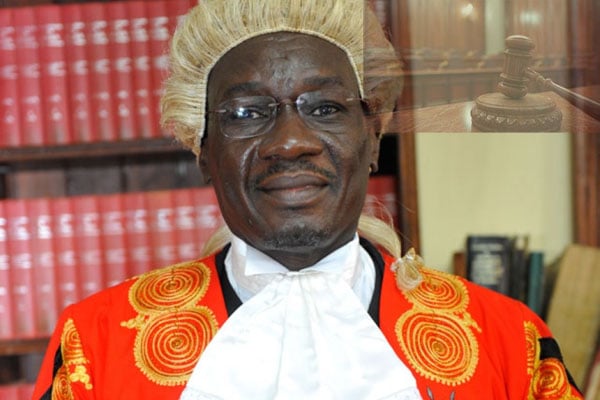
Desperate to alleviate Dorothy’s agony, Ms Elaborot and her son, Isaac Joab Ochodoi, along with concerned neighbors, tried to wash away the corrosive substance with water, but their efforts were in vain. The tragic incident led to the court case that eventually saw Andrew Francis Obirai convicted of Atim’s murder and sentenced to 50 years in jail by High Court Judge Henry Peter Adonyo.
Jacquelyn Okui, the spokesperson of the Office of the Director of Public Prosecutions (ODPP), emphasized that the verdict served as a stark reminder of the consequences of such inhumane acts and highlighted the justice system’s commitment to seeking justice.
The trial was a rollercoaster of emotions as Obirai was initially charged with murder and convicted, only for the appeals court to order a retrial due to technicalities. During the retrial, the prosecution team led by Assistant Director of Public Prosecution Alex Bagada presented a strong case, including testimonies from witnesses such as Ms Elaborot, medical experts, and police officers.
Dr. William Male Mutumba, a seasoned pathologist, detailed the post-mortem examination he conducted on Atim’s body, revealing the horrifying extent of her injuries caused by the corrosive acid. Musa Kasoni Wakabi, a government analyst, confirmed the presence of highly toxic acid in the liquid found at the crime scene.
The court relied on circumstantial evidence, as there was no direct proof of Obirai’s involvement in the murder. Atim’s statement recorded before her death, along with testimonies from witnesses, played a crucial role in establishing Obirai’s guilt. Despite his denial and alibi, the court found him guilty of acting with malice aforethought, ultimately leading to Atim’s tragic death.
The gruesome details of Atim’s suffering at the hands of her assailant painted a heart-wrenching picture of the consequences of such heinous crimes. The court’s decision to hold Obirai accountable for his actions underscored the legal system’s commitment to delivering justice for the victims of such atrocities.
In conclusion, the tragic case of Dorothy Atim serves as a reminder of the devastating impact of acid attacks and the importance of seeking justice for the victims. The court’s decision to convict Andrew Francis Obirai and hand down a severe sentence sends a strong message that such acts of cruelty will not be tolerated in society. Justice may have been served, but the scars of that fateful night will forever remain etched in the hearts of those who witnessed the horror unfold.
Read the original article on Uganda Monitor