Rédaction Africa Links 24 with Abdelh
Published on 2024-03-16 13:03:10
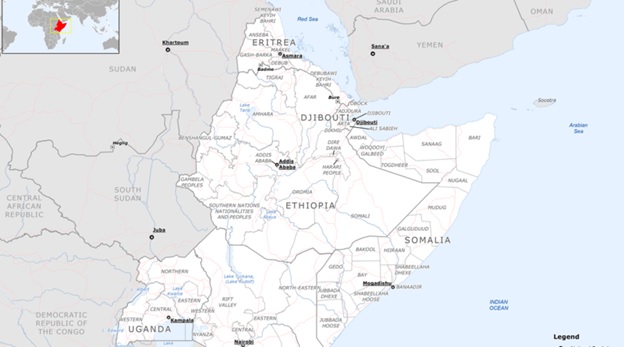
Zaylac, also known as Zayla’, has recently become the subject of discussion due to a deal between the administration of ‘Somaliland’ in northwestern Somalia and the government of Ethiopia. The Ethiopian government claims historical maritime rights over the regional coast, while some academic speculations suggest that Zaylac’s Islamic influence was minimal before the 13th century, potentially influenced by Abyssinian presence in the 10th-12th centuries. However, historical records contradict this speculation. This article critically examines the nature of these speculations and their political implications by comparing historical evidence with contemporary commentary.
Zaylac’s history dates back to the first half of the first century CE under the names Avalite or Awalite. Its ancient Egyptian name, Port of Isis, was recorded by the Roman geographer Pliny the Elder. Early Muslim scholars also referred to it as a jazeera, meaning island or bay. The name Zaylac first appeared in the early Muslim records around 880, indicating Muslim involvement in the city. The accounts of early Islamization in Zaylac suggest a gradual rise of a Muslim community around 750 or earlier, with descendants splitting up from that time. These accounts are supported by archaeological findings that reveal the presence of Islam and international trade in the Berbera area during the 11th-12th centuries.
However, the historical sovereignty of Zaylac has been distorted by mistranslations of regional names and misinterpretations of historical records. The term ‘Aethiopia’ was erroneously reduced to Abyssinia, leading to the mislabeling of Somali trade activities and places as ‘Ethiopian’ in modern records. Additionally, the interpretation of al-Mas’udi’s account of Zaylac has led some scholars to mistakenly believe that the port was under the authority of Abyssinia. In reality, medieval writers used the term ‘Ḥabasha’ to refer to various societies in the Horn of Africa, including Somalia, and did not specifically mention Christian presence in Zaylac.
In conclusion, the history of Zaylac is a complex tapestry of cultural interactions, trade activities, and religious influences. By examining historical evidence and challenging prevailing narratives, it becomes clear that Zaylac played a significant role in the Islamization of the region and was a hub for international trade. It is essential to reevaluate historical accounts and avoid projecting modern biases onto the past in order to gain a deeper understanding of the rich history of Zaylac and its significance in the Horn of Africa.
Read the original article on Wardheer News