Rédaction Africa Links 24 with Oluwadara Pelumi Omotayo, Postdoctoral Research Fellow, North-West University
Published on 2024-03-27 16:02:40
Mycotoxins are toxic substances produced by mold that can contaminate food, posing a danger to humans and animals if consumed. The Food and Agricultural Organization (FAO) estimates that approximately 25% of the world’s agricultural harvests are contaminated by mycotoxins, with Africa being particularly affected. Aflatoxin, a common type of mycotoxin found in cereal crops, has been linked to health issues such as chronic gastritis, diarrhea, kidney problems, and liver cancer.
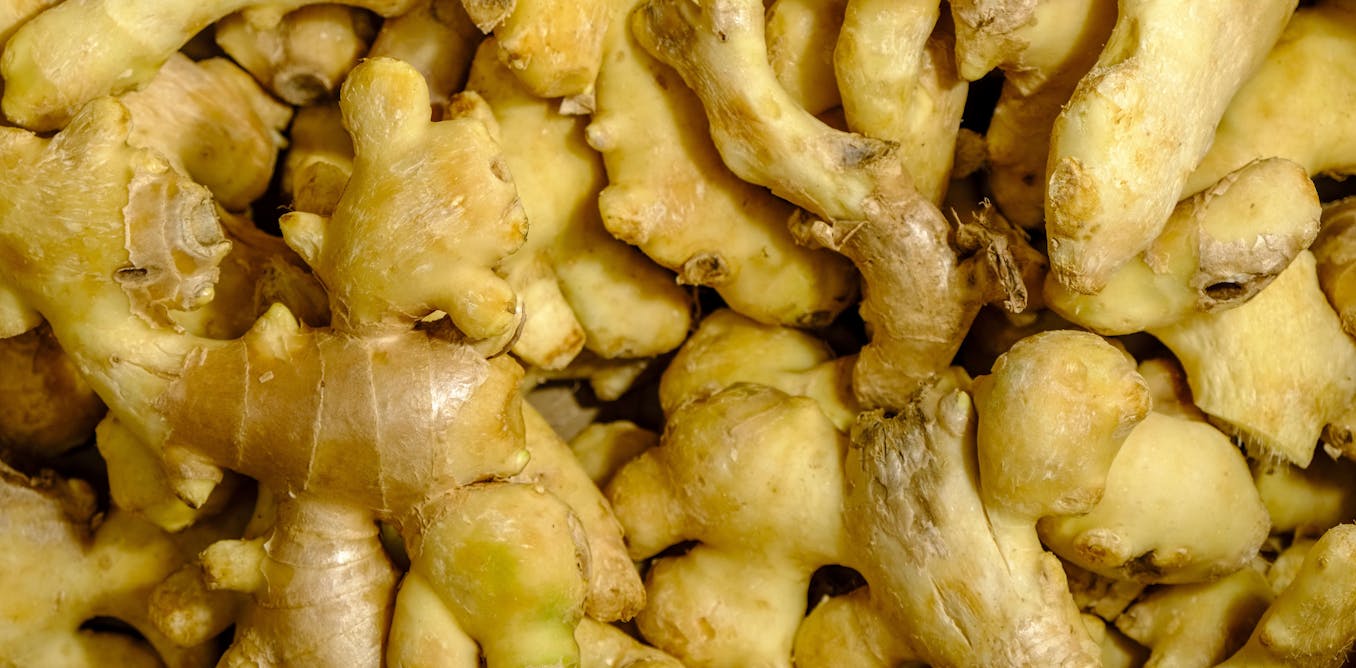
Biologist Oluwadara Pelumi Omotayo conducted a study on mycotoxins contaminating ginger in South Africa. Mycotoxins are produced by toxigenic fungi, with one mold species capable of producing multiple types of mycotoxins. These toxins are widespread, thriving in warm and humid environments both indoors and outdoors.
Exposure to mycotoxins can lead to a range of illnesses, including cancer, hepatic diseases, kidney issues, nephropathy, and gastrointestinal problems. In severe cases, mycotoxins can even be fatal. Hundreds of different mycotoxins have been identified, with popular contaminants like aflatoxin, ochratoxin, and fumonisin found in grains like maize.
Humans can come into contact with mycotoxins by consuming contaminated food, absorbing them through the skin, or inhaling polluted air containing fungal spores. Foods commonly tainted by mycotoxins include spices, grains, nuts, fruits, coffee beans, and rhizomes like ginger.
To prevent mycotoxin contamination, farmers and consumers should inspect crops for mold growth, discard contaminated food, and implement proper storage and handling practices. Cultivating and harvesting crops at the right time, reducing stress on plants, and ensuring proper storage conditions can help minimize the risk of mycotoxin exposure.
Overall, raising awareness about mycotoxin contamination and taking proactive measures before and after harvest can help protect against the harmful effects of these toxins on both human health and agriculture.


