Rédaction Africa Links 24 with Actuguinee.org
Published on 2024-04-12 23:32:52
The Simandou project is making great progress, after years of work instances, agreeing discussions, and very conclusive and reassuring technical studies on all fronts, both the State and its partners are moving in the right direction and embarking on another crucial and fruitful stage of the project. According to the latest press release related to the project, all efforts have been pooled to finally conclude the last phases of negotiations, resulting in numerous signings of contractual documents on April 2, 2024, and a series of ratifications of three (3) project agreements by the National Transitional Council on February 3, 2024, under the leadership and foresight of His Excellency General Mamadi Doumbouya.
The financing of the project is no longer a constraint for the current authorities, with an estimated amount of $15 billion reserved solely for the construction of over 650 kilometers of railway infrastructure between the port and the mining site, and the port facilities by the end of 2025. The press release also mentions the socio-economic benefits for Guinea, including: ownership by the Compagnie du Trans-Guinéen (CTG) for thirty-five (35) years of assets, as part of a joint venture between the Guinean State (15%), Rio Tinto Simfer (42.5%), and Winning Consortium Simandou (42.5%), retaining a fully multi-user and multi-purpose character with transparent, attractive, and competitive tariffs; new fiscal regimes ensuring equitable sharing of future mining revenues, with higher, predictable, and diversified direct tax revenues; a comprehensive and ambitious regulatory framework focusing on higher environmental, social, and governance standards; and an integrated and ambitious local content plan aimed at creating jobs, preference for Guinean companies, and facilitating technology transfer.
Unfortunately, some significant issues have not yet been addressed or anticipated by most of our authorities responsible for carrying out mining expertise work, particularly during the negotiation phases of rent-sharing assumptions and mining agreements, revealing paradoxically the realities in the aftermath of structural reforms, other contractual agreements, and also during the evaluation of development programs following their predefined objectives and resources.
In the same context, our last hope has reached a point of no return or irreversibility, as indeed many mining projects in Guinea face enormous challenges and issues, some of the most visible, factual, and deserving of particular attention by our authorities to better safeguard the nation’s and all present and future generations’ best interests include: the financial structure of the project and the “cost of capital,” with all the destructive fiscal and financial consequences related to assumptions of increasing or reducing mining rent between stakeholders in the short, medium, and long term, often to the detriment of African countries, including Guinea, which may not be able to escape them in the future if diligent measures are not taken or considered today before the enactment of these various laws.
For instance, the State’s 15% stake in the Compagnie du Trans-Guinéen, considered a free and non-dilutive participation, could be significantly increased to at least 35% based on the mining logic of the 21st century and beyond, which would give the other mining partners the remaining 65% stake in CTG, “based simply on the fundamental arguments for reclassification of certain assets held by the State in the eyes of industry experts in the field.” Unfortunately, these essential elements no longer hold value in the eyes of our mining experts even in the 21st century. Nevertheless, these lands hosting our iron ore and other mineral substances do not require requalification to recognize the values of customary or state ownership rights to reward our brave men and women who preceded us. These concrete examples and several others can fall under the hypotheses of legal, fiscal, economic, accounting, and financial innovations in the African mining context to raise the State’s stake to at least 35% in CTG and others.
The mining models including the industrial, technical, and technological assets referred to herein are only extractive properties for internal, external, and virtual mining partners, established over the years and recognized as an integral part of the mining culture on the international and national stage. These extractive assets are often confused with financial models in most mining countries in disproportionate pursuit of this expertise, yet they are Responsible for the drastic reduction in extractive revenues and mining rents between stakeholders, often resulting in significant fiscal losses for Africa.
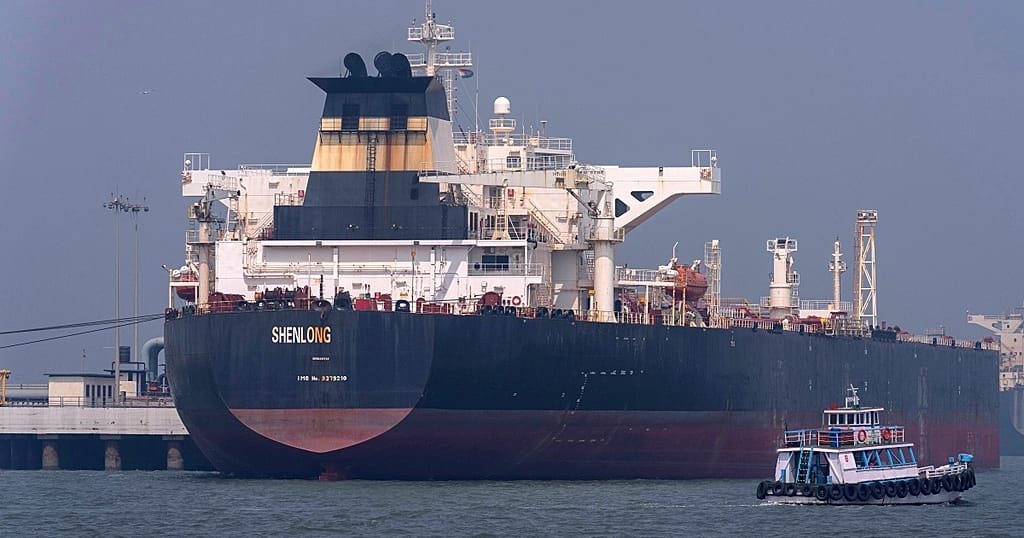
For example, all practices of eroding the tax base are found in these mining models with issues of the actual ownership of the extractive sector. What are the economic and financial benefits provided to the Guinean State for mining activities such as mining operations, shipyard activities, maintenance, and repair of ships and other port equipment? Essentially, all these other assets not described belong to the other mining partners. These major challenges threaten our mining identity and future generations, so let us act today before engaging future generations in mining deprivations like most of the projects classified among old stories still relevant for generations due to our mining culture.
Therefore, here are some solutions and recommendations before the enactment of laws to safeguard the interests of the Guinean Nation and future generations: not only rely on the 15% stake in CTG for the country, it could be increased to at least 35% today based on advanced mining innovations in the African context, which is the only structural guarantee alternative for State revenues; organize a national meeting with all specialists in mining issues to save and secure our mining sovereignty and identity, Responsibilities, and Accountability of the “Mount Simandou” project to future generations to address major risks before ratification of certain clauses and enactment; distinguish between financial models of mining projects and mining models applied in Developing Countries disproportionately seeking this mining expertise, often Responsible for our miseries and disappointments in the mining and oil sectors. To conclude, we can recommend other more technical, exceptional solutions to structure and further safeguard the interests of the nation and future generations, which will depend on the major challenges raised and their consequences on the capital structure and the announced extractive property mining models. Otherwise, Guinea is already starting as the loser of its battle and will be a mere observer of many unwanted events in the future. Once again, success in mining lies in continuous innovation, so let us innovate to safeguard the interests of future generations, if we have not truly been saved somewhere, moral duty and patriotic contribution require it from everyone.
Abdoulaye SOUMAH
PhD in Budget and Tax Policy of Extractive Industries in Developing Countries – Founder and Manager of Cabinet Inteex-Sarl.
Read the original article(French) on Actu Guinea