Rédaction Africa Links 24 with Uganda Monitor
Published on 2024-04-04 04:00:00
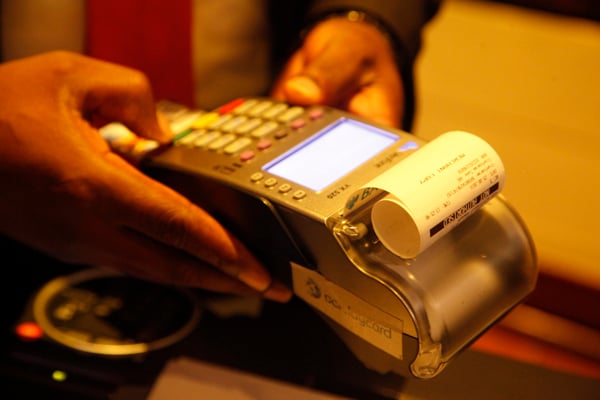
The government of Uganda has put forward a proposal to implement a 0.5 percent levy on all withdrawals made through agent banking services. This proposed levy is outlined in the Excise Duty (Amendment) Bill 2024, which, if passed, will take effect in July 2024. The levy will apply to all cash withdrawals facilitated through a payment system or agent banking, excluding withdrawals provided by financial institutions or microfinance deposit-taking institutions. This new tax will be imposed in addition to the current practice of financial institutions charging a fee of Shs2,500 per transaction conducted through agent banking, along with a 15 percent surcharge on the transaction fee.
This proposed levy marks the first time that the government is considering a direct tax on agent banking transactions since its introduction in Uganda in 2017. A similar 0.5 percent levy is already charged on mobile money transactions, which was introduced in 2018. Ms. Juliet Nagginda, a tax manager at PwC, expressed concerns that this new tax may negatively impact the government’s goal of promoting financial inclusion, particularly in rural areas where traditional banks are scarce. She emphasized that the tax could deter financial institutions from offering safe and affordable financial services through agent banking.
The introduction of this levy is part of a broader effort by the government to enhance domestic revenue mobilization, with a target of increasing the tax-to-GDP ratio by 0.5 percent annually. This aligns with the government’s objective of raising the tax-to-GDP ratio from the current 14 percent to a range of 16 to 18 percent. These proposed tax measures come after a period of over three financial years during which the government focused on economic recovery in the face of challenges like the Covid-19 pandemic and the Russia-Ukraine conflict.
However, the implementation of these new taxes is expected to raise the cost of services, ultimately impacting consumer prices. Data indicates that over Shs6.8 trillion is transacted through agent banking monthly, involving a network of more than 11,000 agents. Mr. Wilbrod Owor, the executive director of the Uganda Bankers Association, which operates a shared agent banking platform, indicated that they are evaluating the government’s tax proposals and will engage with relevant stakeholders to navigate the implications effectively.
In conclusion, the government’s proposal to introduce a 0.5 percent levy on agent banking withdrawals represents a significant development in the taxation of financial services in Uganda. As stakeholders assess the potential impact of this levy, collaboration between industry players and government authorities will be crucial to achieving a balanced outcome that supports both revenue generation and financial inclusion objectives.
Read the original article on Uganda Monitor