Rédaction Africa Links 24 with Uganda Monitor
Published on 2024-03-08 03:32:14
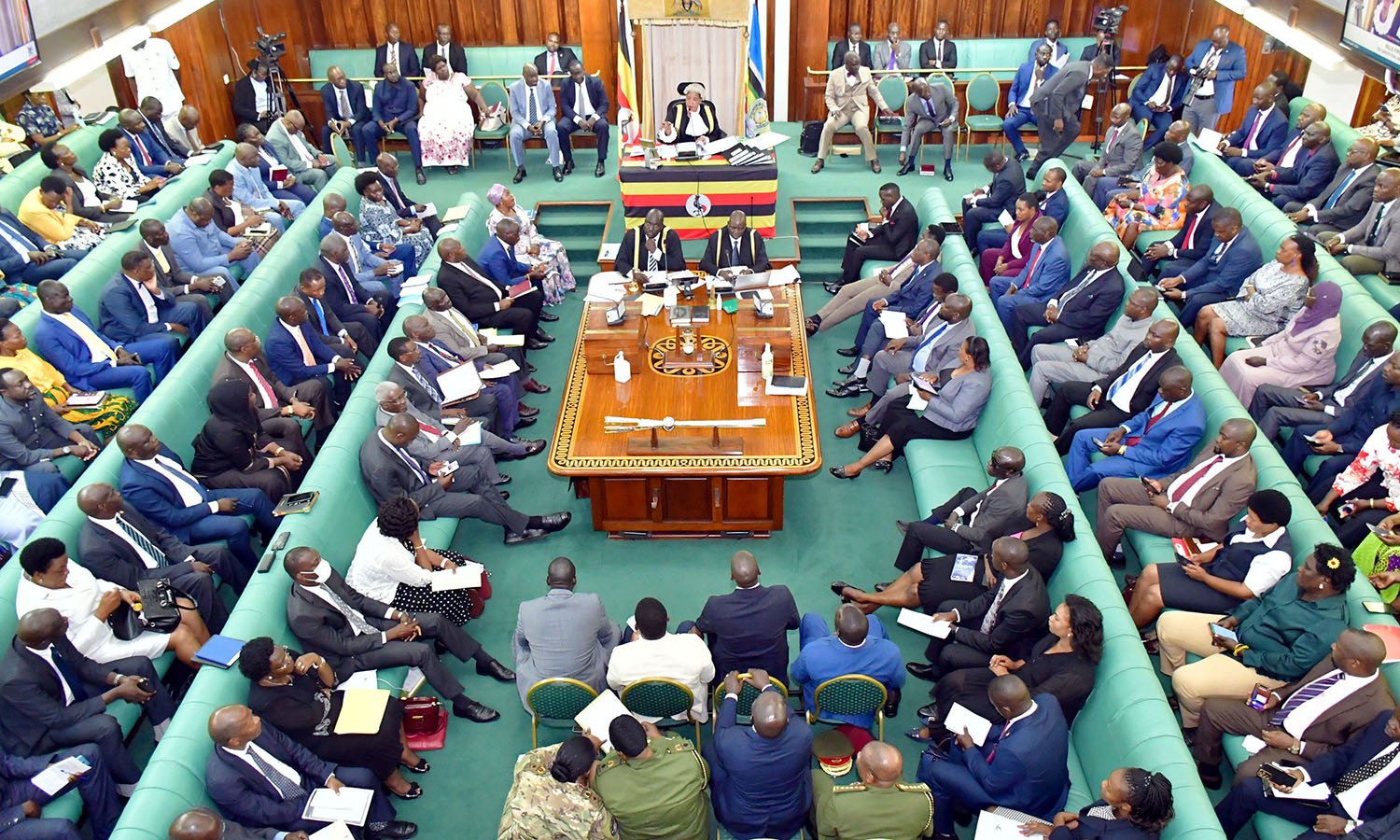
Dark clouds have descended upon Parliament, revealing possible financial misconduct involving billions of shillings in suspect allowances that implicate both staff and leadership. This has sparked calls for the establishment of a national salary and remunerations agency to bring parity and rationality to public sector pay.
The recent revelations bring to mind the 2009 expenses scandal in the UK, where members of the British Parliament were embroiled in a major political disgrace over false claims for reimbursement. The current situation in Parliament highlights the need for transparency and accountability in the handling of public funds.
The disclosure of widespread misuse of allowances and expenses in the UK led to the establishment of the Independent Parliamentary Standards Authority in 2010 to ensure fairness and transparency. Similarly, reforms should be implemented in the 11th Parliament to address the alleged misconduct.
While Parliament is not solely responsible for the scandal, its self-governing and self-budgeting rules give it almost limitless authority to determine facilitation, emoluments, and gratuity for MPs. This power, granted under Article 85 of the Constitution, can be open to abuse if left in the hands of irresponsible individuals.
The doctrine of separation of powers in the Constitution was meant to ensure accountable government through checks and balances between the three arms of government. However, recent history has shown MPs engaging in upward revisions of their entitlements, calling for the enactment of specific laws to regulate their privileges.
It is crucial for Parliamentarians to adopt reforms similar to those in the UK or Kenya, where MPs’ emoluments are clearly outlined in the Retirement Benefits Act. This would serve as a safeguard against abuse of public funds and ensure accountability in the use of taxpayers’ money.
As the Inspectorate of Government conducts an inquiry into corruption in Parliament, questions are raised about the Speaker’s involvement in ‘community outreach’ programs where significant amounts of money have been used for donations to constituents. This raises concerns about accountability and the proper use of public resources.
In conclusion, the recent revelations of financial misconduct in Parliament highlight the urgent need for reforms to ensure transparency, accountability, and proper governance. Establishing a national salary and remunerations agency, enacting specific laws to regulate MPs’ privileges, and ensuring oversight of public funds are necessary steps to prevent future scandals and restore public trust in the integrity of the institution.
Read the original article on Uganda Monitor