Rédaction Africa Links 24 with Ghanaian Times
Published on 2024-02-23 07:49:50
A recent study on reproductive health has brought to light the shortcomings of sexual education programs in Ghana, despite the efforts of the government and civil society organizations to prepare young people for a successful and healthy transition to adulthood. The study found that these programs are often delivered late in adolescence, failing to acknowledge that many youth are already in sexually active relationships.
Research conducted in the Ashanti and Northern regions of Ghana revealed that young people in these areas have a limited understanding of reproductive health rights and marriage. It also showed that there is a lack of detailed and accurate knowledge about sexual and reproductive health among youth, and communication about sex between couples is generally insufficient prior to their first sexual encounter.
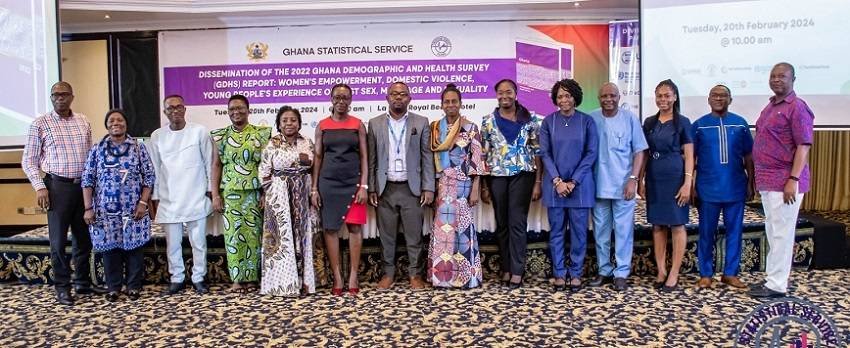
The qualitative study, titled “Agency, Consent, and Coercion: Young People’s Experience of First Sex in Ashanti and Northern Regions in Ghana,” was embedded in the 2022 Ghana Demographic and Health Survey (GDHS). It was carried out by the Ghana Statistical Service in collaboration with the Ministry of Health and Ghana Health Service, with funding from the United States Agency for International Development.
The main focus of the study was to ensure that young people transition into adulthood in a healthy way that allows them to reach their full potential. It highlighted that the circumstances in which first sexual experiences occur can have a significant impact on the life trajectories, health, and well-being of young people.
The study aimed to investigate the context in which young people engage in first sexual experiences, particularly in relation to coercion. It examined the knowledge of reproductive health and sexual behavior among individuals aged 15 to 29 in the Ashanti and Northern regions.
A total of 154 respondents participated in the study, with 12 clusters in the Ashanti Region (seven urban and five rural) and 13 clusters in the Northern Region (seven urban and six rural). Out of the respondents, 114 were young women and 40 were young men.
The study revealed that four out of five respondents had their first sexual experiences within intimate relationships, while one in five had their first sex with someone they were not in a relationship with at the time. Interestingly, all respondents in the Ashanti Region and all male respondents in the Northern Region reported having their first sexual experience before marriage.
Overall, the study shed light on the gaps in sexual education programs in Ghana and emphasized the importance of addressing these issues to ensure that young people have access to accurate information about sexual and reproductive health. The findings underscore the need for comprehensive and timely sexual education that recognizes the realities of young people’s lives and experiences.
Read the original article on Ghanaian Times