Rédaction Africa Links 24 with Ghanaian Times
Published on 2024-03-27 06:54:26
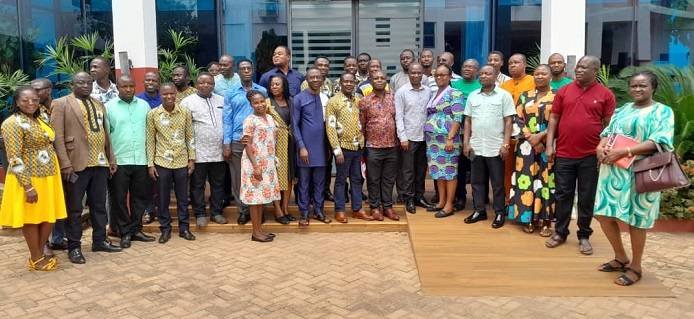
Chief Executive Officers (CEOs) and key personnel of Rural and Community Banks (RCBs) recently participated in specialised training in emotional intelligence in Sunyani, in the Bono Region. The training, facilitated by Addison International, aimed to enhance leadership effectiveness and improve organizational performance. Participants from RCBs in various regions across Ghana, including Bono, Bono East, Ahafo, Savannah, North East, Northern, Upper East, and Upper West, attended the training.
Mrs Comfort Owusu, the Executive Director of the Association of Rural Banks, Ghana, highlighted the significance of empowering leaders within the RCB sector through emotional intelligence training. She stressed the importance of equipping local bank personnel with emotional intelligence to create positive workplace cultures that drive sustainable growth. Emotional intelligence, a globally recognized component of effective leadership, involves the ability to recognize, understand, and manage one’s emotions.
In today’s competitive business environment, where relationships are crucial to success, emotional intelligence plays a pivotal role in driving organizational performance and creating a conducive work environment. RCBs in Ghana have taken proactive steps to invest in the professional growth of their CEOs and key personnel by providing them with the necessary knowledge and skills to navigate interpersonal dynamics, inspire teams, and make sound decisions even under high-pressure situations.
The training sessions covered various aspects of emotional intelligence, including self-awareness, self-regulation, social awareness, and relationship management. Mr Kofi Acheampong, the CEO of Suma Rural Bank, expressed appreciation for the initiative and highlighted the transformative impact of emotional intelligence training on leadership effectiveness and organizational culture. He emphasized the importance of empathy, communication, and conflict resolution skills in building strong relationships with clients, employees, and stakeholders.
Mr James Kwesi Addison, the CEO of Addison International and the facilitator at the training, emphasized the significance of fostering empathy and understanding among leaders to inspire loyalty, enhance employee engagement, and drive customer satisfaction and loyalty. Emotional intelligence training, he explained, is expected to yield broader societal benefits by promoting ethical conduct, diversity, and inclusion within the banking sector.
By investing in the emotional intelligence of their leaders, RCBs are not only strengthening their internal capabilities but also positioning themselves for long-term success in the ever-evolving rural and community banking landscape. Mr Addison commended the organizers for their commitment to continuous improvement and professional development of RCB personnel.
In conclusion, the training in emotional intelligence for CEOs and key personnel of RCBs in Ghana reflects a strategic approach to enhancing leadership effectiveness and organizational performance. By equipping leaders with emotional intelligence skills, RCBs are fostering a culture of empathy, understanding, and collaboration that will benefit not only their institutions but also the broader banking sector in Ghana. The commitment to continuous improvement and professional development underscores the dedication of the Association of RCB, Ghana, to ensuring the success and sustainability of rural and community banking in the country.
Read the original article on Ghanaian Times