Rédaction Africa Links 24 with Ghanaian Times
Published on 2024-03-04 08:54:30
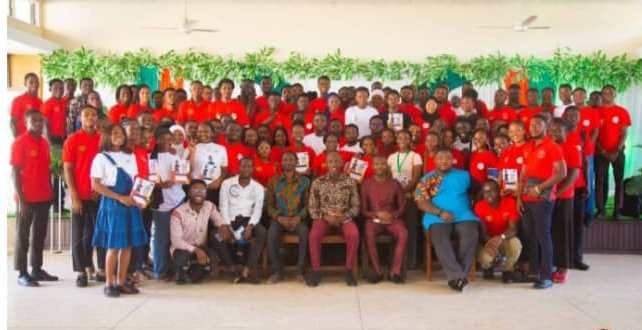
The Kwame Nkrumah University of Science and Technology recently hosted a workshop for peer counsellors and youth groups centered around cyber security and best social media practices. In collaboration with the KNUST Peer Counsellors and the Ghana Internet Safety Foundation, the goal was to enhance the digital well-being of students by equipping them with the knowledge to recognize cyber threats and scams.
During the workshop, participants delved into topics such as cybercrimes, online safety, and safe social media practices. Mr Francis Anarfo, President of KNUST Peer Counsellors, emphasized the importance of educating both peer counsellors and students on cybercrime issues and internet safety practices. He also mentioned plans to organize more awareness programs on digital safety.
Emmanuel Adinkrah, President of GISF, introduced the Cyber Clinic Helpline Application as a tool for promptly reporting harmful online content. Dr. Samuel Tinagyei, a Cyber-Trauma Specialist from GISF, highlighted the psychological impacts of cyber threats on internet users and advocated for the inclusion of mental health support in cyber safety protocols.
Daniel Ofori, a Cyber specialist from the Cyber Crime Unit of the Ghana Police Service, provided practical guidance on reporting cyber incidents and navigating legal procedures. Additionally, Dr. Tim McGuinness, a Board Director at SCARS, shed light on online threat dynamics, empowering counsellors with insights into predatory behaviors and scam mechanisms.
Dr. McGuiness shared valuable tips for combating cybercrime, emphasizing the importance of caution and expertise when tracing suspicious scams to avoid personal risk. He stressed the significance of documenting everything and keeping records of all communications, including emails, texts, phone calls, and relevant websites or social media profiles. Furthermore, he advised verifying sources, researching companies or individuals involved, checking for reviews, complaints, and any history of scams associated with them.
In addition, Dr. McGuiness urged cyber crime investigators to look for official websites when dealing with scams involving government agencies or organizations, ensuring to verify contact information and reach out through official channels.
Overall, the workshop was a success in promoting digital well-being and equipping participants with essential knowledge and skills to navigate the complex landscape of cyber security and social media practices. With the guidance and insights shared by experts in the field, peer counsellors and students at KNUST are now better prepared to protect themselves and others from cyber threats and scams.
By Kingsley Asare
Read the original article on Ghanaian Times