Rédaction Africa Links 24 with Ghanaian Times
Published on 2024-03-22 07:16:00
The National Labour Commission (NLC) issued an order yesterday for the three teacher unions to end their nationwide strike and return to their classrooms while their grievances are being addressed. The unions involved are the National Association of Teachers (GNAT), National Association of Graduate Teachers (NAGRAT), and Coalition of Concerned Teachers (CCT) Ghana. They had jointly announced an indefinite strike due to alleged delays in negotiating their conditions of service and the freezing of salaries by the office of the Special Prosecutor.
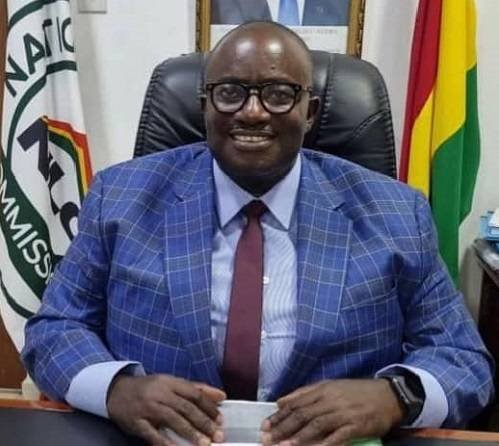
In a statement released in Accra and signed by NLC Chairperson Mr. Kwabena Asuman-Adu, it was highlighted that the strike was not in compliance with Act 651, which requires a written notice of strike action with seven days prior to implementation. The NLC, as per Section 133(1) of the Labour Act, ordered the teacher unions to cancel the nationwide strike declared on Wednesday.
The NLC also summoned the unions to appear before the Commission for a hearing on the dispute. Chief Executive Officer of Fair Wages and Salaries Commission (FWSC), Benjamin Arthur, expressed surprise at the unions’ decision to strike, stating that negotiations were already ongoing to address their demands. He criticized the unions’ actions and called for amendments to labor laws to prevent unilateral strike declarations.
Despite the strike, some schools like St James Anglican and Presbyterian Basic Schools in Teiman, Greater Accra Region, continued classes with all teachers present. Student trainees from Accra College of Education were also seen teaching in classrooms. However, effective teaching and learning were hampered due to the strike.
In Takoradi, at Ketan Catholic School and Trinity Presby Primary and JSS, teachers were present but not engaged in effective classroom work as a result of the strike. Meanwhile, at Bishop Essuah School, the head teacher claimed they had not received official correspondence regarding the strike.
In the Bono Regional capital of Sunyani, pupils were seen loitering around while teachers, though present in schools like Estate Experimental and Methodist basic schools, were not actively teaching. Students mentioned they were informed of the strike and asked to learn on their own. The situation was similar in Sunyani Newtown, where teachers were on strike as per their union leaders’ instructions.
In summary, the NLC’s order to end the strike by teacher unions in Ghana highlights the need to address grievances through negotiation and compliance with legal processes. The impact of the strike was felt in various regions, disrupting normal teaching and learning activities in schools while teachers awaited resolution of their demands.
Read the original article on Ghanaian Times