Rédaction Africa Links 24 with Africanews
Published on 2024-02-28 18:16:52
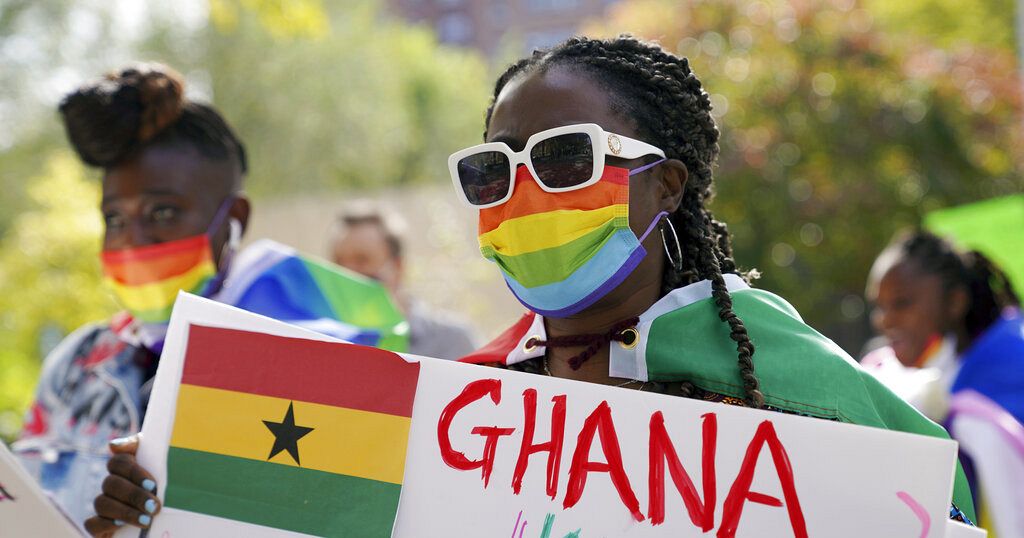
After three years of deliberation, Ghana’s parliament has finally passed the highly contentious Anti-LGBTQ+ bill. This new legislation imposes strict penalties on individuals who identify as LGBTQ+ or are involved in LGBTQ+ advocacy. The bill, which was unanimously approved by lawmakers during the third reading, has sparked widespread concern among human rights activists and LGBTQ+ advocates.
Under the Anti-LGBTQ+ bill, individuals who identify as LGBTQ+ face a prison sentence of up to three years. Additionally, anyone found to be forming or funding LGBTQ+ groups can be sentenced to a maximum of five years in jail. The bill also proposes a harsh penalty of up to 10 years imprisonment for those engaged in LGBTQ+ advocacy campaigns targeting children. These provisions have raised alarm bells among human rights organizations, including Amnesty International, who have warned that the bill poses a significant threat to the fundamental rights and freedoms of LGBTQ+ individuals.
During the parliamentary session, attempts to amend the bill and replace prison sentences with community service and counselling were met with resistance from lawmakers. The Speaker, Alban Bagbin, rejected proposed amendments, signaling the overwhelming support for the bill within the parliament. This pushback against LGBTQ+ rights reflects a broader trend of growing opposition to LGBTQ+ communities in Ghana, a conservative West African nation.
The passage of the Anti-LGBTQ+ bill marks a significant setback for LGBTQ+ rights in Ghana. Activists fear that the new legislation will lead to increased discrimination, persecution, and even witch-hunts against LGBTQ+ individuals and those advocating for their rights. The bill’s provision encouraging the public to report LGBTQ+ community members to authorities for “necessary action” has further fueled concerns about the potential for widespread human rights abuses.
Now that the bill has been approved by parliament, it will be forwarded to President Akufo-Addo for his assent before it can be signed into law. The president, who has previously stated that he would act according to the will of the majority of Ghanaians, is now facing mounting pressure from both international human rights organizations and domestic LGBTQ+ advocates to reject the bill. The potential impact of this legislation on the rights and safety of LGBTQ+ individuals in Ghana cannot be overstated.
As the Anti-LGBTQ+ bill heads to President Akufo-Addo’s desk for approval, the future of LGBTQ+ rights in Ghana hangs in the balance. The passage of this legislation represents a significant challenge to LGBTQ+ communities and their allies in the country, who now face an uncertain and potentially perilous future. It remains to be seen how President Akufo-Addo will respond to the mounting pressure to safeguard the rights and dignity of all Ghanaians, regardless of their sexual orientation or gender identity.
Read Original article on Africa News


