Rédaction Africa Links 24 with Evans Effah
Published on 2024-02-13 08:31:57
The recent surge in attacks on journalists in Ghana has sparked controversy and debate within the media fraternity, with the clash between the Ghana Journalist Association (GJA) and the National Media Commission (NMC) underscoring the broader challenges facing the country’s media landscape.
At an election reporting workshop organized by the GJA and the US Embassy Ghana Elections 2024 Project, GJA President Mr. Ayeboafo expressed concern over the attacks on journalists but cautioned against combating impunity with more impunity. This statement came in response to the GJA’s decision to suspend the press accreditation of Mabel Aku Baneseh, a journalist with the Daily Graphic, for her alleged involvement in a reported fake news publication.
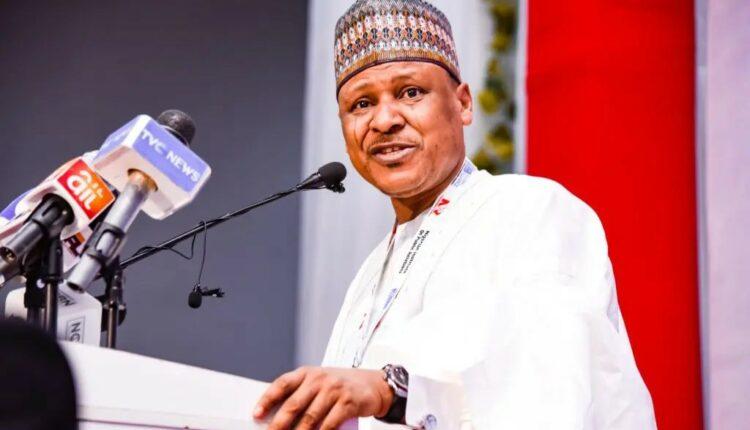
In response to Mr. Ayeboafo’s remarks, NMC Chairman, Mr. Dwumfour, fired back, accusing the GJA President of lacking understanding and empathy towards the plight of journalists. He defended the GJA’s decision, emphasizing that all relevant legal avenues were explored before taking action. “We see this situation as abnormal, and in such cases, you don’t need conventional approaches. You deal with it differently, and that’s precisely what the GJA did,” Mr. Dwumfour asserted, expressing disappointment at Mr. Ayeboafo’s remarks.
The exchange of words between the GJA President and the NMC Chairman has led to criticism within the media fraternity, with some journalists calling for Mr. Ayeboafo’s resignation. Criticism mounted against Mr. Ayeboafo, with accusations of anti-media sentiments and questions raised about his suitability for the role. “How can a Chairman of an Institution supposed to promote press freedom turn against his own people? It means he is not fit for purpose,” remarked Michael Asumani, a senior journalist, reflecting the sentiments of many within the industry.
This clash between the GJA and the NMC highlights the delicate balance between press freedom and accountability in Ghana’s democratic framework. The media landscape in Ghana faces challenges from political pressures, attacks against journalists, and the need for investigative reporting to hold those in power accountable.
In the face of these challenges, media organizations and regulatory bodies are called upon to navigate a fine line between protecting press freedom and ensuring accountability. The clash between the GJA and the NMC serves as a reminder of the complexities and responsibilities involved in upholding the principles of journalism in a democratic society.
It is essential for all stakeholders, including media organizations, regulatory bodies, and government entities, to engage in constructive dialogue and collaboration to address these challenges, protect journalists from attacks, and uphold the democratic values of press freedom and accountability. Only through a collective and unwavering commitment to these principles can the media landscape in Ghana continue to thrive and serve the public interest.
Read Original article on Pulse News