By Africa Links 24
Published on 2024-02-08 13:15:57
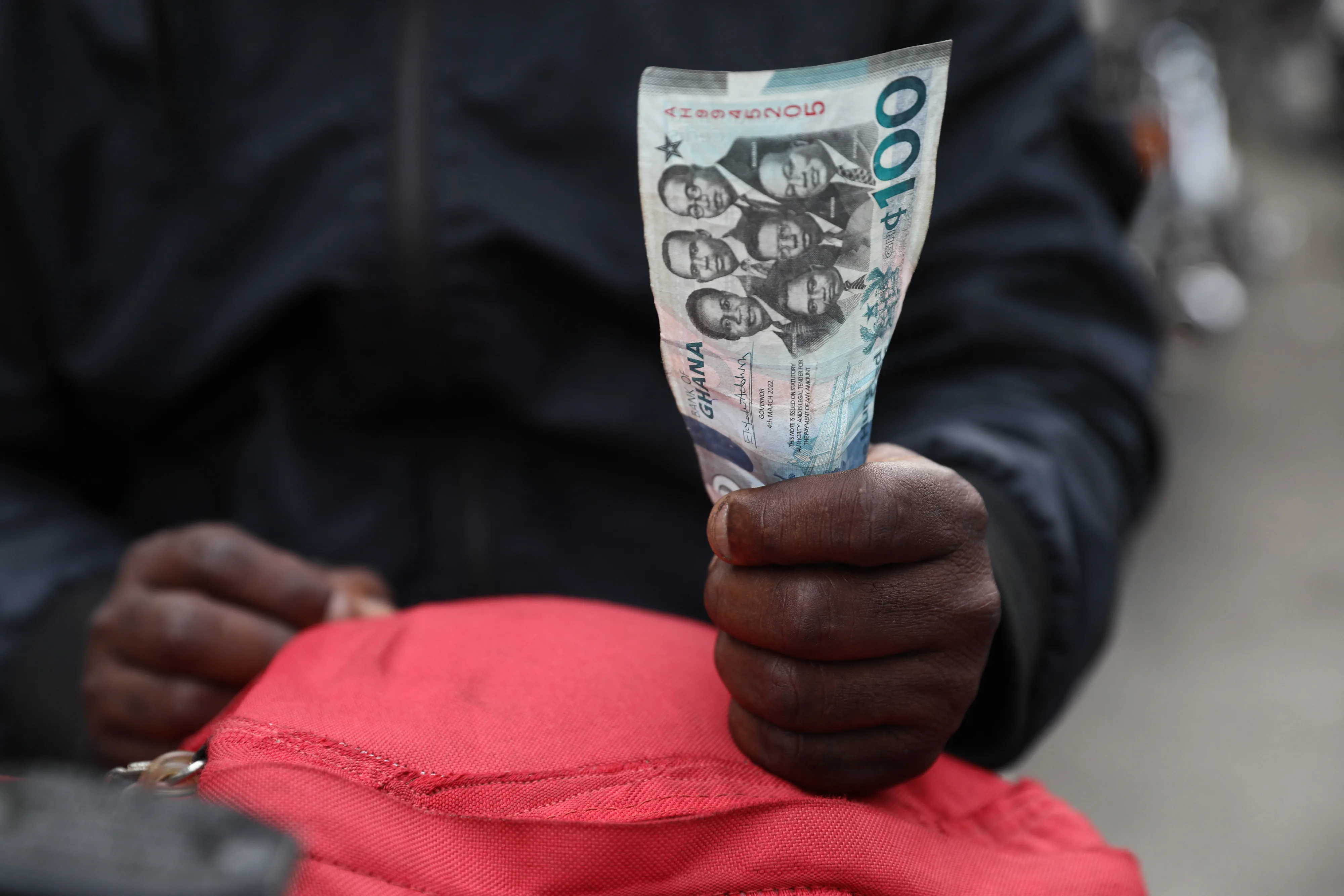
The Ghanaian government faced fierce opposition from trade unions and business owners after announcing plans to impose a 15% tax on electricity, leading to the suspension of the proposed tax. The Ministry of Finance had directed the Electricity Company of Ghana (ECG) and Northern Electricity Distribution Company (NEDCO) to impose the tax on domestic consumers as a means of raising additional funds in the wake of economic challenges brought about by the Covid-19 pandemic.
Ghana’s fiscal deficit in 2022 was reported to be significantly above target at 11.8%, while public debt surpassed 90% of GDP in the same year, according to the World Bank. This economic distress led the government to seek new sources of revenue. However, the proposed electricity tax was met with public outcry due to rising cost of living pressures and shrinking disposable incomes, especially since it came shortly after the implementation of another new tax on the carbon emissions produced by petrol or diesel vehicles.
The Trade Union Congress (TUC) of Ghana planned a strike to protest the tax, with concerns expressed by its deputy general, Joshua Ansah, about the burden on businesses and workers. The government suspended the implementation of the tax in order to engage in further discussions with trade unions, but the proposal has not been completely dropped as of yet.
The US Department of State reported concerns from major international investors in Ghana about the aggressive tax collection policies, and local business owners have also expressed worries that the increasing tax burden could harm their competitiveness. Nadia Takyiwaa-Mensah, an entrepreneur based in Accra, expressed her discomfort with the new tax proposals, stating that it could further damage businesses’ bottom lines and lead to more closures.
Takyiwaa-Mensah explained how the economic challenges faced in 2022 had already led to the closure of many businesses and the impact of the proposed electricity tax could be detrimental for business owners. She highlighted the impact on consumer-based businesses, such as restaurants, where the additional tax would further squeeze both business owners and customers.
The suspension of the proposed tax on electricity highlights the tension between the Ghanaian government’s need for revenue generation and the concerns of the public and business community. The decision to engage in further discussions with trade unions reflects an attempt to balance these competing interests. However, the ultimate outcome remains uncertain as the government weighs the potential economic impact of the proposed tax against the need for additional revenue.